
15 September 2026
Mid-Job Extras on a Harrogate Roof: What Roofers Find Under the Tiles
The quote said £7,800. The final invoice said £9,650. Nobody set out to mislead anybody, and yet that conversation happens on Harrogate driveways most weeks of the year.
It happens here more than it would in a town of 1990s estates. A large share of the housing between the Stray and Harlow Hill went up between about 1890 and 1914, so the structure under the tiles is well past its hundredth birthday even where the covering has been renewed once. Roofers replacing an asbestos cement garage sheet are dealing with a material only banned outright in this country in 1999, so anything on a garage older than that is a question rather than an assumption. And on a typical pre-war re-roof, five to fifteen per cent of the contract value going on unforeseen work is normal rather than exceptional.
None of which makes a surprise bill acceptable. The difference between a fair extra and a stitch-up is almost never the money. It is when you were told, and whether you got to say no.
The moment the price changes is the moment the tiles come off
A roofing quote is priced from the outside of a closed box. Your roofer can see the covering, the ridge line, the flashings and whatever the loft hatch shows. Everything between those two views is guesswork until the scaffold is up and the first course is lifted.
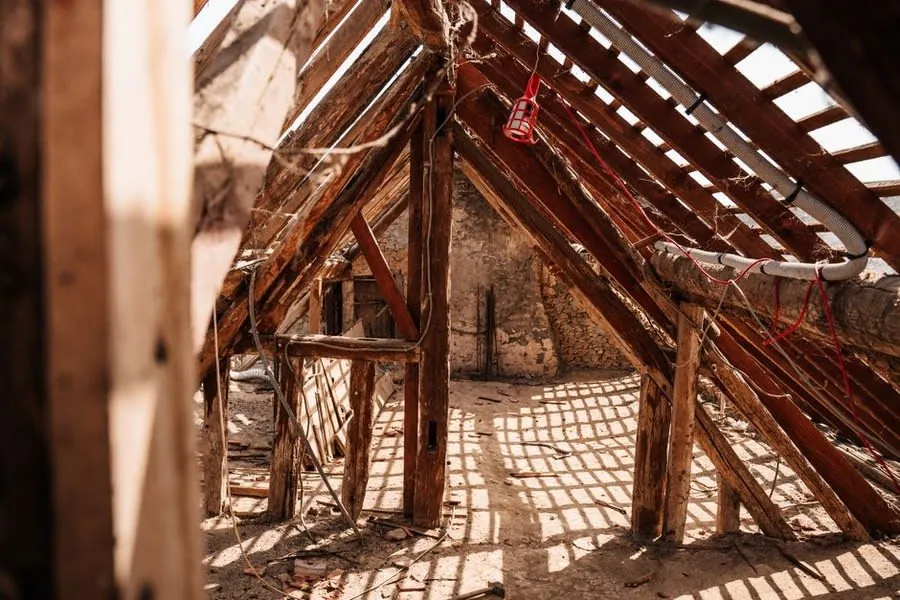
Strip day is therefore the real survey. It is also the worst possible moment to be having a conversation about money, because the roof is open, the weather is doing whatever the Pennines have decided, and everybody involved feels pressure to keep moving. Which is exactly why the rules for handling extras want settling before anyone climbs the ladder. Not on the morning it happens.
Most of what turns up falls into a short list. A full roof replacement on an older Harrogate property will run into some combination of decayed battens, a failed valley, a tired wall plate, a chimney in worse shape than it looked, and occasionally a sheet of something nobody wants to break. The rest of this piece is what each of those costs and which of them your roofer could reasonably have known about first. The base figures they get added to are in our Harrogate new roof price guide.
Battens, torching and the boards under a stone slate roof
Battens are the most common extra by a distance, and the most defensible. A batten is nailed through its top face, so its top face is the part that rots first, and the part nobody can inspect without lifting the tile that sits on it. From the loft you are looking at the underside, which can appear perfectly sound while the top is soft enough to take a thumbnail.
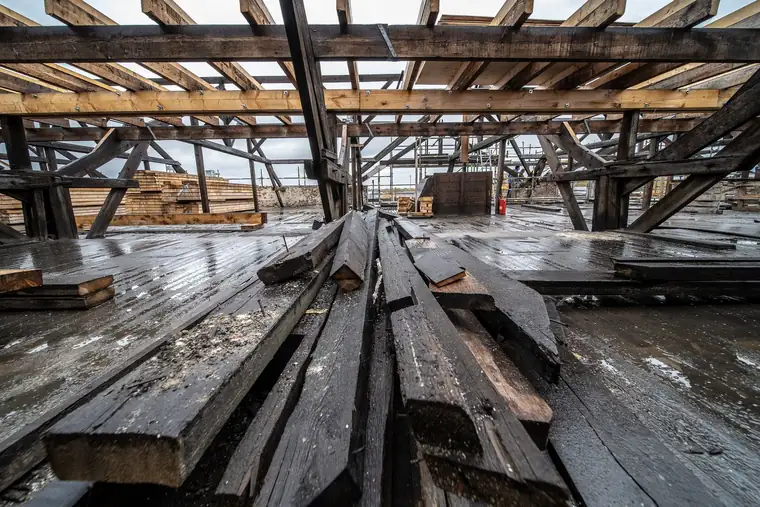
The trigger for a re-batten is usually the nail rather than the timber. Once the fixings have corroded and the batten will not hold a new nail, the slope has to be re-battened whether or not the wood looks presentable. Current practice also expects graded battens meeting BS 5534, which older roofs frequently do not have, so what began as a patch tends to become a slope. Budget roughly £12 to £20 per square metre supplied and fixed, which on one elevation of a three-bed semi lands somewhere around £400 to £700.
Stone slate roofs up the Nidderdale side of the district carry their own version of this. Many were built with torching, a lime mortar bedding worked into the underside of the slates from inside the roof space, and once that has crumbled away the slates are effectively loose. Some have boarding rather than open battens, and replacing decayed boards runs nearer £25 to £40 per square metre. Our guide to the felt and batten layers under a Harrogate roof goes through how those layers are meant to work.
Valley boards, wall plates and a roof that has quietly spread
These are the finds that turn a re-cover into a repair, and they are the expensive end of the list, so they are worth knowing about before somebody says them to you on a driveway.
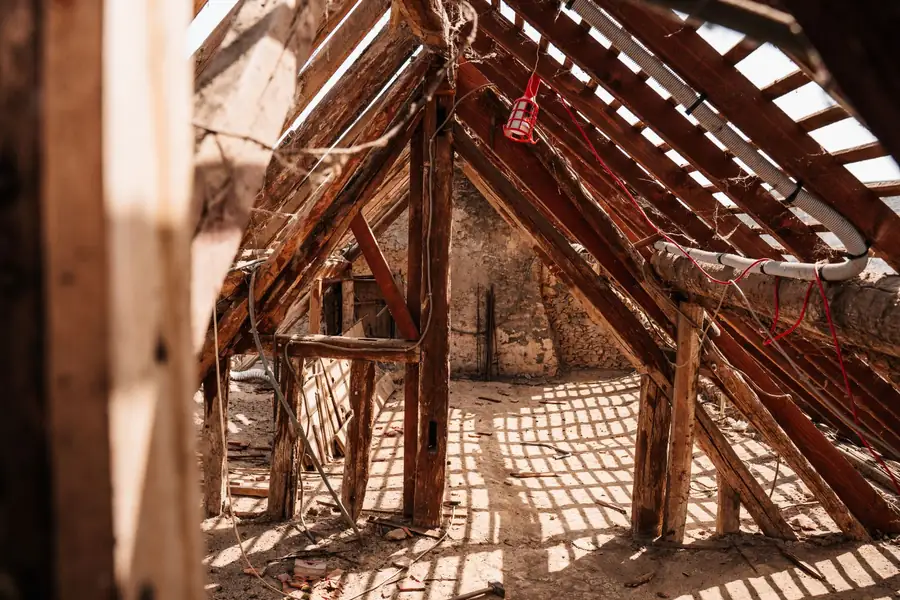
A valley board is the timber gutter bed that a lead or GRP valley sits on. Lead lasts a long time; the board underneath it does not, particularly where a valley has been holding debris for a decade. Once the lead comes out and the board is soft, it has to be renewed, and the lead almost always has to be replaced rather than refitted. Expect £600 to £1,200 per valley including new lead, more on the deep double valleys you find on the larger Victorian villas.
The wall plate is the horizontal timber laid along the top of the wall that every rafter foot sits on. It is completely invisible until the eaves are opened up, and it decays where guttering has been overflowing onto it for years. A short section renewal is £400 to £800. A full plate down one elevation, with the rafter feet needing support while it is done, is closer to £1,200 to £2,000.
Roof spread is the one that stops the job. Rafters push outwards at the foot, and what stops them is the ceiling joists acting as ties across the building. Cut those ties for a loft conversion, a water tank platform or a bit of storage, and the roof slowly pushes the tops of the walls apart. You see it as a dipped ridge and a bulge in the gable. Remedial work means new ties, steel straps or in bad cases a structural engineer, and it starts around £900 and rises fast. This is the point where building control gets involved, since the work engages the structural requirements set out in the government’s Approved Document A on structure.
The chimney that looked fine from the pavement
A chimney stack is judged from ground level with binoculars, from a neighbour’s upstairs window if you are lucky, and properly only once there is a scaffold next to it. Those three views can tell very different stories.
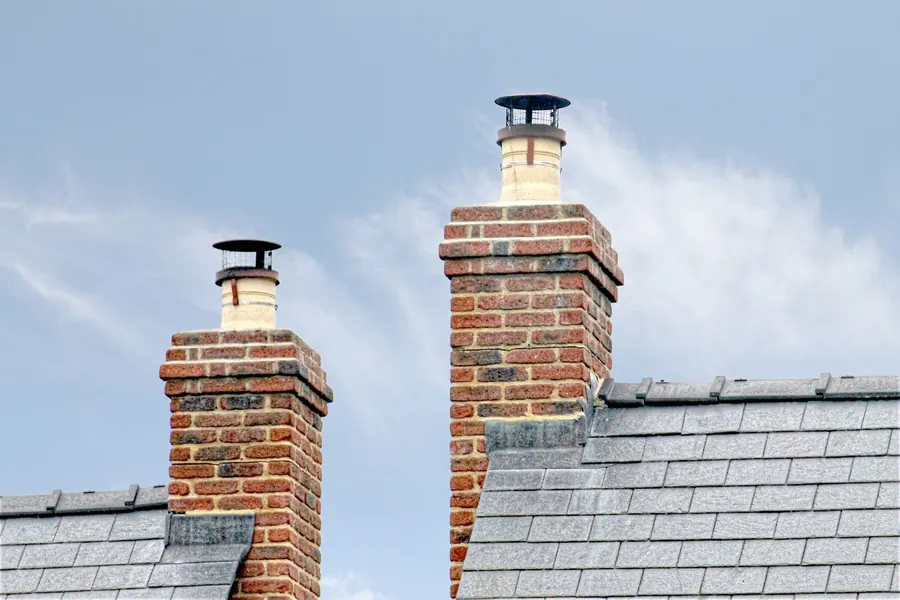
What usually happens is that a stack quoted for repointing turns out to need rebuilding above the roof line. Frost has got into the mortar, the brick faces have blown, and pointing a wall whose bricks are delaminating is money thrown away. Rebuilding above the flashing typically runs £800 to £2,000 depending on height and how many pots are involved. The gap between that and the £200 or so you had mentally allocated for pointing is a real shock. It is also unavoidable, once the scaffold shows you what the pavement could not.
The saving grace is that this is the cheapest moment in twenty years to do it. The access is already paid for. Turning it down means paying for a scaffold again later, which is the same arithmetic that makes splitting a re-roof into phases cost more than doing it in one go. Ask for photographs from the scaffold before you decide, and ask what happens to the guarantee on the surrounding slope if the stack is left as it is.
Asbestos under the garage sheet
This one is not really a pricing problem. It is a legal one.
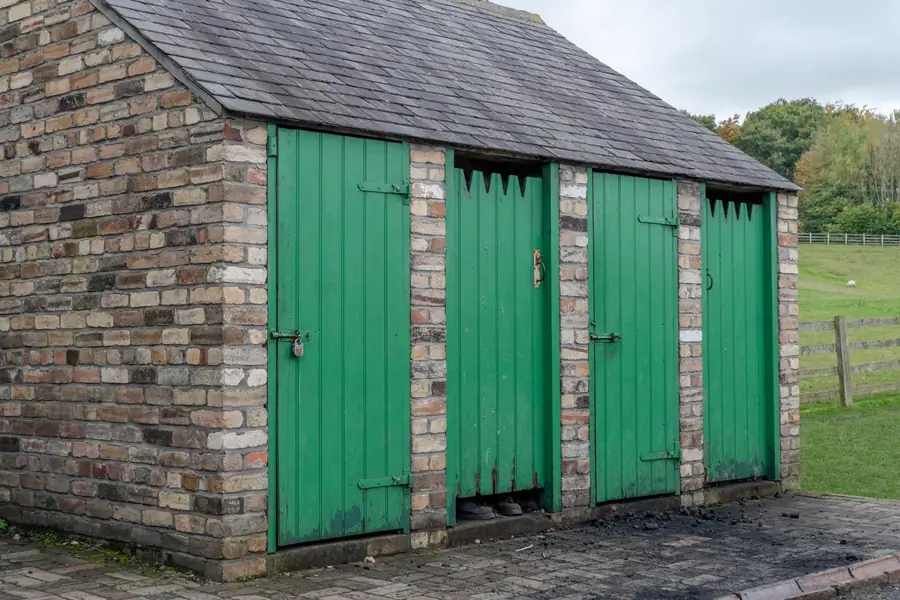
Corrugated cement sheet on a garage, lean-to or old coal store predating 1999 should be treated as asbestos containing until tested. Most of it is non-licensed work, which means a competent contractor can remove it without a licence, but they still need training, the right method and a proper waste route. Nobody should be breaking it up with a hammer and putting it in a builder’s skip. The HSE’s guidance on when a licensed asbestos contractor is required sets out where the line sits.
As an extra it typically adds £450 to £900 for removal and disposal on a single garage, and £1,100 to £2,200 if the roof is being replaced at the same time. If a roofer discovers it mid-job the honest answer is that work stops on that element until it is dealt with properly, and a firm that shrugs and carries on is telling you something about how they treat the rest of the job. We have covered spotting an asbestos garage roof in Harrogate and what removal involves in more detail.
Provisional sums: the honest way to price what nobody can see
There is a proper mechanism for all of this, borrowed from commercial building work, and the better domestic firms use it.
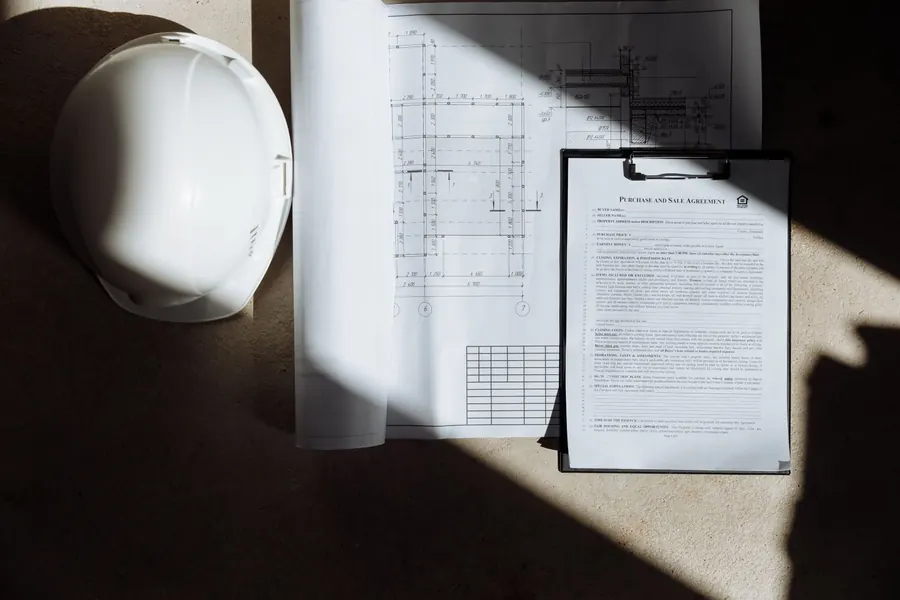
A provisional sum is a named allowance for work that is likely but not yet measurable. On a roofing quote it reads something like: allow £600 for replacement of decayed battens and timber, adjusted against actual quantities on completion. It works because the number is visible before you sign, so your budget is honest from the start. Unused money comes back as a credit rather than quietly staying in the price. And when the allowance runs out, the roofer has to stop and ask rather than keep spending.
What you want to see priced this way is decayed timber, chimney work beyond pointing, and lead replacement at valleys and abutments. What should never be a provisional sum is anything measurable from the ground: scaffold, skips, the tile count, the ridge. If a quote has a large unexplained contingency covering the whole job, that is not a provisional sum, it is a blank cheque with a polite name.
Ask for the sums to be listed as separate lines with their own figures, and ask what rate the work will be charged at if it is used. A roofer who has thought about this will have an answer ready. TrustMark’s advice for homeowners hiring a tradesperson is worth a look on the same point, because the habit tends to travel with the rest of a firm’s paperwork.
What a decent survey should have caught, and what it could not
Not every extra is forgivable. The line is roughly this: if it could be seen without dismantling anything, it should have been in the quote.
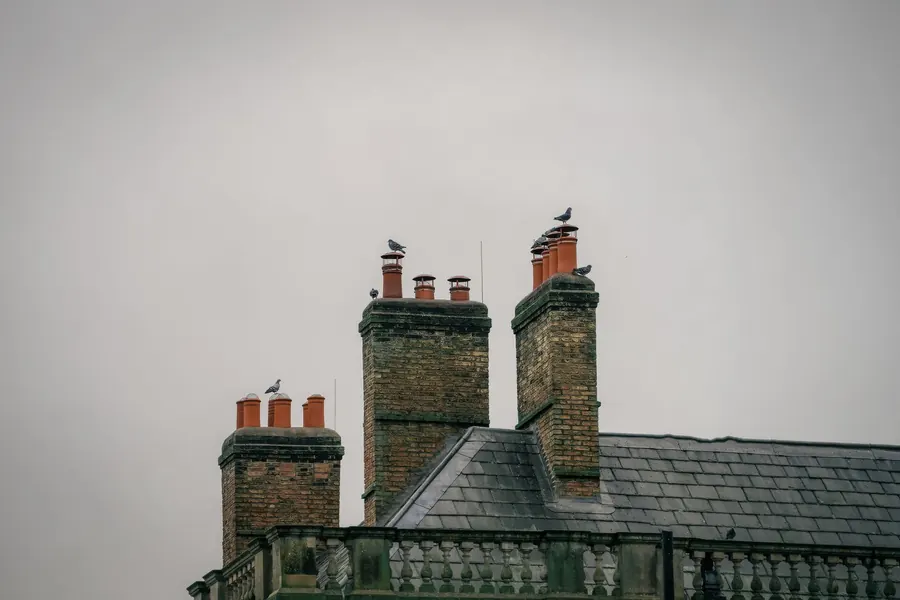
Foreseeable, and therefore the roofer’s problem: the general condition and sag of the rafters, a dipped ridge, cut ceiling ties, staining and daylight around a chimney breast, obvious previous patching, gutters that have plainly been overflowing for years, and the presence of a cement sheet garage roof. All of that is available from a ladder, a loft hatch and twenty minutes of attention.
Not foreseeable, and therefore fairly charged as an extra: the top face of any batten, the condition of a wall plate buried behind masonry, the state of a valley board under sound lead, mortar failure inside a stack, and what is under a bedded ridge until it comes off. A roofer is not being evasive about these. They are physically not visible.
So make the survey earn its keep before you sign anything. A firm that opens the loft hatch, takes photographs and tells you which items it has priced as allowances is not the firm that will invent surprises later. Our guide to what a Harrogate roof survey covers sets out what a proper inspection includes, and what it cannot reach.
How an extra should be agreed, priced and written down
The process matters more than the price. Get this right and the money looks after itself.

Ask for four things before anything is done. Photographs of the problem taken from the scaffold, not a description over the phone. A written description of what is being added and what it replaces. A price, or a rate and an estimated quantity where the price depends on how far the problem runs. And a note of whether it moves the completion date, because a fortnight’s extra scaffold hire is a cost of its own.
Then reply in writing. A text message or an email saying yes, go ahead with the wall plate at the price you quoted is enough, and it is the single most useful thing you can do for yourself on a job like this. Verbal agreements on scaffolds are remembered differently by the two people standing on them. Citizens Advice’s guidance on what to agree before building work starts is a sensible checklist for setting this up at the outset.
Keep the extras off the deposit and the staged payments too, which is a separate discipline we have set out in the guide to paying for a new roof in Harrogate. They should appear as separate lines on the final account, priced as agreed, with any unused provisional sums credited back. If the final invoice shows a single lump for additional works with no breakdown, ask for the breakdown before you pay. The roofing disputes that end up going somewhere unpleasant nearly always start the same way, with somebody deciding a conversation could wait until the end.
Frequently Asked Questions
Can a roofer increase the price once the job has started?
Only for work that sits outside what you agreed, and only if you say yes to it first. The original figure covers the original scope. If the battens turn out to be rotten and re-battening was not in the quote, that is new work and it costs new money, which is entirely legitimate. What is not legitimate is finding out about it on the final invoice. Under the Consumer Rights Act 2015 a price you never agreed to has to be a reasonable one, and arguing about what counts as reasonable after the event is a poor substitute for a text message sent before the work was done.
What is a provisional sum on a roofing quote?
It is a money allowance for work the roofer knows might be needed but cannot measure until the covering is off. A typical one on a Harrogate re-roof reads something like allow £600 for replacement of decayed timber, to be adjusted against actual quantities on completion. The point is that the ceiling is visible from day one. If none of it gets used you should be credited the whole amount, and if it runs out the roofer has to come back to you before spending more.
How much do mid-job extras usually add to a roof replacement?
On a pre-war Harrogate house with no prior survey of the timbers, five to fifteen per cent of the contract value is a fair expectation, and it is worth holding that back in your own budget rather than spending it. Houses built after about 1965 tend to come in lower because the roof structure is younger and the covering has usually been off once already. The figure climbs sharply on anything with a chimney in poor condition or a stone slate covering, where the extras are structural rather than cosmetic.
What should a roofer have spotted before quoting?
Anything visible from a ladder, a loft hatch or the pavement with binoculars. That includes the general state of the rafters, a sagging ridge line, staining around a chimney, previous patch repairs, and whether ceiling ties have been cut about for a loft conversion. A firm that quoted from Google Street View and never opened your loft hatch has less standing to be surprised. What nobody can see is the top face of a batten, the condition of a wall plate buried in masonry, or what is happening inside a chimney breast.
Do I have to pay for an extra I did not agree to?
Not automatically. If the work had to be done and you would plainly have said yes, most people pay and most disputes settle there. If it was done without asking and you would have chosen differently, raise it in writing straight away, before you settle the balance, and ask for the evidence that made it necessary. Citizens Advice sets out the route for problems with home improvement work, and a written record of what was and was not agreed is the thing that decides it.