
22 October 2026
Roofers In Thirsk And Easingwold: Roof Costs, Pantiles, Vale Frosts And Article 4 Rules
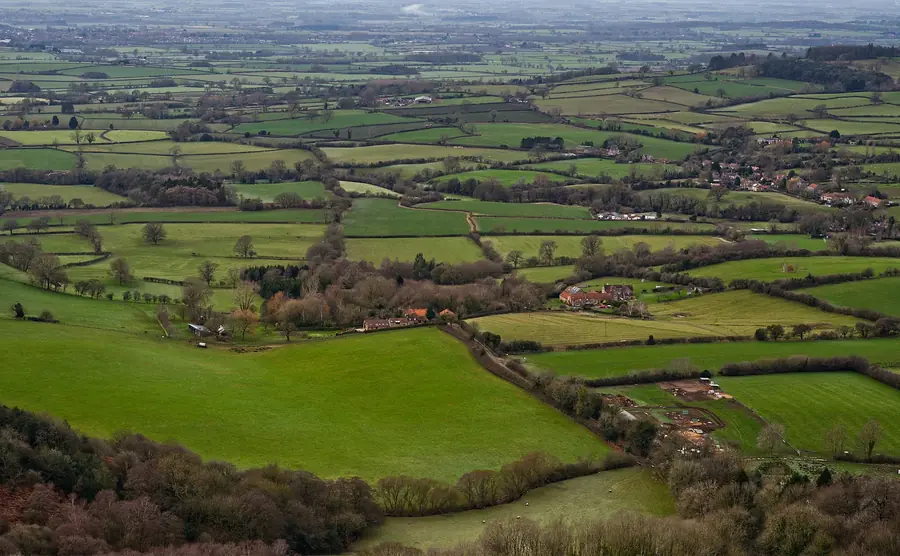
Thirsk and Easingwold get less rain than almost anywhere else in the north of England. The Met Office station at Topcliffe, a few miles south-west of Thirsk, averages about 647mm a year, against a UK figure of roughly 1,163mm. A dry vale is not a gentle one for a roof, though. Topcliffe also records around 67 air frosts a year, and frost is what finishes off old clay pantiles. Anyone looking for roofers in Thirsk or Easingwold is dealing with that mix: low rainfall, hard frosts, flat open farmland for the wind to cross, and two Georgian market towns whose conservation areas were drawn up in the early 1970s. Below we set out what roof work costs across both towns in 2026, the materials you are likely to find on your house, and the planning rules, which are tighter here than most owners realise.
What roofers in Thirsk and Easingwold charge in 2026
From our base in Harrogate, Thirsk is a straight run up the A61 through Ripon and Easingwold is a similar distance across the Vale, so we price both towns much as we would a job at home.
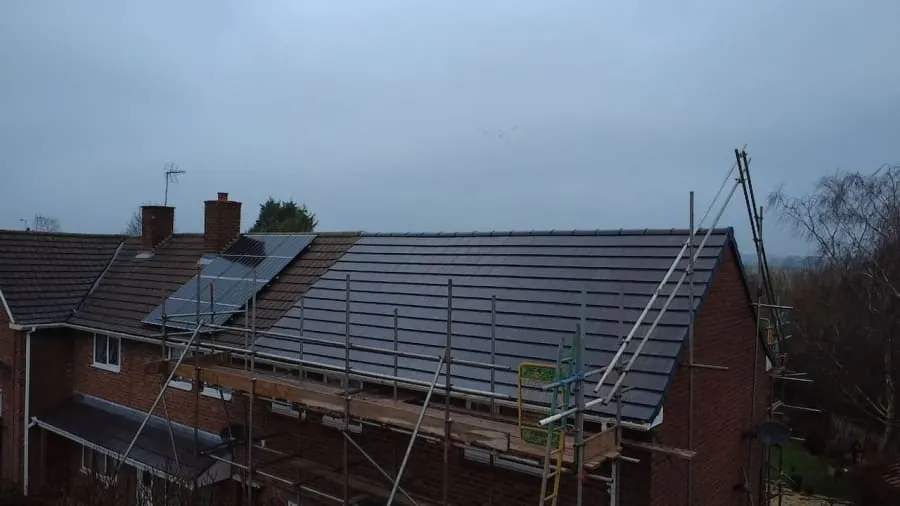
These are guide prices for typical houses, including VAT, and they assume the timbers underneath are sound:
| Job | Typical 2026 price |
|---|---|
| Re-fixing a handful of slipped pantiles or slates | £150 - £400 |
| Re-bedding a ridge, or converting it to a dry ridge system | £450 - £1,000 |
| Repointing a chimney and renewing its lead flashing | £650 - £1,600 |
| Re-roofing a 1970s to 2000s semi in concrete interlocking tiles | £5,000 - £8,500 |
| Re-roofing a pantile cottage with matched reclaimed tiles | £7,500 - £13,000 |
| Re-slating a Georgian or Victorian house in Welsh slate | £9,000 - £16,000 |
| Scaffolding for a typical house | £700 - £1,500 |
What pushes a job above these bands? Usually tile matching on an older pantile roof, which we come to below. A frontage on Thirsk’s Market Place or Easingwold’s Long Street adds cost too, because the scaffold stands on the pavement and needs a licence from North Yorkshire Council as highway authority. And sometimes the battens or rafters turn out to be rotten once the old covering is off. Nobody can price that until they see it. If you only need a few tiles put back, our roof repairs page explains how we handle small jobs, and a full roof replacement is quoted after a survey, never from a photo.
Dry summers, hard frosts: what the Vale’s weather does to a roof
The Met Office’s long-term averages for Topcliffe give the numbers for 1991 to 2020: 647mm of rain on about 122 days a year, and roughly 67 days with an air frost.
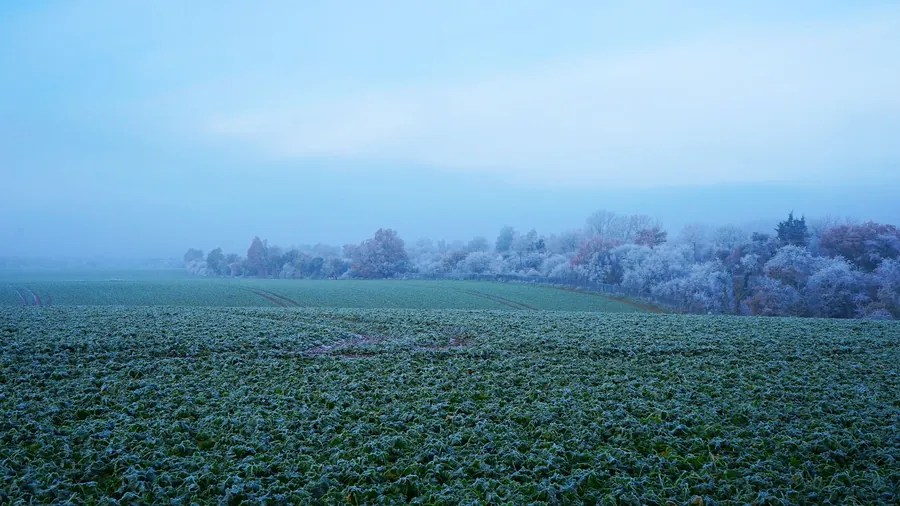
Low rainfall sounds like good news, and in one way it is: roofs in the Vale grow lichen more than the thick moss we deal with in wetter parts of the district. The frosts are the problem. Older clay tiles are softer and more porous than modern ones. Water soaks into them during a wet spell, freezes overnight, and over the years the face of the tile flakes away. Lime mortar at the verges and ridge loosens the same way. A pantile roof that looks fine from the street can have dozens of tiles with their faces gone. You only see it from the scaffold.
Wind is the other factor. The Vale of Mowbray and the Vale of York are wide, flat and mostly open fields, with the Pennines far off to the west and the Hambleton and Howardian Hills to the east. A westerly gale has miles of open ground to build up speed before it reaches a farmhouse or a row of cottages. Verges and ridges take the brunt, and they are the first things we check after a storm.
Orange pantiles, stone ridges and soft local brick
Walk round Easingwold and the roofs are mostly one thing. The council’s conservation area appraisal describes the most common roof in the town as a simple pitched roof covered in orange pantiles, many of them finished with stone ridge pieces, sitting on walls of soft orange brick made from the town’s own clay in 19th-century kilns.
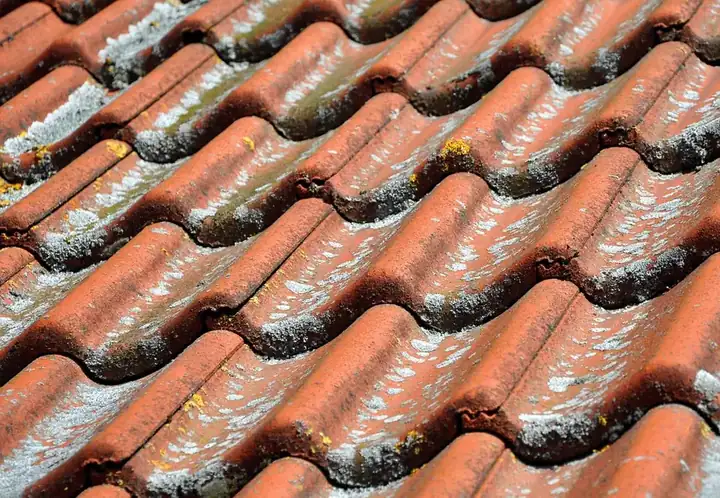
Thirsk is much the same. The Thirsk and Sowerby conservation area appraisal calls clay pantiles the most popular roof covering in the town, and it makes a point that matters on every job here. Before mass production, each tile works pressed its own pantiles in its own mould, so curves and sizes varied. Reclaimed pantiles gathered from several sources will not sit together properly, and a roof laid with them leaks at the laps.
In practice that means a re-roof starts with careful stripping. Every sound tile is set aside, the batch is kept together and relaid on the slope people see from the street, and any shortfall is made up on the back. Old pantile roofs often had no underlay at all, sometimes just lime torching on the underside, so a re-roof is also the chance to add a breathable membrane and proper ventilation. We looked at a similar brick-and-pantile town in our guide to roofers in Boroughbridge, where matching old tiles is the same headache.
Green slate on the Market Place, Welsh slate in Sowerby
Not every roof in the two towns is pantiled, and the exceptions cost more to look after. Thirsk Hall on Kirkgate and the buildings in the middle of Thirsk’s Market Place are roofed in Westmorland green slate, laid in diminishing courses. The appraisal describes it as an expensive, high-status material, used for wealthy owners.
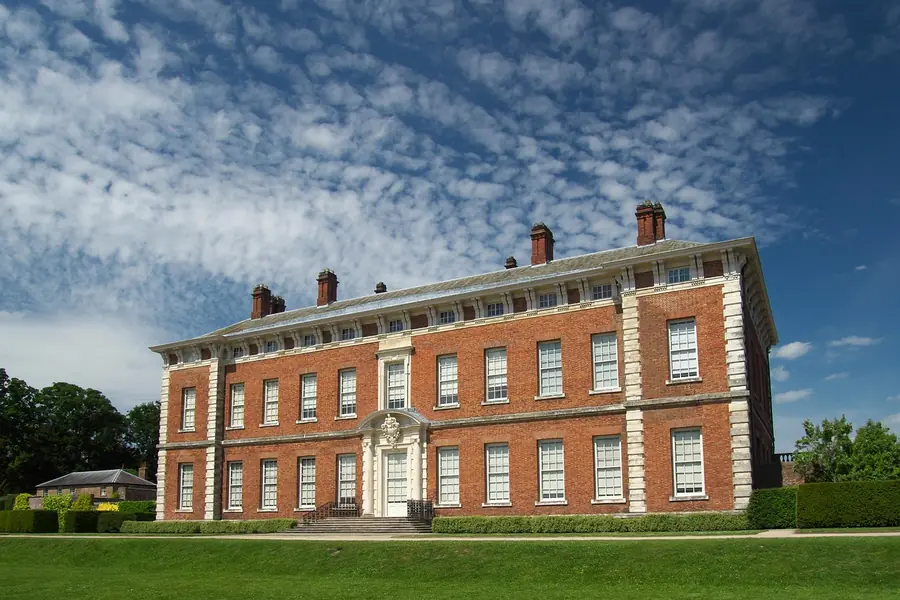
Welsh grey slate reached Thirsk with the railways in the mid-19th century and became the main alternative to pantiles. Good runs of it survive across Sowerby Town End and on the Catholic church on Castlegate. Easingwold has its own oddities too: green slate on the building at the corner of the Market Place and Crabmill Lane, and a single stone slate roof on Longley House on Long Street. In Thirsk, 10 to 12 Kirkgate keeps pantiles over two eaves courses of stone slate, a detail you normally see nearer the Pennines or the North York Moors.
Diminishing courses take more time to repair than evenly sized slate. The longest slates sit at the eaves and each course gets shorter towards the ridge, so a re-slate means recording the gauge, sorting every slate by length and buying in matching sizes. Green slate also costs a good deal more than Welsh. Both appraisals say plainly that concrete tiles put on older buildings were the wrong choice and should be swapped for a traditional material when the roof next needs work. Our slate roofs page goes into the repair side in more detail.
Vale farmhouses: slate on the house, pantiles on the range
Out of town the pattern changes again. Thirsk Lodge Farmhouse on Newsham Road, a listed building, is a good example of what you find across the Vale: brown brick walls, slate on the main house, pantiles on the lower wing, and a pantiled outbuilding alongside with a rounded end.
The grander roof went on the house and the cheaper, local one on the working buildings, and many farmsteads still show that split. Converted ranges and barns bring their own jobs. Long, low pantile roofs sag where the purlins have moved, roof lights added during a conversion leak at the flashings, and later sheds often carry asbestos cement sheeting that has to be handled by the book. Old farm buildings are also prime places for bats, which are protected, so a survey may be needed before a roof is stripped.
Exposure matters more out here than in town. An isolated farmhouse in open fields has nothing to shelter it, so we fix every tile mechanically on a re-roof rather than relying on weight and old mortar alone.
Sowerby Gateway and the newer estates
At the other end of the age scale, Sowerby Gateway on the southern edge of Thirsk was granted planning permission in 2012 for around 1,000 homes. That is a lot of identical roofs, all reaching middle age at roughly the same time.
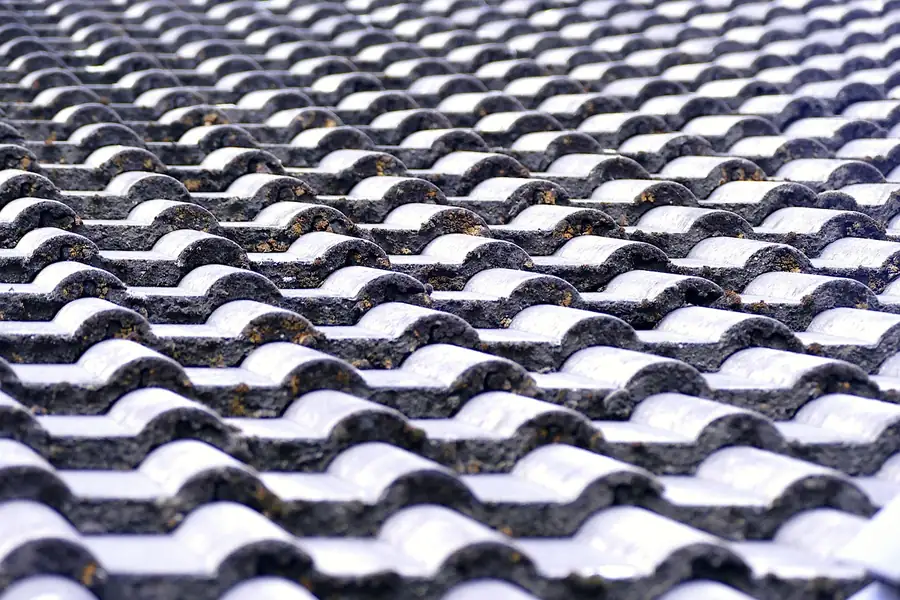
Newer houses in both towns are usually covered in concrete interlocking tiles with dry-fixed ridges and verges, plastic fascias and factory-made trusses. They are quicker to fix than a 200-year-old pantile roof, but they have weak points. Dry verge caps crack and lift in strong winds, ridge clips work loose, and poorly ventilated lofts collect condensation. If your house is still within its first few years, check the warranty paperwork before paying anyone, because the builder may be responsible. Our article on new-build roof problems explains what to look for and who pays.
Who grants planning, and what the Article 4 rules cover
Hambleton District Council used to deal with both towns. It was abolished at the end of March 2023, and since 1 April 2023 planning, conservation and building control have been run by North Yorkshire Council.
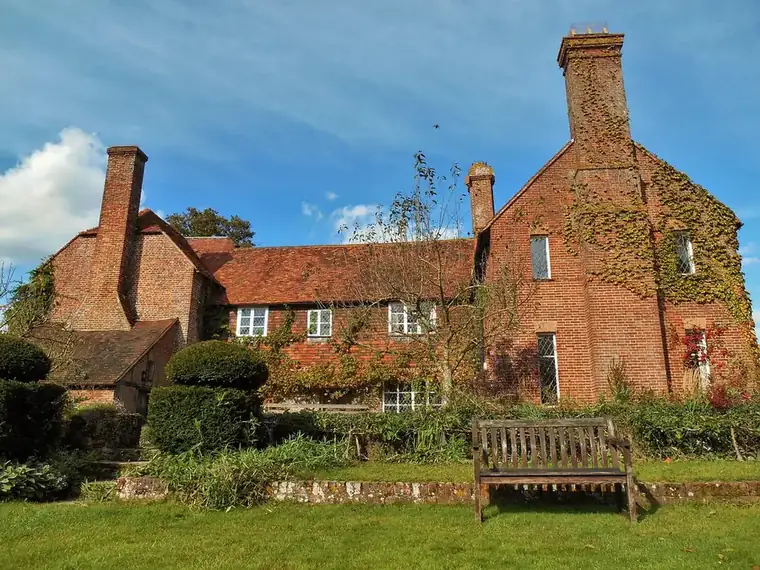
Each town has a conservation area. Thirsk and Sowerby’s was designated on 12 August 1971 and extended in 1990 to take in the Town End terraces at Sowerby and more of Long Street. Easingwold’s dates from March 1972 and was amended in October 1990. On top of that sit several Article 4 directions, which remove the usual permitted development rights. The council’s list of Hambleton-area conservation areas and Article 4 directions has the full wording and boundary maps.
In Easingwold, a 2013 direction means houses fronting a highway, waterway or public open space need permission for work to the front roof slope covering, the chimney, roof lights on the front slope, gutters and downpipes, and solar panels. Thirsk and Sowerby’s 2003 direction covers a similar list, a further direction in 2012 added solar panels, and there are separate directions for East Thirsk and Sowerby village. Repairs in matching materials are not normally development. Changing the material is, so swapping pantiles for concrete tiles or slate for anything else on a covered slope needs consent first. Listed buildings need listed building consent for any change to the roof at all.
When you are ready, book a free roof survey in Thirsk or Easingwold. We will check the covering, the timbers and the planning position before we price anything.
Frequently Asked Questions
Who deals with planning and building control for roof work in Thirsk and Easingwold?
North Yorkshire Council. Hambleton District Council, which used to cover both towns, was abolished at the end of March 2023 and the new unitary council took over its planning, conservation and building control work on 1 April 2023. Older leaflets and appraisals still carry Hambleton’s name and phone numbers, but applications now go to North Yorkshire Council.
Do I need planning permission to re-roof a house in Easingwold’s conservation area?
It depends on where the house sits. A 2013 Article 4 direction means houses fronting a highway, waterway or public open space need permission for work to the front roof slope, the chimney, roof lights on the front slope, rainwater goods and solar panels. Repairs in matching materials are not normally treated as development, but changing the covering, for example pantiles to concrete tiles, needs consent. A listed building needs listed building consent for any change to its roof.
Can the old pantiles go back on when a Thirsk or Easingwold roof is replaced?
Often, yes. Older handmade pantiles vary in curve and size because each tile works used its own mould, so the sound ones should be lifted carefully, kept together and relaid as a group, usually on the slope people see from the street. Mixing reclaimed pantiles from several sources makes a roof hard to lay well, so any shortfall is better made up on the rear slope.
How much does a new roof cost in Thirsk or Easingwold?
As a 2026 guide, re-roofing a 1970s to 2000s semi in concrete interlocking tiles runs about £5,000 to £8,500. A pantile cottage relaid with matched reclaimed tiles is nearer £7,500 to £13,000, and re-slating a Georgian or Victorian house in Welsh slate about £9,000 to £16,000. Scaffolding is usually another £700 to £1,500, and more for a town-centre frontage over a pavement.