
31 August 2026
New-Build Roof Problems in Harrogate: Snagging, Warranties and What to Check Before Year Two
Harrogate has built a lot of houses lately. The estates that have grown up on the Kingsley side of town, and the new streets pushing out from the edges of Knaresborough and Ripon, have added thousands of roofs to the district in barely a decade. And a steady trickle of their owners now ring roofing firms like ours, slightly embarrassed, asking why a roof that is three winters old is doing things their old Victorian terrace never did. The embarrassment is misplaced. New-build roofs fail in their own particular ways, the faults are well known in the trade, and there is a warranty system that will pay for the fixes, but only for owners who know what to look for and, crucially, when the clock runs out.
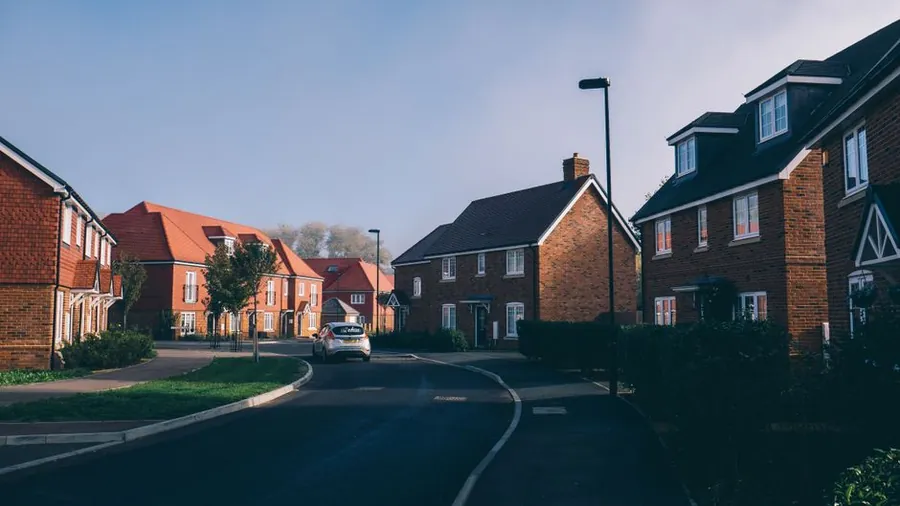
Why a brand-new roof goes wrong at all
It sounds absurd that a roof assembled to modern standards, inspected during construction and covered by a ten-year warranty should leak before a 120-year-old slate roof three streets away. But the reasons are structural to how estates get built, not bad luck.
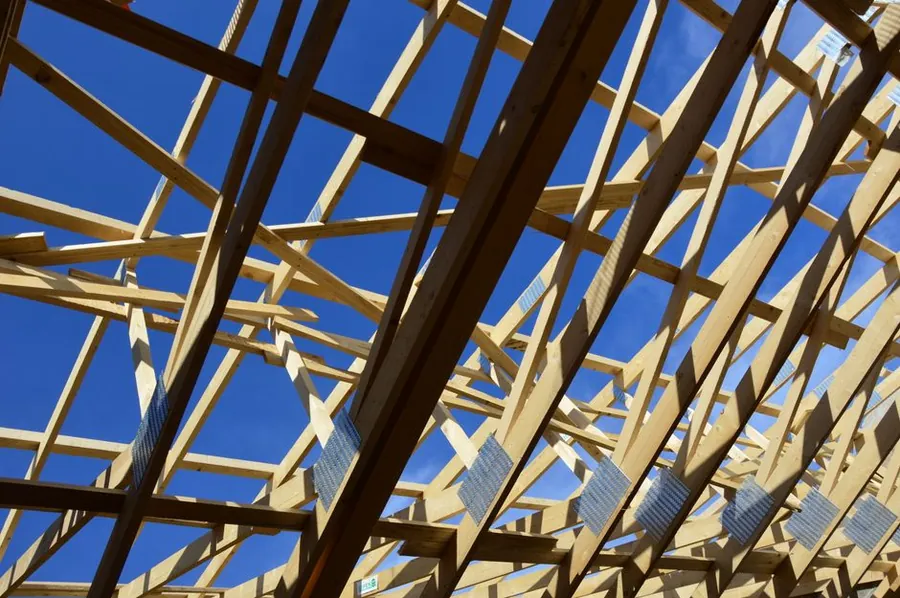
Volume housebuilding runs on programme. Roofs are felted, battened and tiled to a schedule set months earlier, in whatever weather North Yorkshire serves up that week, by gangs paid per plot rather than per hour. Most of the work is done well. But the details that take longest - clipping tiles at verges and eaves, dressing lead properly around chimneys and abutments, lapping the underlay so wind-driven rain cannot track sideways - are exactly the details that vanish first when a site is behind schedule. None of them shows from the ground on handover day. All of them show after a couple of Pennine-edge winters, which is when roof repairs on supposedly new houses start appearing in our diary.
Add the exposure factor. Plenty of Harrogate’s new development sits on former farmland at the edge of town, where there are no mature trees or older buildings to break the wind. A tile specification that would be fine in a sheltered street can be marginal on an open ridge line, and the gap between fine and marginal is precisely the mechanical fixings that a rushed gang leaves out.
The faults we find most on estates built since 2015
A pattern has emerged across the new-build roof call-outs we attend, and it is remarkably consistent from one development to the next.

Mortar is the serial offender. Current British Standards require ridge and hip tiles to be mechanically fixed rather than relying on mortar alone, and most modern estates use dry-fix systems that comply. But mortar still gets used at verges and as bedding on some designs, and site-mixed mortar applied in cold or wet weather cures badly. It cracks, debonds and drops out in sections, sometimes within two or three years. Based on the jobs we handle, autumn call-outs to estates built in the last decade are dominated by exactly this: loose verge mortar and the odd ridge tile moving in wind.
The rest of the list: tiles unclipped where the fixing schedule said they should be clipped, which announces itself as chattering in gales and eventually as a tile in the garden. Flashings dressed short, or worse, mastic used where lead should be, which holds for a few summers and then does not. Underlay pulled tight instead of draped, so water that gets under the tiles ponds against battens instead of draining to the gutter. And plumbing vents or flues that were never properly weathered where they pass through the covering. Individually small, all of them. Left alone, each one is how a £150 fix becomes a soaked ceiling.
Condensation: the leak that is not a leak
The single most common new-build roof complaint is water where water should not be, with no hole anywhere in the roof.
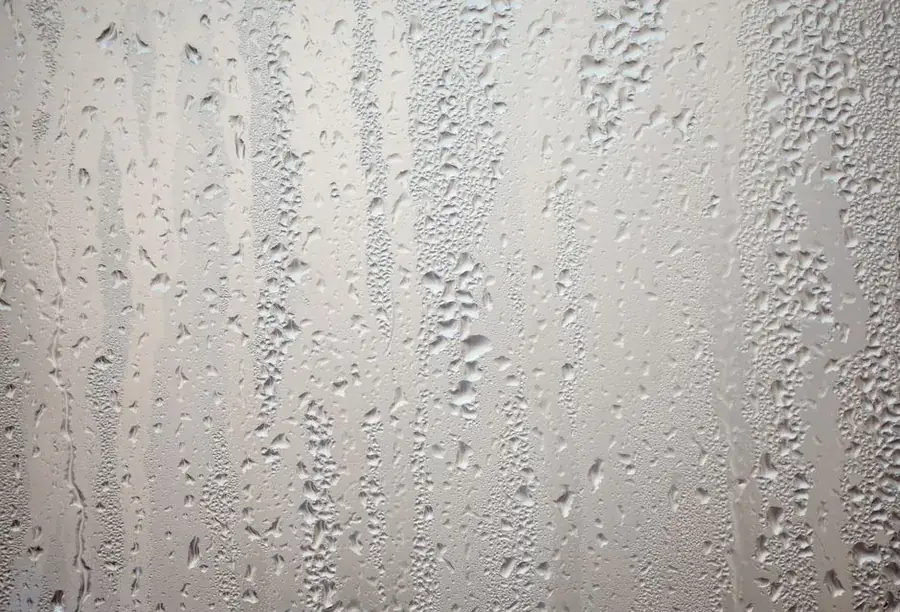
A new house is wet when you move in. The plaster, screed and timber hold litres of construction moisture that takes a year or more to dry out, and modern homes are sealed far more tightly than anything built last century. All that vapour rises, finds the cold underside of the roof membrane on a frosty Harrogate night, and condenses. If the loft ventilation is adequate, it clears. If the eaves vents were blocked by insulation stuffed too far into the corners, or the ridge ventilation specified on the drawings never made it onto the roof, it does not clear. It drips onto the insulation, spots the ceilings, and gets reported as a leak.
The distinction matters because the fix is completely different and so is the argument with the builder. We covered the mechanics in our guide to loft condensation and roof ventilation in Harrogate homes, and the short version for new-build owners is this: moisture that appears in cold snaps, evenly across the loft, with no staining on the underside of the membrane after dry weather, is condensation. It is also a defect when the ventilation is missing or blocked - one the builder should put right, not one you should manage with a dehumidifier forever.
Your first two years: the builder owes you the fixes
New-build cover comes in two very different halves, and the first half is by far the more useful one.

For two years from legal completion, the builder is responsible for fixing defects in the way the home was built. That is the period that covers roof snagging: the loose verge mortar, the unclipped tiles, the blocked ventilation, the short flashings. The mechanism is simple: report it to the builder in writing, keep copies, photograph everything with dates. Providers publish plain guidance for owners on how it works, including NHBC’s homeowner pages, which apply to the large share of new homes carrying their Buildmark cover.
Where builders drag their feet, the escalation routes have improved. Developers registered with the New Homes Quality Board sign up to a code with teeth, and complaints about their homes can go to the New Homes Ombudsman Service when the builder’s own process stalls. The paper trail is everything here. A roof defect reported in writing at month 20 is the builder’s problem. The same defect first mentioned at month 30 becomes a debate about whether it existed earlier, and you will not win that debate without dated evidence.
Years three to ten: narrower than the brochure implied
After the two-year point, the builder steps back and the structural warranty steps forward. This is where expectations need adjusting.

Policies such as Buildmark cover years three to ten as insurance against physical damage caused by defects in specified parts of the home, and the roof is on that list. But three restrictions do a lot of work. There is a minimum claim value, so modest repairs fall below the threshold. The damage must stem from a failure to build to the required standard, not from wear, weather or maintenance that never happened. And snagging-level faults that were visible and unreported during the first two years make an awkward foundation for a later claim. In practice, the ten-year warranty is genuinely valuable for the serious failure - a roof structure moving, a systemic underlay failure - and close to useless for the £400 niggles that make up most real-world roof trouble. We wrote more broadly about what cover is worth in our guide to roofing guarantees and what your warranty actually covers, and new-build cover follows the same rule: read the schedule, not the headline number.
One more trap: warranty cover can be sensitive to unauthorised alterations. Solar panels, a roof window or an aerial fitted by a contractor who did not weather the penetrations properly can give an insurer a reason to decline a later claim on that slope. Get alterations done by someone who documents their work, and keep that paperwork with the warranty.
The check to book before the deadline
All of which points to one cheap, boring, extremely worthwhile move: get the roof looked at properly before the two-year builder period expires.
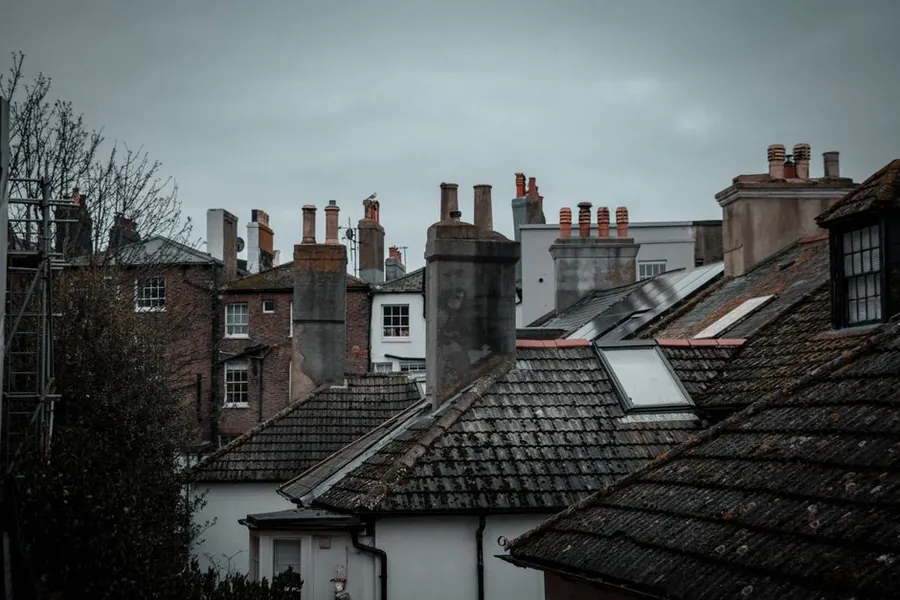
Professional snagging surveyors will cover the whole house, and for the roof specifically a roofer with a drone or camera pole can inspect every slope, verge, ridge and flashing in under an hour without a scaffold. What comes back is a dated, photographed defect list in language a site manager cannot wave away. Sent to the builder inside the two-year window, it converts every item on it into work someone else pays for. The same list compiled at year three is a quote.
If you bought on one of Harrogate’s newer estates and your two-year mark is approaching, or it passed recently and the loft has never once been looked at, that inspection is the single best-value thing you can do for the house this year. It costs a fraction of one repair, and on the evidence of the new-build roofs we have attended across the district, the list it produces is rarely empty.
Frequently Asked Questions
What are the most common roof problems on new-build homes in Harrogate?
The faults we see most are mortar failure at verges and ridges, tiles left unclipped in exposed positions, flashings dressed too short or sealed with mastic instead of leadwork, underlay laps that let wind-driven rain track sideways, and loft condensation caused by missing or blocked ventilation. Almost none of them announce themselves immediately. They tend to surface after the first proper winter, which is exactly why a check before the two-year mark matters.
How long is a new-build roof under warranty in the UK?
In two stages. For the first two years after legal completion, the builder is responsible for putting right defects in the way the home was built, which covers most roof snagging. From years three to ten, a structural warranty such as NHBC Buildmark covers physical damage caused by defects in specified parts of the home, including the roof structure and coverings, but with a minimum claim value and a much narrower definition of what qualifies. Most roof snagging that goes unreported in the first two years is very hard to claim for later.
Is loft condensation in a new build normal?
Some condensation in the first year or so is common, because thousands of litres of water leave the plaster, screed and timber of a new home as it dries out. Persistent dripping, black mould on the underside of the roof membrane, or soaked insulation is not normal and usually means the roof ventilation is missing, blocked or was never adequate. That is a build defect, not a lifestyle problem, and it should go to the builder in writing before the two-year period ends.
Should I get a snagging survey on a new-build roof in Harrogate?
Yes, and ideally twice: once soon after moving in, and once in the months before the two-year builder period expires. The roof is the part of the house you cannot inspect yourself and the part where small defects do slow, expensive damage. An independent check with a camera, or a roofer’s inspection from ladder or drone, costs little and turns vague worries into a written list the builder is obliged to deal with.
Who do I complain to if the builder won’t fix my new-build roof?
Start with the builder’s formal complaints process, in writing, and keep everything. If the developer is registered with the New Homes Quality Board, you can escalate to the New Homes Ombudsman Service, which handles disputes about homes bought from registered developers. For issues in years three to ten that qualify as structural, the claim goes to your warranty provider, such as NHBC, rather than the builder. Dates and photographs decide these arguments, so record problems when you find them, not when you get round to it.