
3 August 2026
Getting Your Harrogate Roof Ready for Winter: A Homeowner's Autumn Checklist
Harrogate winters don’t ease you in. Sitting high on the edge of the Pennines, the town catches wind, driving rain and hard frost earlier and harder than the softer parts of Yorkshire, and your roof takes all of it. The small faults you can happily ignore in July - a slipped tile, a bit of blocked gutter, some tired pointing - are the exact weak points a January storm drives a wall of water through. The good news is that almost every winter roof disaster is a summer or autumn problem that nobody dealt with. An hour of checking now, and a cheap repair or two, saves the £3,000 emergency and the ruined ceiling later. This is the autumn checklist worth working through before the weather turns, and the few jobs worth booking a roofer for while there’s still time.
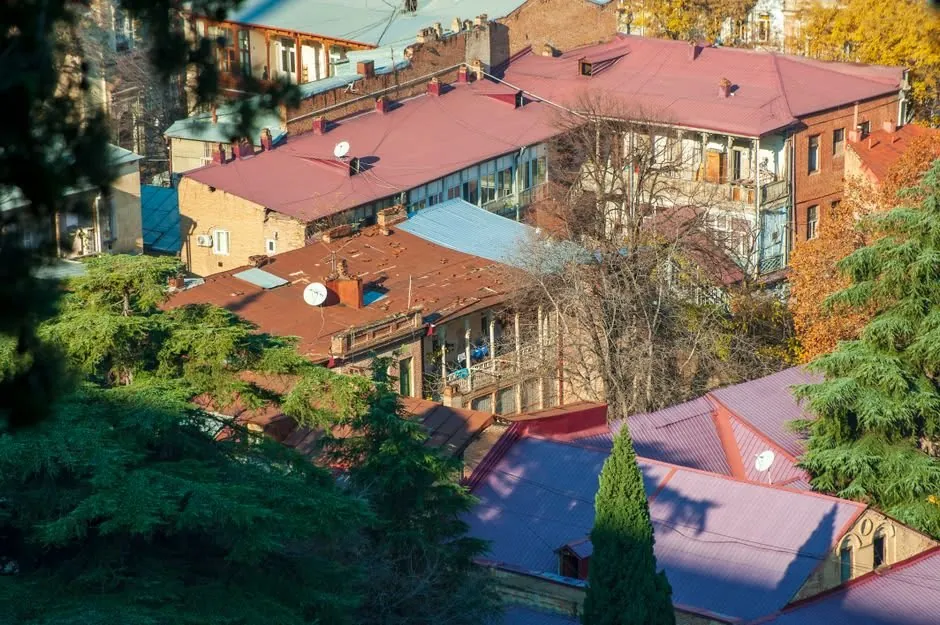
Why autumn is the moment, not December
Timing is the whole game. A roof problem found in October is a calm, cheap, booked-in repair. The same problem found in December, mid-storm, with water coming through the ceiling, is an emergency call-out at a premium - if you can even get someone, because that’s exactly when every roofer in the district is flat out.
There’s a weather reason too. Roofing is outdoor work at height, and the settled, drier spells that make it straightforward get rarer as winter closes in. Autumn is the last comfortable window to get up and check, and to get any repairs done in decent conditions before the first real storm. Leave it and you’re not just risking damage - you’re joining the queue behind everyone else who left it.
1. Clear the gutters before the leaves freeze in
Start here, because it’s the most common cause of winter water damage and the easiest to prevent. Through autumn the gutters fill with leaves, and a blocked gutter can’t do its one job. Water backs up, spills down the wall, and soaks into the fascia and the wall head - and when it freezes, it expands and forces joints apart.
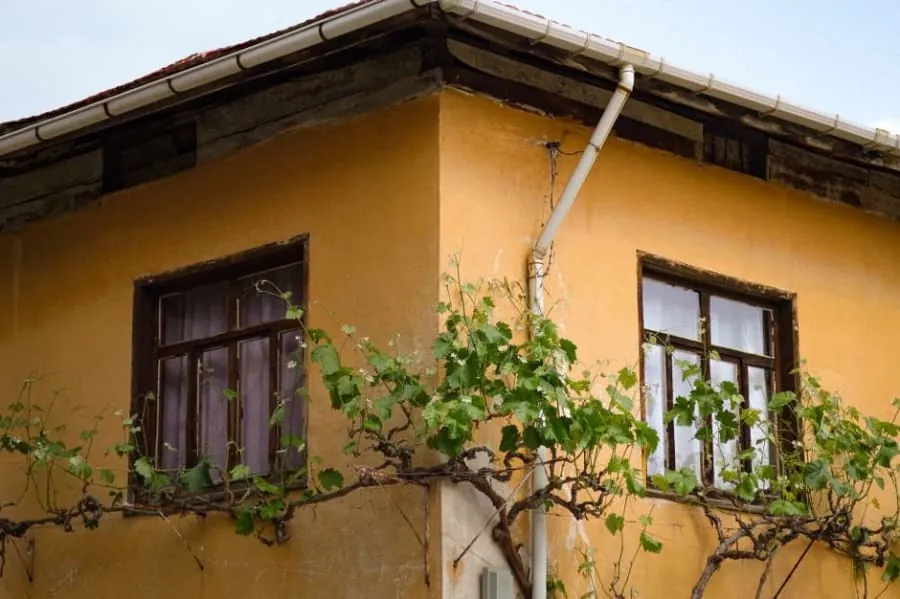
Clear them out once the bulk of the leaves have dropped, and check the downpipes run freely while you’re at it. If your gutters overflow every time it rains hard, that’s a sign they’re either blocked or not falling correctly, and it’s worth sorting before winter turns the overflow into ice. Our guide to gutters, fascias and soffits covers when a clear-out isn’t enough and the guttering itself needs attention.
2. Check for slipped and cracked tiles
On a dry, still day, stand back from the house and look over the roof, ideally with binoculars. You’re looking for tiles or slates that have slipped out of line, gone missing, or cracked, and for any daylight-obvious gaps. A single slipped slate in summer is nothing; the same gap in a December gale is an open door for wind-driven rain.

This is a fix-it-now job, because it’s cheap and quick before winter and expensive and urgent after. A roofer can refix a handful of slipped slates in an hour or two. Left alone, that gap lets water into the timbers and the loft, and you find out about it when the ceiling stains. There’s more on this in our guide to slipped tiles and loose slates.
3. Look over the flashing and pointing
The junctions are where winter leaks start, so give the chimney and any wall abutments a look. From the ground you’re checking for cracked mortar on the chimney, and for lead flashing that’s lifted, split or slipped away from the brickwork. These are the spots water finds first when it’s being driven sideways by a storm.
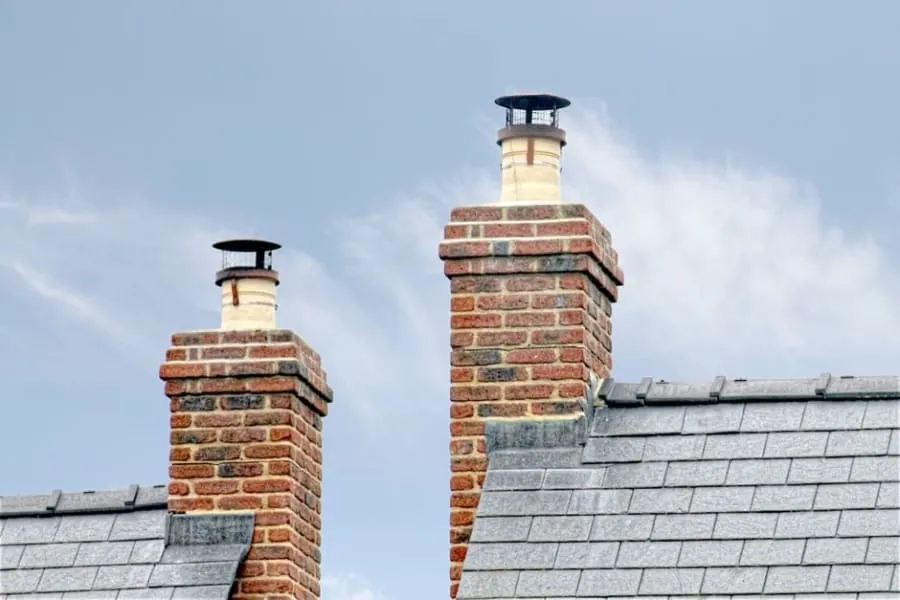
You won’t always see the problem from the ground, but obvious cracked flaunching or a flapping piece of flashing is a clear flag to get it looked at. Flashing failures are one of the most common leak sources on the town’s period homes - we’ve covered them in detail in our guide to lead flashing on Harrogate roofs. Sorting a tired flashing in autumn is a small job; sorting the water damage it causes over winter is not.
4. Deal with the moss before winter
Moss looks harmless and does real damage. It holds water against the roof like a sponge, and on a frosty Harrogate night that trapped water freezes, expands, and slowly works tiles and mortar apart - the freeze-thaw cycle that shortens the life of so many local roofs. Thick moss also breaks off and washes down to block the gutters you’ve just cleared.
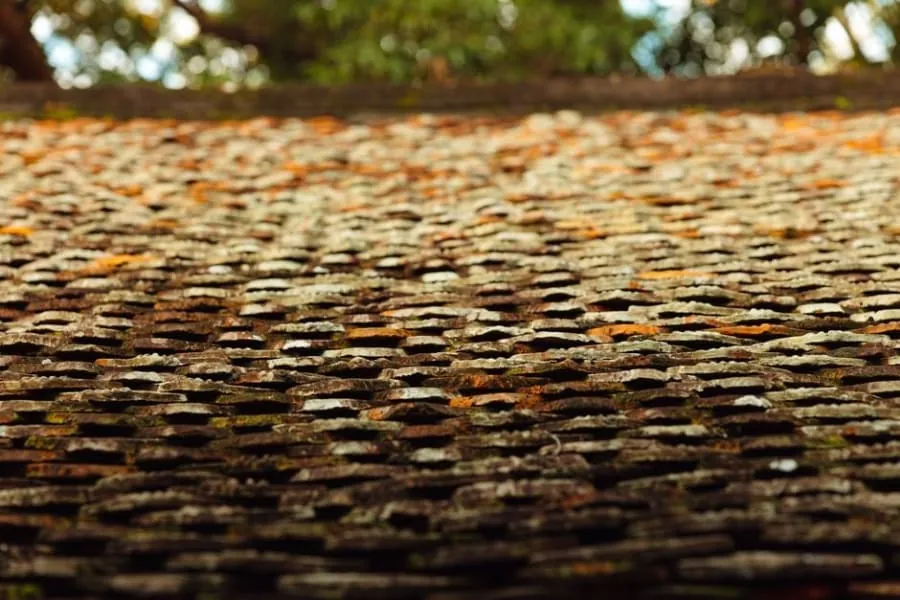
Autumn is a sensible time to have heavy moss dealt with, before it spends all winter holding frost against your tiles. It’s worth doing gently and properly rather than blasting it off with a pressure washer, which can do more harm than the moss. Our guide to moss on Harrogate roofs explains the safe way to handle it and how to slow it coming back.
5. Check the loft for damp and ventilation
Winter is condensation season, so put your head in the loft on a cold morning before the worst of it arrives. You’re looking for damp timbers, black mould, or water droplets on the underside of the roof - signs that warm, moist air from the house is condensing in a cold, poorly ventilated roof space. Check too that your insulation isn’t jammed into the eaves and blocking the airflow.
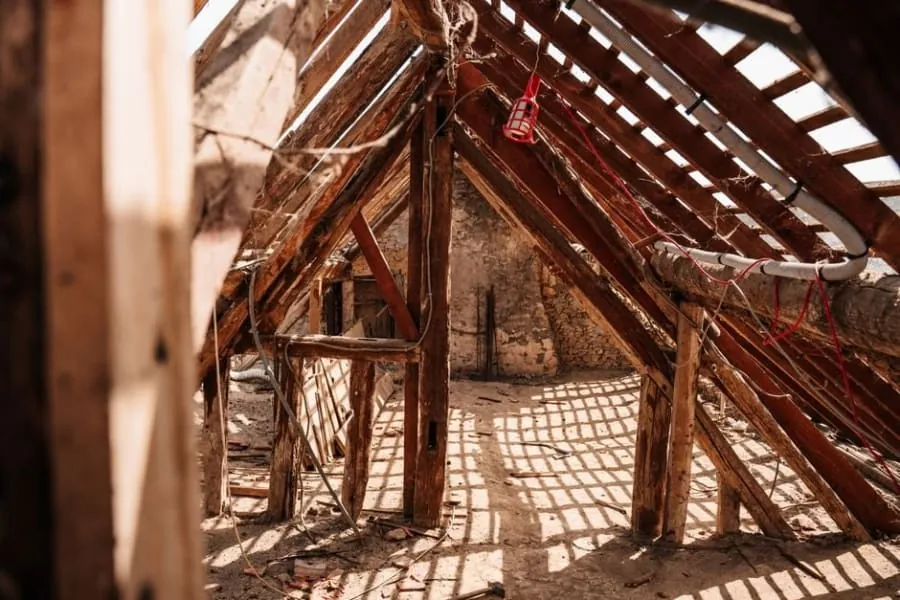
Catching this in autumn means you can improve the ventilation before the loft spends three months damp and growing mould. It’s a problem people almost always mistake for a leak, when the real fix is airflow. We’ve gone through the whole thing in our guide to loft condensation and roof ventilation.
6. Trim back overhanging branches, then book the roofer
Two last jobs. First, cut back any tree branches hanging over or near the roof. In a winter gale they whip against the tiles and can dislodge them, and they drop the leaves and debris that block your gutters in the first place. A bit of pruning now removes a storm risk and an ongoing mess.

Second, and most important: if your check turned up anything - slipped slates, tired flashing, heavy moss, a gutter that won’t clear - book the repair now, not after the first storm. Roofers get busy the moment the weather breaks, and prices rise with the emergency demand. The Met Office will tell you the storms are coming; getting a qualified roofer booked while there’s still slack in the calendar is the difference between a planned repair and a panicked one. Our roof repairs team handles all of these autumn jobs.
Frequently Asked Questions
When should I get my roof checked before winter in Harrogate?
Autumn - ideally September or October - is the right time. It’s the last settled-weather window for comfortable working at height, and it leaves room to book any repairs before the winter storms arrive and every roofer gets busy. Leave it until December and you’re competing for emergency call-outs at premium prices, often after damage has already been done.
What are the most important roof jobs to do before winter?
Clearing the gutters is the single most valuable job, as blocked gutters cause most winter water damage. After that: refix any slipped or cracked tiles, check the chimney flashing and pointing, treat heavy moss before it holds frost against the roof, check the loft for damp and ventilation, and trim back overhanging branches. Book a roofer for anything you can’t safely reach.
Does moss really damage a roof over winter?
Yes. Moss holds water against the tiles and mortar, and when that water freezes on a cold Harrogate night it expands and slowly forces them apart - the freeze-thaw cycle that shortens roof life here. Moss also washes into gutters and blocks them. Treating heavy moss in autumn, gently rather than with a pressure washer, protects the roof through the frosts.
Is it worth checking my roof if I can’t see any problems?
Yes, because the faults that cause winter leaks are often invisible from the ground until they fail. A slipped tile, a hairline-cracked flashing or a slowly blocking gutter gives no obvious sign until a storm drives water through it. A quick autumn check, and a professional look at anything uncertain, catches the cheap problems before they become expensive ones.