
30 July 2026
Loft Condensation and Roof Ventilation in Harrogate Homes: Why Your Loft Is Damp (and How to Fix It)
Go up into a lot of Harrogate lofts on a cold January morning and you’ll find the same thing: beads of water on the underside of the roof, damp-looking timbers, and dark patches of mould creeping across the rafters. It looks like a leak, and homeowners often call a roofer expecting to hear the roof needs fixing. Usually it doesn’t. What they’re looking at is condensation - warm, damp air from the house meeting a cold roof - and it’s one of the most common winter complaints on the town’s older homes. It’s also one of the most misunderstood, because the fix is rarely more insulation and almost always more ventilation. Here’s why Harrogate lofts get damp, and how to actually stop it.
What loft condensation actually is
It’s basic physics, and once you see it you can’t unsee it. Warm air holds moisture; cold air can’t hold as much. Your home is full of warm, damp air - from cooking, showers, drying clothes, even breathing - and that air is lighter than cold air, so it drifts upwards and finds its way into the loft through gaps around the hatch, pipes and light fittings.
Up in the loft it hits cold surfaces: the underside of the roofing felt, the nails poking through, the cold timbers. The moment the warm air touches something cold enough, the moisture drops out of it as water - exactly the way a cold drink sweats on a summer day. Do that night after night through a Yorkshire winter and the timbers stay damp, and damp timber in still air grows the black mould that spreads across so many local lofts.
Why Harrogate lofts get it worse
A few things stack up here. Harrogate winters are long, cold and damp, so the temperature gap between a heated house and an unheated loft is wide for months on end - and that gap is what drives condensation. The colder the roof, the more moisture the warm air dumps when it reaches it.

The housing doesn’t help. A lot of the town’s homes are older, with roofs built before breathable membranes existed, and many have since been sealed up tight - new windows, draught-proofing, thicker loft insulation - all good for heating bills, but all of it traps moisture inside that used to leak away through the gaps. Add a modern amount of moisture-making (more showers, tumble dryers, less open-window ventilation) to an old roof that can’t breathe, and you get a loft that runs damp all winter. It’s less a fault than a mismatch between an old roof and a modern lifestyle.
The old bitumen felt problem
If your house still has its original roof underlay, it’s probably traditional bitumen felt - the heavy black 1F felt used for decades before breathable membranes arrived. It does its job of shedding water that gets past the tiles, but it has no ability to let moisture out from below. It’s a vapour barrier in the wrong place.
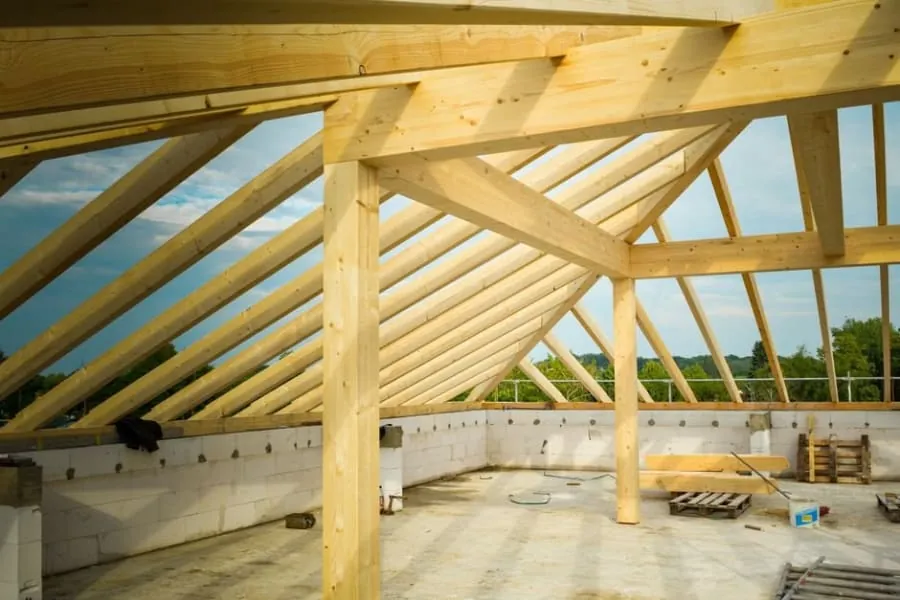
That’s why so many period Harrogate roofs sweat. The moist air rises, meets the cold underside of the felt, and has nowhere to go, so it condenses and runs back down onto the timbers and the insulation. On a roof like this, ventilation isn’t optional - it’s the only way to give that trapped moisture an exit. The good news is you don’t necessarily have to strip the felt off to fix it; you have to get air moving.
Ventilation is the real fix
This is the part people get wrong. The instinct when a loft is damp is to add insulation and seal it up, which makes it worse by trapping more moisture against a colder roof. What a damp loft needs is a through-draught of outside air that carries the moisture away before it can condense.
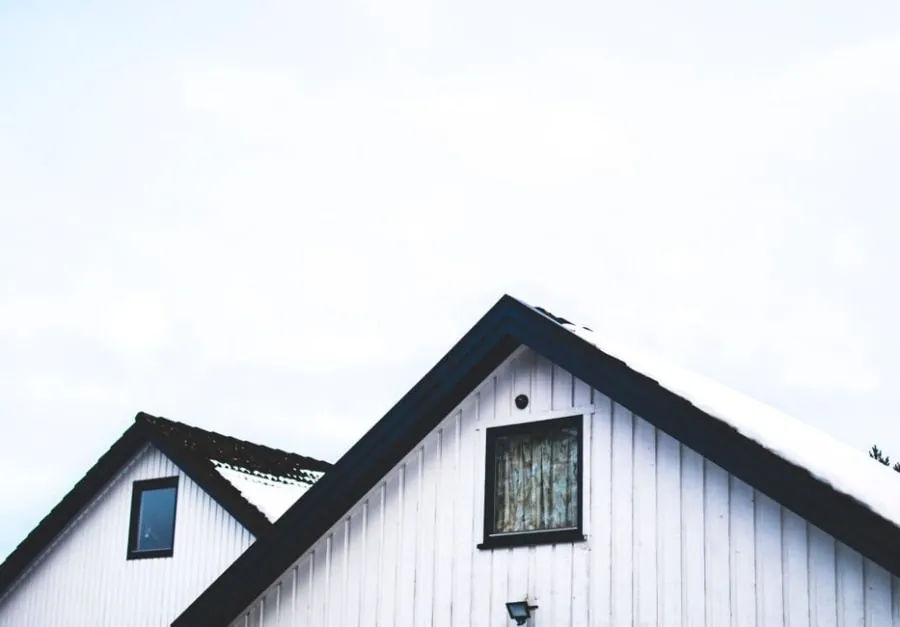
In practice that means low-level ventilation at the eaves and high-level ventilation at the ridge, so air flows in at the bottom and out at the top. Building guidance calls for continuous ventilation at the eaves equivalent to a 10mm gap - around 5,000 mm² per metre of roof - with matching high-level venting for a cold loft. The tools are simple: soffit vents or over-fascia vents at the eaves, ridge vents or tile vents up top, and for an old felt roof, felt lap vents slotted between the courses to let the trapped air escape. A roofer will work out the right combination for your roof; the government’s ventilation guidance (Approved Document F) sets out the standard, and any qualified roofing contractor can specify it.
Don’t smother the eaves
One specific mistake causes more loft damp in Harrogate than almost anything else: insulation stuffed right into the eaves, blocking the very gap the air needs to get in. When people top up loft insulation - sensible in itself - they often push it hard into the corners where the roof meets the wall, sealing off the eaves ventilation completely.
The fix is cheap: rafter trays, also called ventilation baffles, hold the insulation back and keep a clear air channel open above it at the eaves. It’s a small job that makes a big difference, and it’s often the single thing standing between a damp loft and a dry one. If you’ve recently added insulation and then noticed condensation, this is the first place to look. Our guide to roof insulation and energy efficiency covers how to insulate without choking off the airflow.
Fixing it during a re-roof
If your roof is due for replacement anyway, that’s the moment to solve condensation properly. A modern breathable membrane goes on in place of the old bitumen felt, and it lets moisture from below pass out through the roof while still keeping rain out - the opposite of what the old felt does.

Worth being clear, though: a breathable membrane reduces the ventilation you need but rarely removes it entirely. Most still work best with vents at the eaves and ridge, so the reliable approach on a re-roof is a breathable membrane plus proper ventilation, not one instead of the other. Doing it at re-roof stage is also when high-level ventilation is easiest to add - a dry ridge system, for instance, builds it into the ridge. We’ve explained that side in our guide to dry ridge and dry verge systems, and the roof replacement page covers how a re-roof runs.
Where the moisture comes from
Ventilation deals with the moisture once it’s up there, but it’s worth cutting off the supply too. A surprising amount of loft damp starts with a bathroom or kitchen extractor fan that vents into the loft instead of out through the roof or wall - pumping warm, wet air straight into the cold space. If you have fans ducting into the loft, get them redirected outside.
The everyday sources add up as well: drying washing indoors, especially over radiators, puts litres of water into the air; so do unlidded pans and long showers with the door open. None of this means living in a draughty house - it means venting the wet rooms properly and giving the loft the airflow to cope with what still gets up there. Get the moisture sources and the ventilation both right, and a loft that’s streamed with condensation every winter dries out for good.
Frequently Asked Questions
Why is my Harrogate loft wet in winter but there’s no leak?
It’s almost certainly condensation, not a leak. Warm, damp air from the house rises into the cold loft and the moisture condenses on the cold roof and timbers - worst in Harrogate’s long cold winters. The signs are water droplets on the underside of the felt, damp timbers and black mould, usually spread evenly rather than in one spot like a leak. The fix is ventilation, not roof repairs.
How do I stop condensation in my loft?
Improve the airflow through the roof space. That means ventilation at the eaves (soffit or over-fascia vents) and at the ridge (ridge or tile vents), and on an old bitumen-felt roof, felt lap vents to release trapped air. Keep loft insulation pulled back from the eaves with rafter trays so it doesn’t block the airflow, and make sure bathroom fans vent outside, not into the loft.
Does a breathable membrane stop loft condensation?
It helps a lot but usually isn’t enough on its own. A breathable membrane lets moisture escape through the roof, unlike old bitumen felt, but most roofs still need eaves and ridge ventilation alongside it. The reliable approach when re-roofing is a breathable membrane plus proper ventilation, which is why we fit both together.
Will adding more loft insulation fix a damp loft?
No - it usually makes it worse. More insulation keeps the loft colder and, if it’s pushed into the eaves, blocks the ventilation the space needs, so more moisture condenses. Insulate for warmth by all means, but keep it clear of the eaves with ventilation baffles and make sure the loft is properly vented, or you’ll trade a warm house for a damp roof.