
3 August 2026
Lead Flashing on Harrogate Roofs: Where It Fails, Why It Gets Stolen, and What Replacement Costs
Most roof leaks in Harrogate don’t start in the middle of a roof - they start at a junction, where the roof meets something else. A chimney, a wall, a dormer, the valley between two slopes. The material that seals those junctions is lead, and when a period Harrogate house springs a mystery leak, tired lead flashing is very often the culprit. Lead is brilliant at the job when it’s done right: it lasts a century, moulds to any shape, and shrugs off the weather. Done wrong, it cracks within a few years. And on the town’s older stone houses and churches, it has one more problem the rest of the country knows well - it’s worth money, and it gets stolen. Here’s how lead flashing works, why it fails, and what putting it right costs.
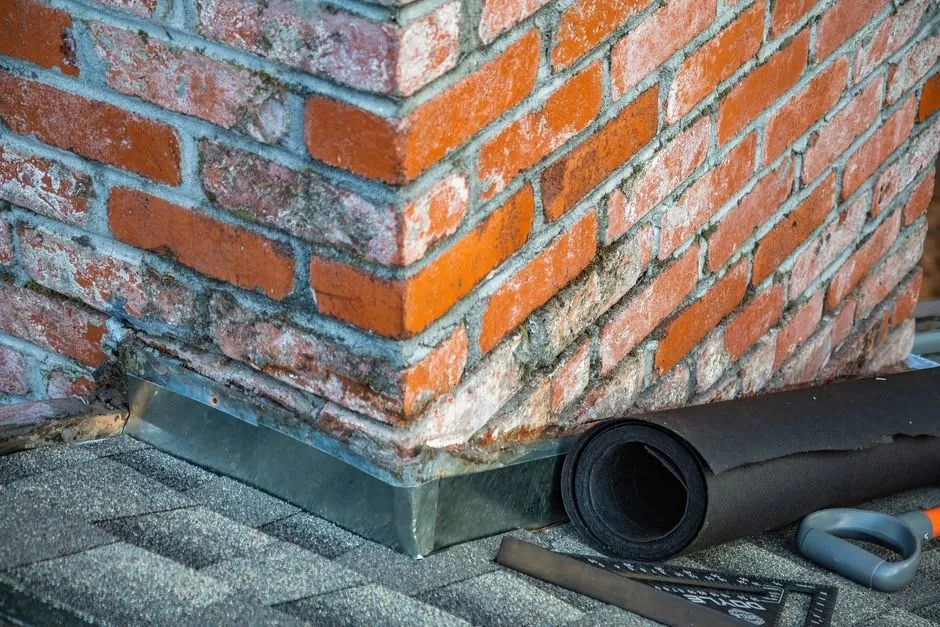
What lead flashing actually does
Flashing is the weatherproofing at the joins. Anywhere the roof covering stops and meets a vertical surface or changes direction, there’s a gap, and lead is the material that bridges it. On a typical Harrogate house you’ll find it dressed around the base of the chimney, stepped into the mortar joints where a roof abuts a wall, formed into the valley where two roof slopes meet, and worked around dormer cheeks and roof windows.
Its magic is that it’s soft. Lead can be dressed - worked by hand - to follow the exact profile of a tile or a stone, so it sits tight against an irregular surface in a way a rigid material never could. That’s why it’s been the go-to for centuries, and why it’s still the right answer on the period properties that fill this town. When leadwork is formed properly and fixed correctly, it will outlast the roof around it.
The codes: why the thickness matters
Lead flashing comes in grades called codes, and getting the code right is half the job. The codes run by thickness: Code 3 is 1.32mm, Code 4 is 1.80mm, Code 5 is 2.24mm and Code 6 is 2.65mm, each one colour-marked so a roofer can tell them apart on the roll. The Lead Sheet Association sets the standards good roofers work to.

Different jobs need different codes. Code 4 is the common choice for chimney aprons and step flashings; Code 5 is better where there’s more water and movement, like back gutters behind a chimney and valleys. Use too thin a code in the wrong place - Code 4 in a wide valley, say - and it fatigues and splits far too soon, which is why a good roofer specifies Code 5 or 6 there instead. It’s a small detail that decides whether the flashing lasts five years or fifty.
Why lead flashing fails
Here’s the thing almost every failed flashing has in common: the lead was too long in one piece. Lead expands in summer heat and contracts in winter cold, and it moves a surprising amount. If a length of lead is fixed at both ends and can’t move, the stress has nowhere to go, so it concentrates at one point and works the metal back and forth until it cracks. Roofers call it thermal fatigue, and it’s behind the large majority of lead failures.
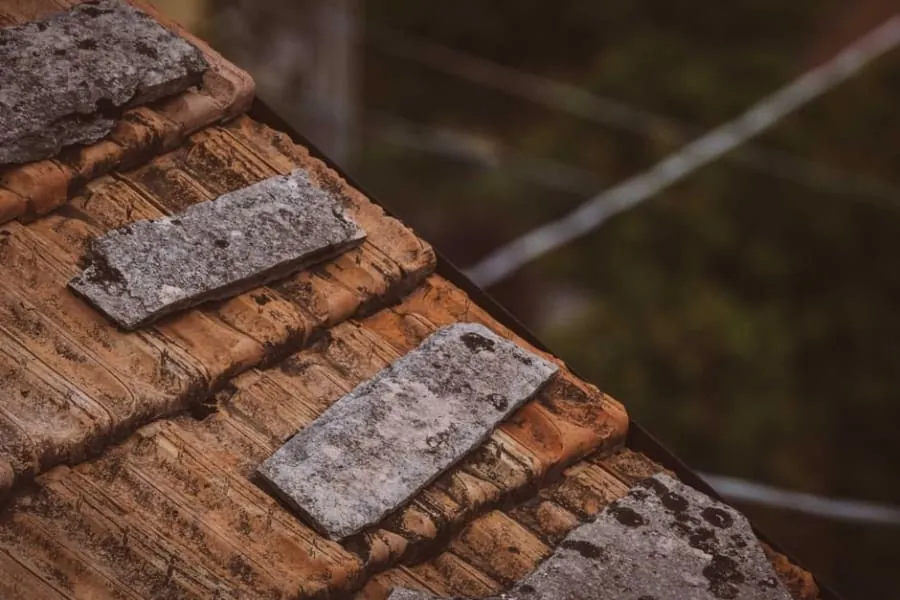
The fix is to work in short pieces with laps between them, so each piece can expand and contract freely. The guidance is clear: individual pieces should be limited to about 1.5m for Code 5 and 2.25m for Code 6, with overlapping joints between. A cheap or rushed job runs the lead in long, unbroken lengths because it’s quicker, and it will crack in a few Harrogate winters. The other common failure is age and old practice: on very old roofs the flashing was sometimes just bedded into mortar with no proper dressing or fixing, and once that mortar goes, so does the seal. If you’ve got a leak near a chimney, our guide to chimney repairs in Harrogate covers where the water usually gets in.
Where it fails on Harrogate roofs
The town’s housing puts lead in all the wrong-for-longevity places. The tall Victorian and Edwardian chimney stacks mean lots of flashing - aprons, step flashing up both sides, and a back gutter behind each stack, which is the single most common leak point on a period Harrogate roof because it sits in the path of everything running off the slope above.
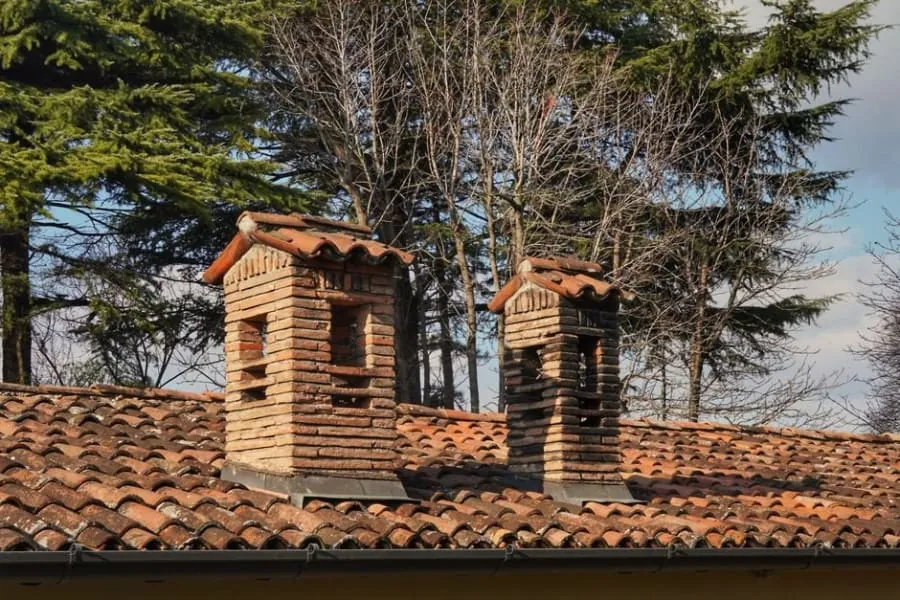
Complex period rooflines add valleys, and the terraces and semis mean plenty of wall abutments where one roof meets a neighbour’s higher wall. Every one of those junctions relies on lead, and every one is a potential leak once the lead fatigues or the pointing holding the step flashing lets go. It’s why so many “the roof is leaking” call-outs here turn out to be a single tired piece of flashing rather than anything wrong with the tiles or slates themselves. Our roof repairs team spends a lot of time at exactly these junctions.
The theft problem
Lead has a second life that other roofing materials don’t: it’s valuable as scrap, and that makes it a target. Metal theft from roofs became a serious problem across the UK, and the scale is startling - the church insurer Ecclesiastical saw metal roof theft claims rise from around 10 claims worth £20,000 in the early 2000s to some 7,000 claims costing roughly £23 million a few years later. Some buildings ended up unable to get insurance for their lead at all.

Harrogate and the surrounding area, with its stock of period buildings and historic churches, has seen its share. For most homes the risk is low - it’s the larger, unoccupied and heritage buildings that get targeted - but it’s worth knowing the deterrents exist: forensic marking like SmartWater, roof alarms, and CCTV. If theft is a real worry on a vulnerable building, it can be reported and prevented through the usual channels, and there’s a material answer too, which brings us to the next point.
The lead-free alternative
For situations where lead keeps getting stolen, or where the budget won’t stretch to a full lead job, there are flexible lead-substitute flashings. These are made from a mix of aluminium mesh and polymer, they dress to shape much like lead, and crucially they have no scrap value - so nobody steals them.
They’re lighter, easier to work, and often cheaper, and on the right detail they perform well. They aren’t a like-for-like replacement everywhere - on a listed building or in a conservation area, a lead substitute may not be acceptable where the original material matters, and traditional lead still wins for longevity on a well-detailed job. But as a theft-proof, cost-effective option on a standard house, or a repair to a spot that’s been stripped once already, lead substitute is a genuinely useful alternative worth discussing.
What replacement costs
The numbers are reasonable for the protection you get. A patch repair to a small run of flashing starts from around £150. A full flashing replacement typically runs £350 to £920, with the range driven mostly by scaffold access - a back gutter you can reach off a ladder is cheap; a two-storey chimney needing scaffold is the top of the range.
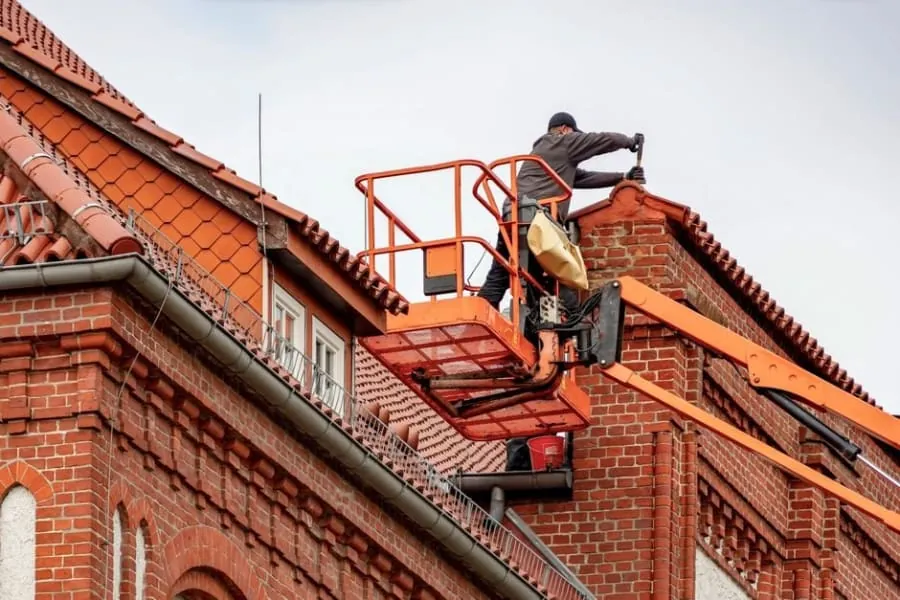
By area, lead material and labour runs roughly £90 to £140 per square metre for simple work, £140 to £250 for standard roofing details, and more for complex detailing. Using a qualified roofing contractor who works to the lead standards is what makes the difference here. The reason it’s worth doing properly rather than patching cheaply is longevity: a correctly coded, correctly lapped lead job lasts decades and doesn’t leak, whereas a bodge cracks and you pay again. If a leak has already got in, our guide on why ignoring a small roof leak gets expensive explains why sorting the flashing sooner saves money later.
Frequently Asked Questions
How long does lead flashing last on a Harrogate roof?
Properly installed lead flashing - correctly coded and worked in short lapped lengths - can last 60 years or more. When it fails early, it’s almost always because the lead was run in over-long pieces that couldn’t expand and contract, so it cracked from thermal fatigue, or because old flashing was simply bedded in mortar that has since perished. Good detailing is what makes the difference.
What code of lead do I need for chimney flashing?
Chimneys are usually flashed with Code 4 or Code 5 lead. Code 4 is common for aprons and step flashings, while Code 5 is used for back gutters behind the stack, where there’s more water and movement. Wide valleys need Code 5 or 6, as Code 4 fatigues and splits too soon in those positions. A roofer specifies the code to suit each detail.
Why does lead get stolen from roofs?
Lead has scrap value, which makes it a target for metal theft - a problem that has cost UK building insurers tens of millions, hitting churches and heritage buildings hardest. Most ordinary homes are low risk, but vulnerable buildings use deterrents like forensic marking, alarms and CCTV. Flexible lead-substitute flashing, which has no scrap value, is another way to remove the temptation entirely.
How much does it cost to replace lead flashing in Harrogate?
A patch repair to a small area starts from around £150, while a full flashing replacement generally costs £350 to £920, depending mainly on whether scaffolding is needed. A ground-floor abutment reachable by ladder sits at the lower end; a two-storey chimney requiring scaffold is at the top. Doing it properly costs more than a bodge but lasts decades longer.