10 August 2026
Roofing in a Harrogate Conservation Area or Listed Building: The Rules
Harrogate is one of Yorkshire’s most protected towns to own a roof in. Its spa-era heart is a dense weave of Victorian and Edwardian buildings, and a large share of them sit inside a conservation area or carry a listing - which means the roof over your head may not be yours to change freely. Since April 2023 the authority handling all of this has been North Yorkshire Council, which took over from the former Harrogate Borough Council, and it’s the body you’ll deal with for permissions. This catches homeowners out: a job as ordinary as swapping your slates for a cheaper concrete tile, adding a rooflight, or fitting solar panels can need consent you didn’t know applied - and getting it wrong on a listed building is a criminal offence, not just a planning slip. This guide explains what the rules actually mean for your roof, when you need permission, and how to get heritage roof work right.
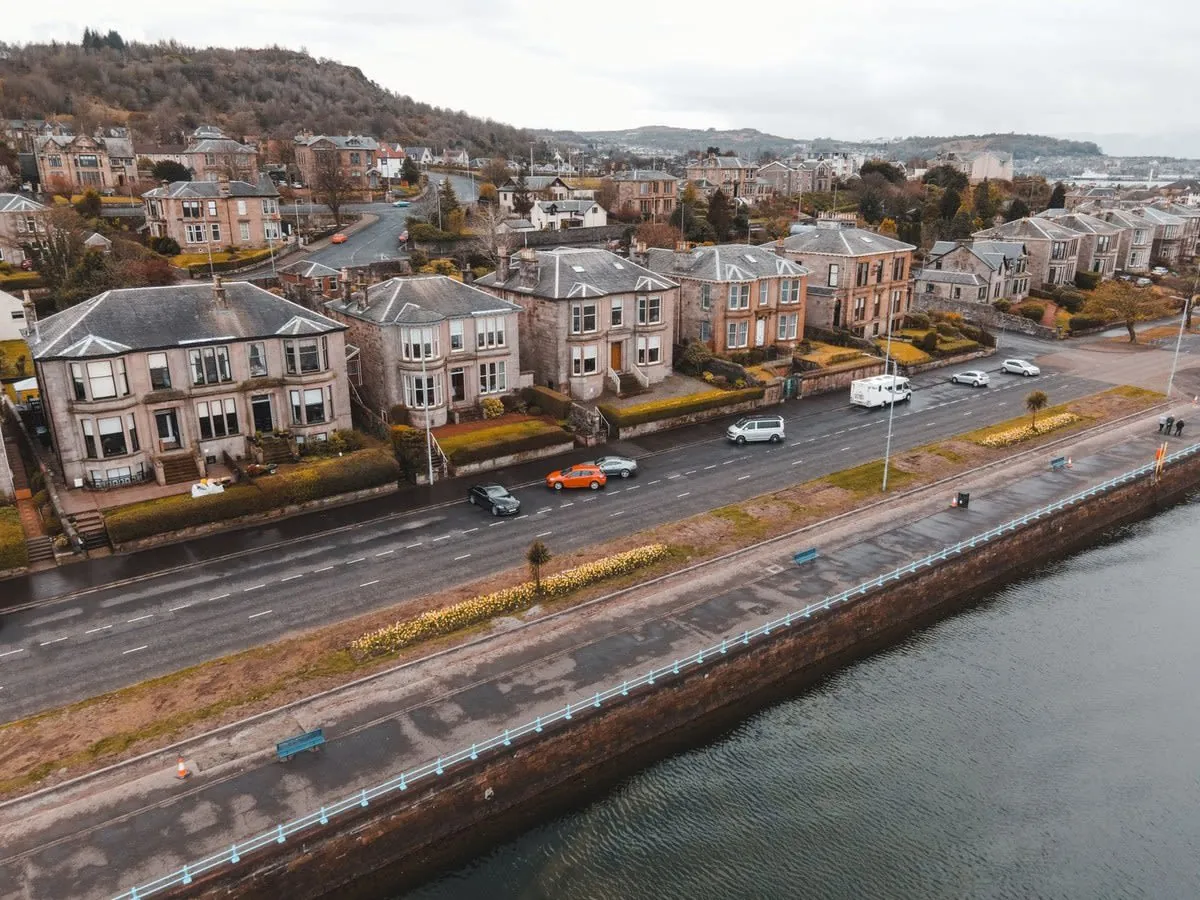
Harrogate is a town built on heritage
Walk through central Harrogate, the Duchy Estate, or the older parts of Knaresborough and you’re looking at street after street of protected buildings. The town’s growth as a Victorian spa left it with an unusually large stock of period property, and much of it falls under some form of heritage control. That’s part of what makes Harrogate handsome - the consistent rooflines, the natural slate, the tall chimneys - and it’s exactly what the rules exist to protect.
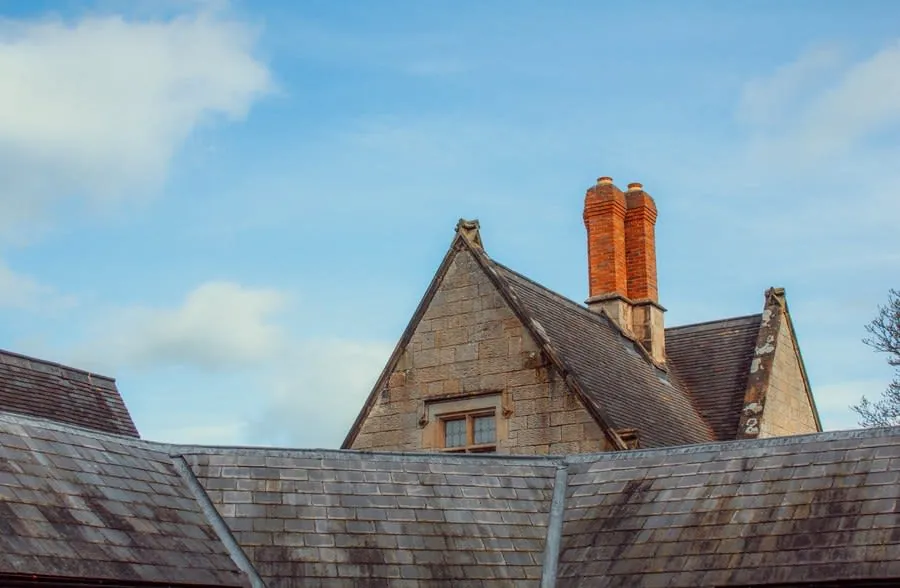
For a homeowner, the practical point is that you should check your roof’s status before planning any work, not after. A quick call to North Yorkshire Council’s conservation team, or a look at whether your property is listed, tells you which rules apply. It’s a step worth taking before you get quotes, because the answer changes what materials you can use and whether you need consent at all. If you’re weighing up a full roof replacement, that status is the first thing to establish.
Conservation area versus listed building - the difference
People use the terms interchangeably, but they’re different controls and they affect your roof differently. A conservation area is a designated area - a whole street or district - protected for its overall character. Listing applies to an individual building of special architectural or historic interest, and the protection is much tighter, covering the building itself, inside and out.
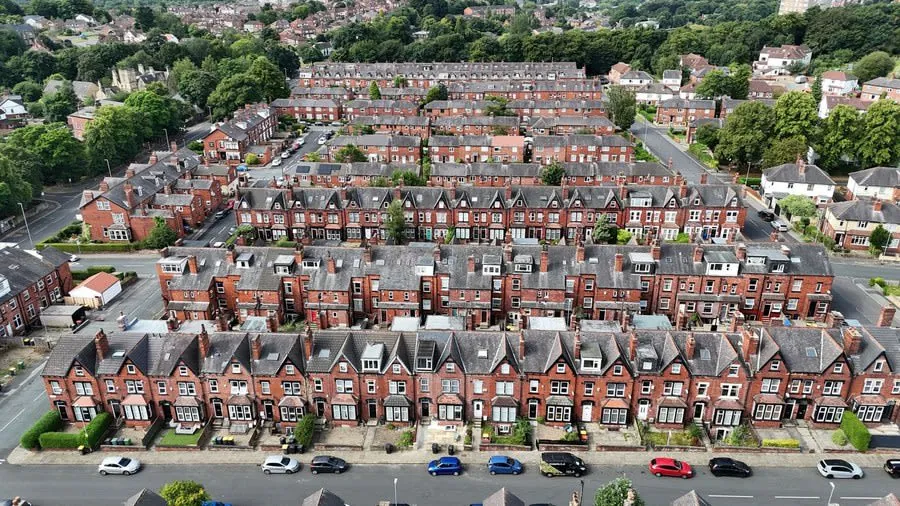
The rule of thumb: in a conservation area, the concern is how your roof looks from the street and how it fits the wider scene, so like-for-like repairs are usually fine but changes to materials or appearance can need permission. On a listed building, almost any alteration to the roof - materials, rooflights, even the detail of how it’s laid - is likely to need formal listed building consent. Harrogate has plenty of both, and some properties are in a conservation area and listed at the same time. Knowing which category you’re in tells you how much freedom you have.
What an Article 4 direction changes
The other thing that can restrict your roof is an Article 4 direction. Normally, some minor works count as “permitted development” and don’t need an application. An Article 4 direction removes those permitted development rights in a specific area, so works that would be automatic elsewhere need planning permission here.
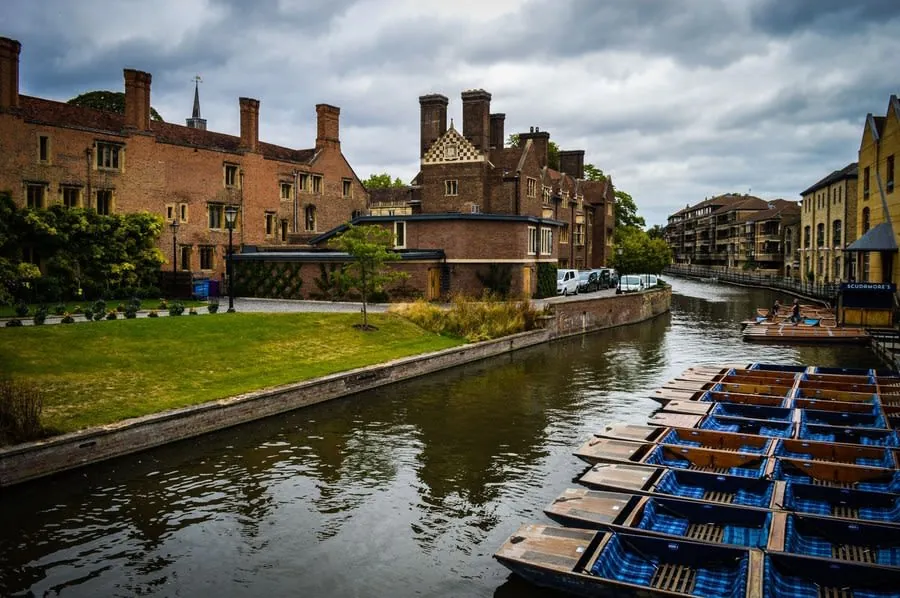
Harrogate has a well-known example: an Article 4 direction covering the perimeter of the Stray controls the installation of solar panels on roofs visible from that open parkland, precisely because they would affect the protected view. It’s a good illustration of how local these rules get - two similar houses a few streets apart can have different rights depending on designations and directions. You can check what applies to your address through North Yorkshire Council’s heritage and conservation pages for the Harrogate area. Don’t assume that because a neighbour did something, you automatically can.
Matching the roof: slate, tile and detail
When you can do roof work in a heritage setting, the watchword is matching. The point of the controls is to keep the character intact, so replacement materials are expected to match the original - natural slate replaced with natural slate, clay tiles with clay, laid in the same way. Swapping natural Welsh or Yorkshire slate for a cheaper concrete substitute is one of the most common changes refused or challenged, because it alters the look and weight of the roof.
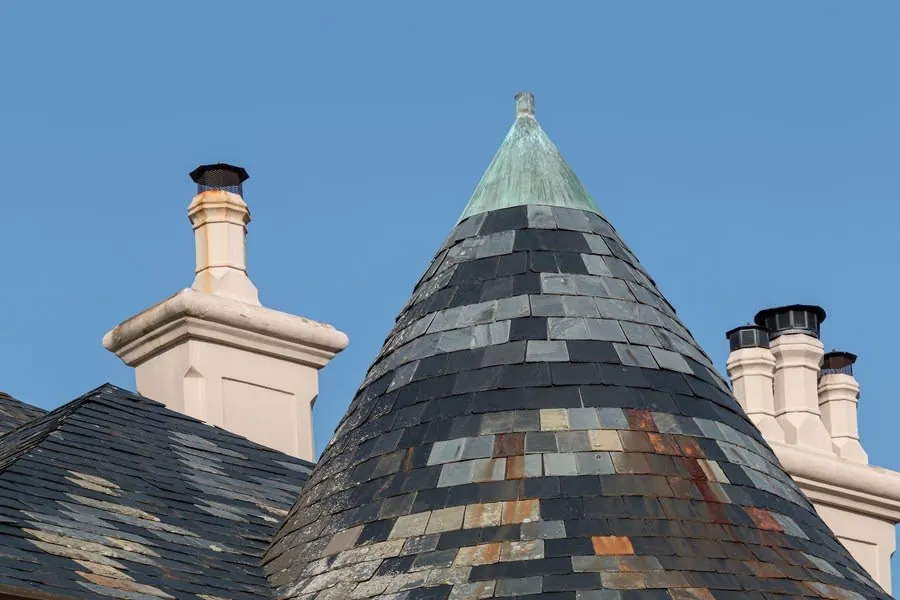
The detail matters too, not just the material. On the most sensitive roofs, things like slate sizes, the courses and overlap, and how the roof is laid and bedded are all part of what’s protected. Historic England’s guidance on repairing and maintaining older roofs is a useful starting point on doing this sympathetically. Sourcing matching materials - often including reclaimed slate to blend with what’s already there - is a normal part of heritage roofing, and it’s why these jobs need a roofer who has done them before rather than the cheapest quote.
Rooflights, dormers and solar panels
Adding to a roof is where homeowners most often trip up. In a conservation area, a rooflight on a front-facing slope, a new dormer, or a set of solar panels can all need permission even though the same thing at the back, out of sight, might not. The test is usually visibility and impact on the character of the area.
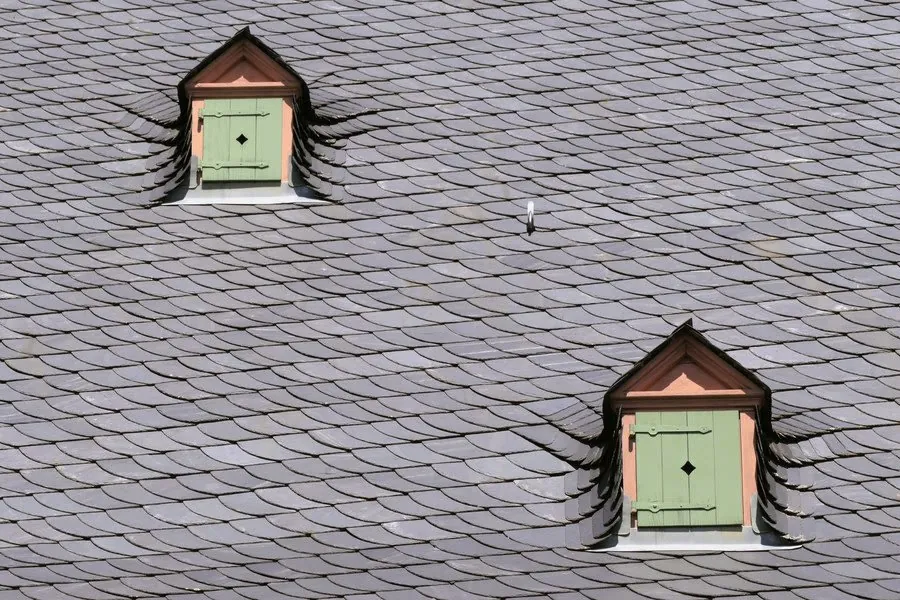
Conservation-style rooflights - slim, flush-fitting roof windows that sit low in the roof - exist precisely because standard chunky ones are often unacceptable in these settings. Solar panels are the classic flashpoint, as the Stray example shows: fine on a hidden rear slope in many cases, restricted where they’d be seen. On a listed building the bar is higher again, and even a rooflight can need listed building consent. The safe approach is to ask the council before you commit, not to assume the permitted-development rules that apply to ordinary houses apply to yours.
Listed building consent, and why skipping it is a crime
This is the one to take seriously. Carrying out work that needs listed building consent without getting it first is a criminal offence - not a matter of a retrospective application and a fine, but a genuine offence that can lead to prosecution and an order to put the building back as it was. The Planning Portal’s guidance on listed building consent sets out how the process works and what it covers.
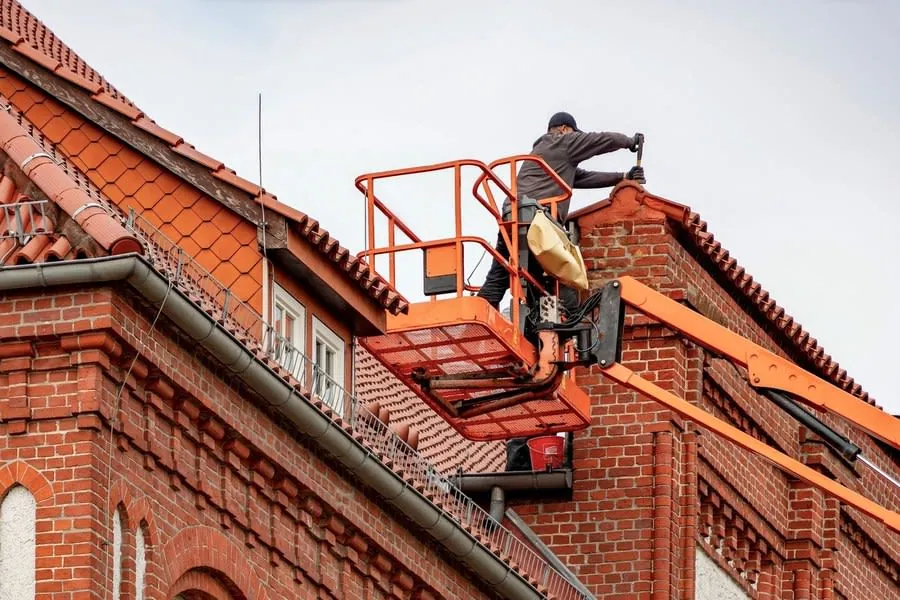
That’s why, on a listed roof, you don’t start work on the strength of a builder saying “it’ll be fine”. You establish what’s needed, apply for consent, and keep the paperwork. It’s also why the choice of contractor matters so much: a roofer who understands heritage work will flag the consent question, use the right materials, and record what was done - all of which protects you. If you want the wider picture on permissions for roof work in the town, our guide on whether you need planning permission to replace a roof in Harrogate covers the general rules.
Getting heritage roof work right
The theme running through all of this is: check first, use the right people, keep records. Establish your roof’s status with North Yorkshire Council before you plan the work. If consent is needed, get it before anyone goes up - a good roofer or a heritage consultant can help with the application. Use a contractor experienced in period and protected properties, who’ll match materials properly and lay them in keeping with the original.
Done that way, heritage roof work is entirely manageable and keeps your home both compliant and looking as it should. Skipped, it can mean refused work, enforcement, or on a listed building a prosecution - a lot of trouble for a roof. If your Harrogate property is in a conservation area or listed and needs roof work, we can talk you through what applies and handle the job to the standard these buildings need.
Frequently Asked Questions
Do I need permission to replace my roof in a Harrogate conservation area?
For a like-for-like repair using the same materials, usually not - but if you’re changing the material or appearance, such as swapping natural slate for concrete tiles, you may need planning permission, and an Article 4 direction can remove your normal permitted-development rights entirely. Always check your property’s status with North Yorkshire Council before starting, as the rules vary street by street.
What’s the difference between a listed building and a conservation area?
A conservation area protects the character of a whole area, so the main concern is how your roof looks from the street. A listed building is an individual property of special interest, protected far more tightly - almost any alteration to a listed roof, including materials and rooflights, needs formal listed building consent. Some Harrogate homes are both listed and in a conservation area.
Can I put solar panels or a rooflight on a conservation-area roof?
Sometimes, but not automatically. On rear slopes out of public view it’s often possible, while anything visible from the street can need permission. Harrogate has an Article 4 direction around the Stray specifically restricting solar panels on roofs visible from it. Slim conservation-style rooflights are designed for these settings. On a listed building, even a rooflight typically needs consent - check before committing.
What happens if I do roof work on a listed building without consent?
It’s a criminal offence to carry out work needing listed building consent without obtaining it first. That can mean prosecution and an enforcement notice requiring you to undo the work and reinstate the original - potentially at significant cost. This is why listed roof work should always start with establishing what consent is needed and getting it in place before any work begins.