15 July 2026
Do You Need Planning Permission to Replace a Roof in Harrogate? Conservation Areas, Listed Buildings & Article 4
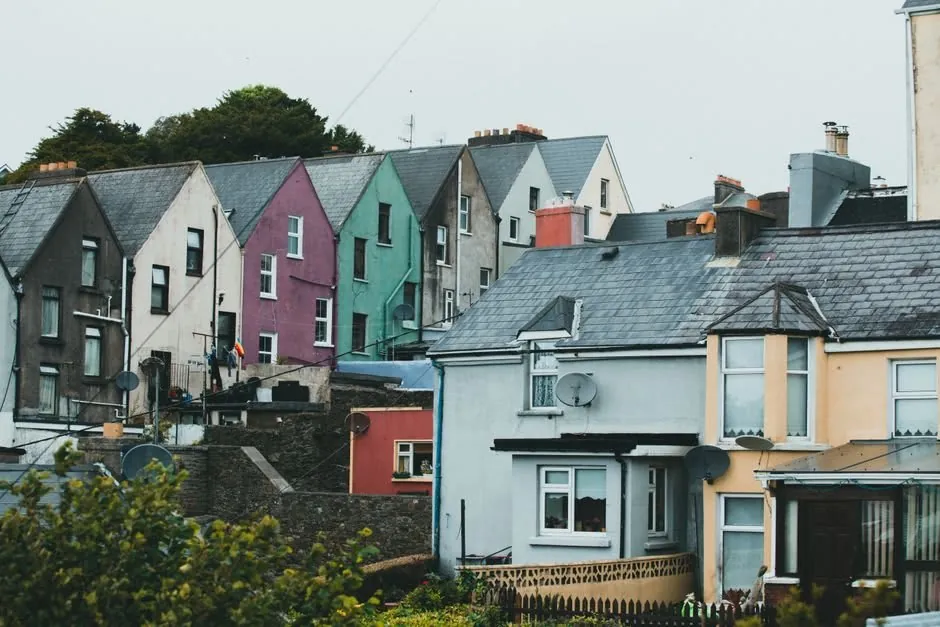
Replacing a roof is one of those jobs most Harrogate homeowners assume they can just get on with. Usually they’re right. A like-for-like re-roof normally counts as permitted development, so no planning application is needed. The catch is that Harrogate is not a typical town. The HG postcode contains 33 designated conservation areas, from the leafy, set-back villas of the Duchy Estate to the Regency and Victorian frontages around Montpellier and Low Harrogate, and a large share of the town’s older housing sits under tighter rules than the national default. Get it wrong here and you can end up with an enforcement notice, a re-roof you have to redo in the correct material, or an awkward conversation with a buyer’s solicitor years later. This guide explains when permission is actually needed, what an Article 4 direction changes, how listed buildings differ, and the checks worth doing before a single slate comes off.
The short answer: usually not, but Harrogate has more exceptions than most
For the majority of homes in Harrogate, replacing a roof with the same type of material does not need planning permission. It falls under permitted development, the set of rights that lets you carry out certain works without applying to the council. The government’s overview of planning permission in England is a useful primer on where the line sits.
Those rights get narrower the moment your property is in a conservation area, is listed, or sits under an Article 4 direction. And because so much of central Harrogate and its surrounding villages carries one of those designations, the question is worth checking properly rather than assuming. The safest way to think about it: a straight repair using matching materials is almost always fine, while changing the look of the roof, or the material it’s made from, is where permission starts to come into play.
Harrogate’s conservation areas: what’s protected and where
A conservation area is an area the council has designated for its special architectural or historic interest. Harrogate has an unusually high number of them, a legacy of its years as a fashionable Victorian and Edwardian spa town built around its mineral springs.
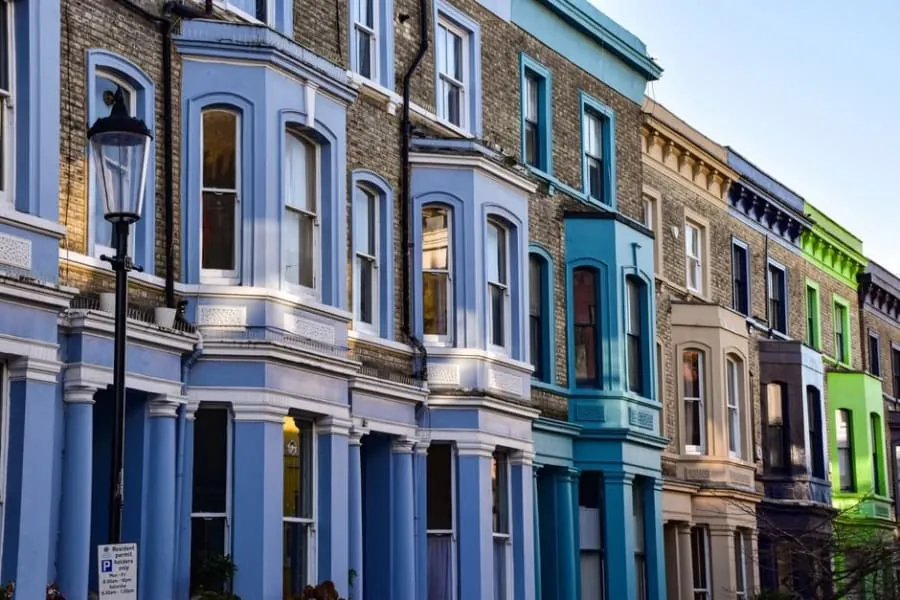
The Duchy Estate is one of the best known. Its designation exists to protect the “Arcadian” character of the place - mature trees, generous gardens, low building-to-plot ratios, and houses set well back from the road. Roofscapes are part of that character, which is why the material and profile of a roof matter there in a way they wouldn’t on a modern estate. Other protected pockets run through Montpellier, the older parts of High and Low Harrogate, and villages across the wider district such as Knaresborough, Ripon and Boroughbridge.
If you don’t know whether your home falls inside one of these boundaries, North Yorkshire Council keeps the maps. It’s the first thing worth checking, because it changes everything that follows.
What an Article 4 direction changes for your roof
Some conservation areas go a step further with an Article 4 direction. This is a formal step the council can take to remove specific permitted development rights that would normally apply - often the very rights that would otherwise let you re-roof without asking.
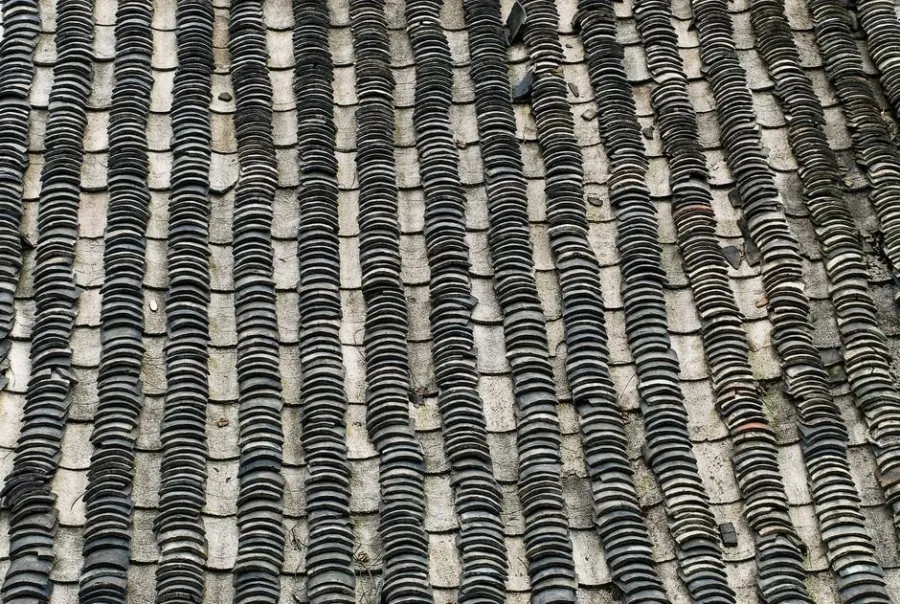
Where an Article 4 direction is in place, planning permission is typically required for alterations to a roof that faces a highway, including changing the roofing material or its profile. Swapping natural slate for concrete tiles, or a plain-tile roof for something with a different texture, is exactly the kind of change these directions are designed to control. The practical upshot is that two neighbours on the same street can face different rules depending on which way their roof faces and whether a direction applies.
Article 4 directions aren’t there to make life difficult. They exist to stop the slow erosion of a street’s character, where one out-of-place roof at a time gradually changes how a whole terrace looks.
Listed buildings: a stricter rule again
If your property is listed, the bar is higher still. Listed building consent is separate from planning permission and is needed for any work that affects the building’s special character - and the roof almost always counts.
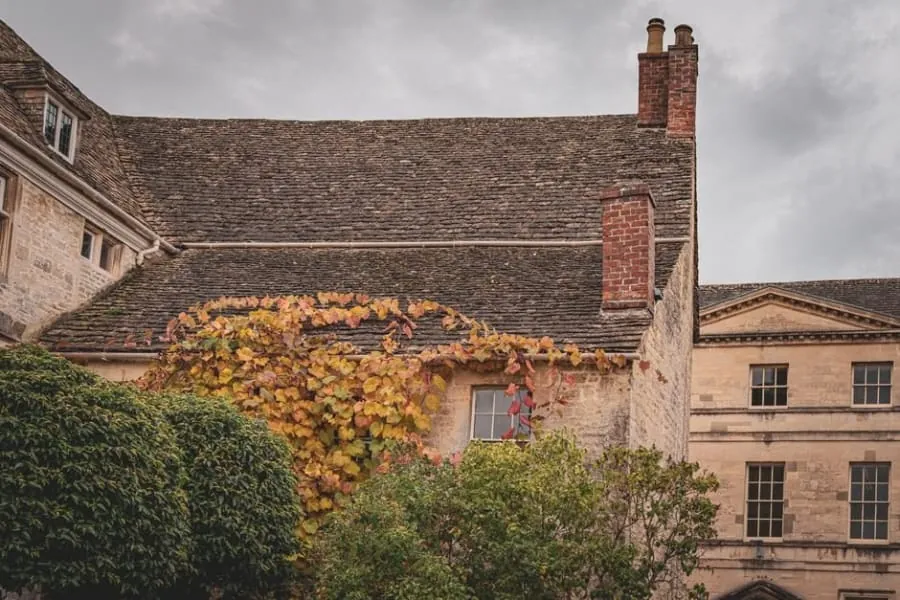
That applies whether the building is Grade I, Grade II* or Grade II, and it covers more than just the visible covering. Structural timbers, chimney stacks, ridge details and even the type of fixing can all be part of what’s protected. Carrying out roof work on a listed building without consent is a criminal offence, not just a planning breach, so this is one where you check first and act second, every time. If you’re unsure whether your home is listed, Historic England’s National Heritage List is searchable and free.
Like-for-like repair vs a full re-roof: where the line sits
Here’s the distinction that trips people up. Repair and maintenance that doesn’t change the appearance of the roof generally doesn’t need permission, provided you use the same type of materials. Replacing a handful of slipped Welsh slates with matching Welsh slates is repair. Stripping the whole roof and re-covering it in a different material is a change, and in a protected setting that’s where consent comes in.
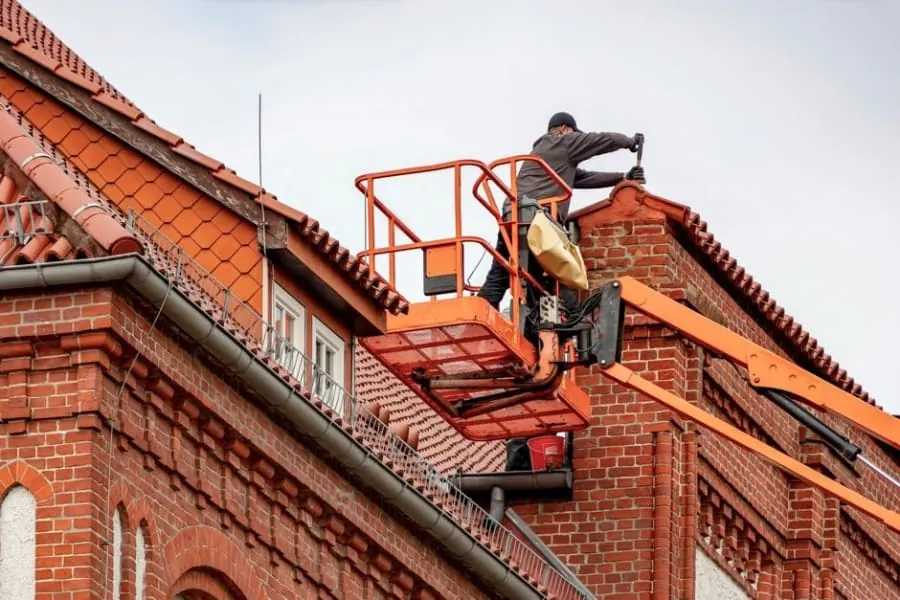
The grey area is a full re-roof using the same material. On an unprotected house that’s straightforward permitted development. In a conservation area with an Article 4 direction, even a same-material re-roof on a road-facing elevation can need a nod from the council, because the direction removed the right to do it freely. When the answer isn’t obvious, a quick pre-application enquiry to North Yorkshire Council’s conservation team is far cheaper than getting it wrong.
Materials that keep you compliant
In most of Harrogate’s protected areas, staying compliant is really about matching what’s already there. That usually means natural slate on the Victorian and Edwardian villas, and in older stone-built properties and the surrounding Dales villages, traditional stone slate quarried from the same gritstone as the walls.
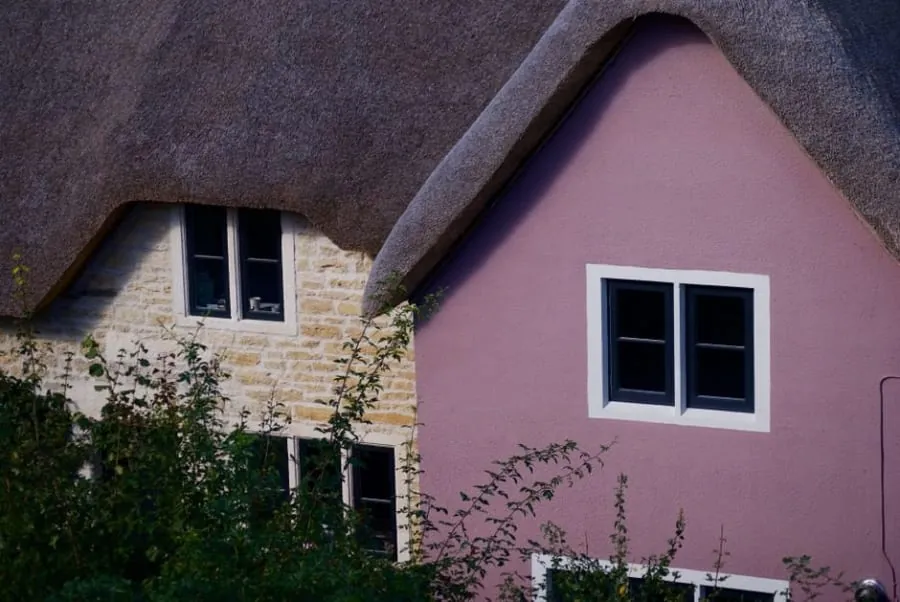
Concrete tiles are cheaper, but they rarely satisfy a conservation officer on a period roof, and they can look wrong even where they’re technically allowed. If you’re weighing up your options, our guide to choosing the right roofing material for a Harrogate home breaks down slate, stone slate and clay in more detail. For a full replacement, the roof replacement service page covers how the process works from survey to handover.
How to check before you start
Five minutes of checking saves a lot of grief.
Before you commit to a re-roof:
- Find out if your home is in a conservation area or has an Article 4 direction. North Yorkshire Council holds the maps and can confirm.
- Check whether the building is listed using the National Heritage List for England.
- If either applies and you’re changing anything about the roof’s appearance, contact the council’s conservation team before you start. A pre-application enquiry gives you an answer in writing.
- Use a roofer who has worked in Harrogate’s conservation areas before and understands what officers expect.
Doing the checks doesn’t slow a legitimate re-roof down by much. What it does is remove the risk of being told, halfway through or after the fact, that the work has to come off and go back on in a different material.
Frequently Asked Questions
Do I need planning permission to replace my roof in Harrogate?
For most homes, no - a like-for-like replacement using the same material is permitted development. But if your property is in one of Harrogate’s conservation areas, has an Article 4 direction, or is listed, you may need planning permission or listed building consent, especially if the material or appearance of the roof is changing.
How do I find out if my Harrogate home is in a conservation area?
North Yorkshire Council (which took over from Harrogate Borough Council in 2023) holds the conservation area maps and Article 4 direction details. You can contact their planning and conservation team, who can confirm whether your specific address is affected.
Can I change my roof from slate to tiles in a Harrogate conservation area?
Usually not without permission. Changing the roofing material or profile is exactly the kind of alteration an Article 4 direction controls, particularly on elevations facing a road. In practice, matching the existing material is the reliable route, and a conservation officer will expect a period property to keep its original character.
What happens if I re-roof without the right permission?
You risk an enforcement notice requiring the work to be undone and redone correctly, which is expensive. On a listed building, unauthorised work is a criminal offence. It can also cause problems when you sell, as buyers’ solicitors check that alterations had the right consents.