20 October 2026
Roofers In Skipton: Roof Costs, Stone Slate, Pennine Weather And Who Grants Planning
Most roofs in Skipton fall on one side or the other of 1870. Before then the town roofed itself in thick local stone slates, known in the town as thackstones. After that came thinner slate from Wales and the Lake District, brought in by canal and then by the railway, which reached Skipton in 1847. That date comes from the Skipton Conservation Areas Appraisal from 2008, and it is the quickest way to tell what a roofer will be dealing with on your house. Then add the weather. Skipton sits in the Aire Gap, the low pass through the Pennines, with Skipton Moor and Embsay Moor rising above 300 metres on either side. Rain coming in from Lancashire has a clear run at the town. Planning has its own complications too. Since April 2023 the council you deal with has been North Yorkshire Council, and a few miles up the valley the Yorkshire Dales National Park Authority takes over. Here is how each of those things changes the price and the paperwork.
Is your Skipton roof from before 1870 or after?
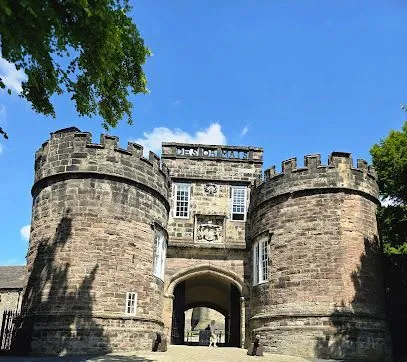
The 2008 appraisal splits the town’s traditional roofing into two groups. Stone slates were used up to about 1870. Lake District or Welsh slate took over after that, and most buildings from the late nineteenth century, especially from around 1875, have it. Christ Church was an early adopter. It was slated in 1839, and the appraisal suggests the slate came by canal to a wharf at Waller Hill, where the bus station is now.
You can usually tell which one you have by looking up from the pavement. Stone slate is thick and brown-grey, and the courses get smaller from the eaves up to the ridge. Welsh slate is thin, even and blue-grey. On the older streets around the High Street, Sheep Street and Newmarket Street you will see both, sometimes on neighbouring roofs. In Middle Town, New Town and the long terraces off Broughton Road and Keighley Road, it is nearly all Welsh slate.
This matters because the two fail in different ways, need different skills and cost very different amounts to put right. Our roof repairs in Skipton cover both. Before anyone prices a job, though, it is worth knowing which kind of roof is over your head.
Thackstones: the heavy roofs of old Skipton
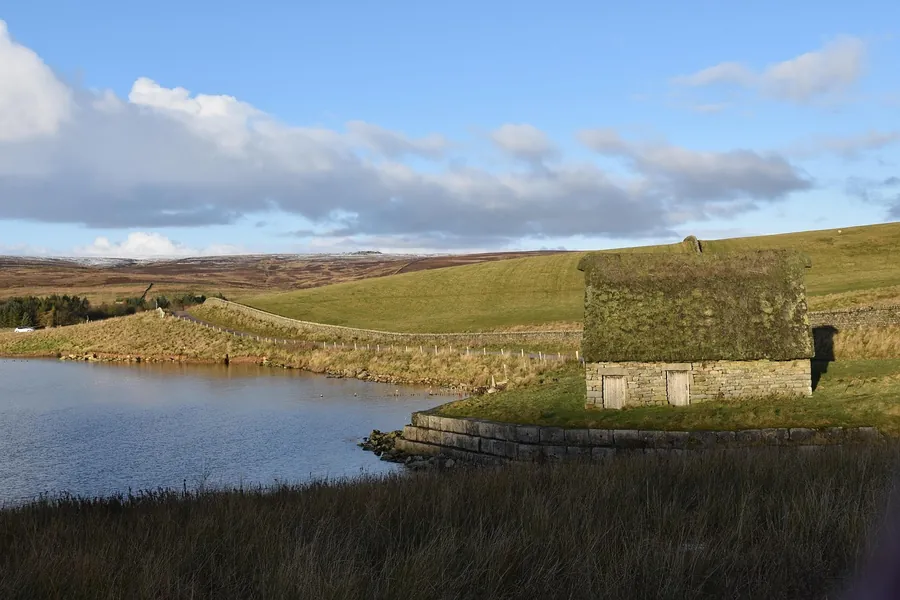
Before stone, some of the town was thatched, probably with heather or rushes, according to the appraisal, though none of it survives. Thackstones were being quarried locally by the sixteenth century for the castle, and by the seventeenth for ordinary houses. The geology gave Skipton plenty to work with. The appraisal lists the Yoredale sandstones, split thin for roofing and usually dug from underground workings, and mudstone flags that were used for everything from dairy shelves to roof coverings.
These roofs are heavy. In the historic core they sit on hardwood frames, typically a cross beam with a king post holding up the ridge, and several of those frames date from the seventeenth and eighteenth centuries. A few houses on Sheep Street and Mill Bridge keep structural timbers from the seventeenth century or earlier. When a stone slate roof starts to leak, the slates are rarely the problem. The usual causes are:
- Oak pegs and old nails that have rotted or rusted through, so slates slide out of their course
- Lime torching underneath that has dropped away, letting wind-driven rain past the laps
- Ridges and verges where the mortar has gone
- Rafters that have spread or sagged under the weight over two or three centuries
The answer is usually to strip the slope, sort and grade every slate by length, repair the timbers, and lay it all back in diminishing courses. A good stone roof can lose very little in the process. Where slates have to be found, reclaimed stone from the area matches far better than anything new. The appraisal itself called for better advice on sourcing traditional stone slates, so the conservation officer will expect them to go back.
Slate by canal and rail: Victorian Skipton’s roofs
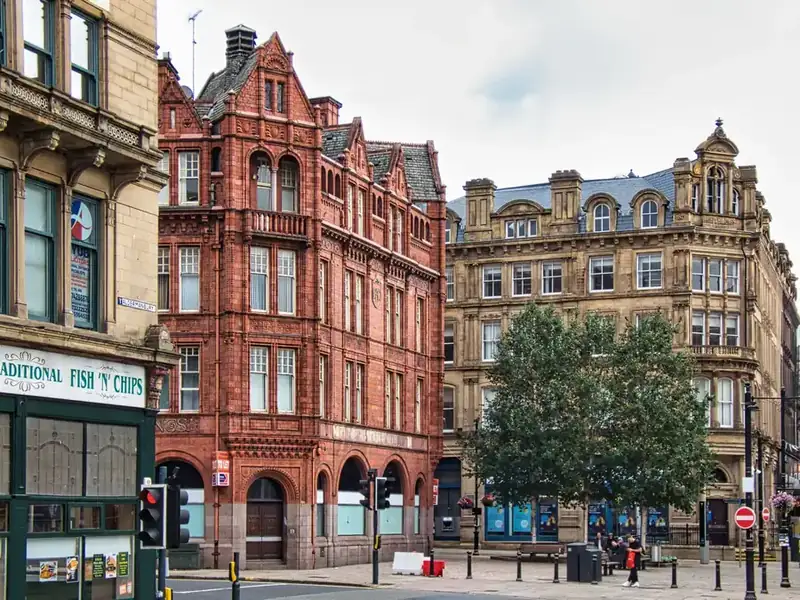
The Leeds and Liverpool Canal reached Skipton on its way to Gargrave in 1773, and the Springs Branch was extended in 1794 to get it closer to the quarries. Then the railway arrived in 1847. Cheap slate and brick could now come in from far away, and Skipton grew south and west into the Victorian streets that now make up most of its housing.
These roofs are lighter and more uniform, but they have quirks of their own. Craven Hall has graduated slates. Number 38 High Street has ornamental cut slates. Bigger Victorian roofs were often pitched steeper and finished with cast-iron cresting along the ridge, and the Fattorini Building on Caroline Square is the one people point to. If yours has any of these, they are worth keeping, and a decent roofer will price to save them.
There is also a detail the street view hides. Brick came up the canal from Burnley after 1794 and by rail after 1849. From the 1870s it was used in large quantities for internal walls and chimney stacks in terraced housing. So a stone-fronted terrace can have brick chimneys, and brick weathers differently from the gritstone around it. On these houses the stack is often the first thing to need work: open joints, a cracked flaunching or a lead flashing that has lifted.
Dormers are the other thing to look at. The appraisal points to well-designed original dormers on Bright Street, Carleton Road and Keighley Road, and it criticises the wide, flat-roofed dormers of the twentieth century seen on Greenfield Street, Midland Street and elsewhere. If you are thinking about a loft room, that tells you which kind is likely to get approved.
The Aire Gap: what Pennine weather does to a roof
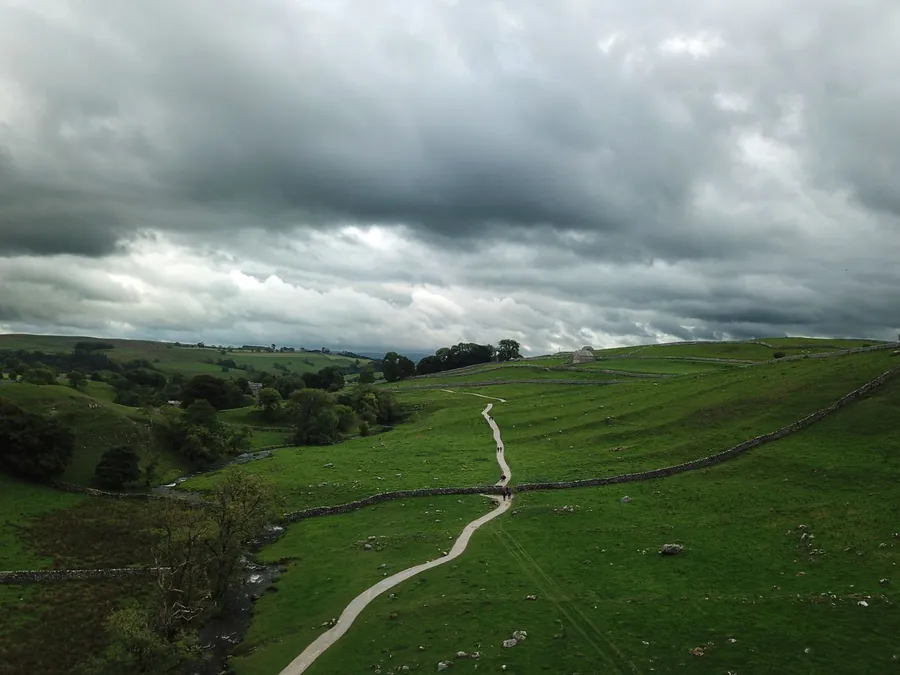
Harrogate sits on the drier, eastern side of the Pennines. Skipton is right in the gap. The Aire valley is the lowest crossing between Lancashire and Yorkshire, and weather coming from the west and south-west follows it straight to the town. So Skipton gets more rain than we do in Harrogate, and more of it arrives sideways.
Three things follow from that. Driven rain goes looking for gaps, so failed torching on a stone roof, or a slipped slate on a gable end facing west, will let in water much sooner than it would on a sheltered roof. Wet winters followed by frost break up soft mortar on ridges and chimney tops, and the appraisal notes that a lot of the town’s original lime mortar has already been lost to poor repointing. And roofs that stay damp grow moss and lichen fast. That holds water against the slates and lifts the bottom edges.
A Skipton roof is not doomed because of any of this. It does mean repairs are worth doing in late summer or early autumn, before the weather turns, and that a cheap patch on a west-facing slope tends to come back sooner here than further east.
Who grants permission: North Yorkshire Council or the Park Authority
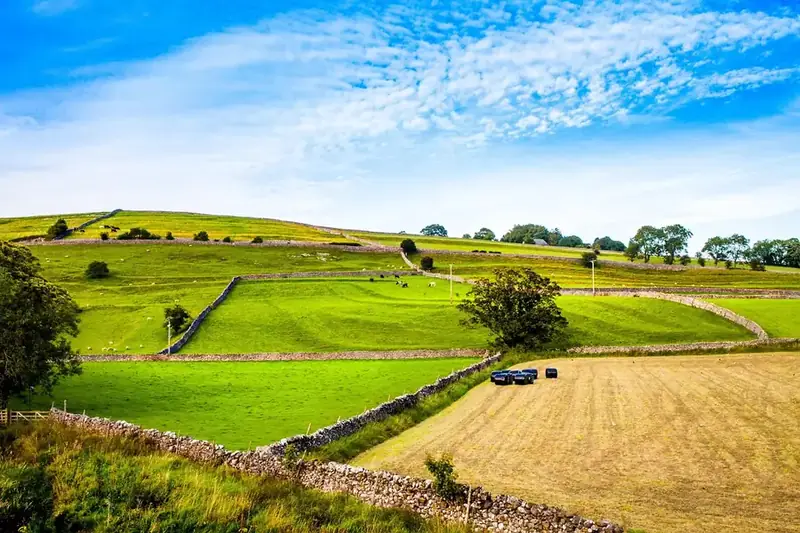
Until April 2023, Craven District Council handled planning in Skipton. It was dissolved that month, and North Yorkshire Council took over its planning, conservation and building control work. The Craven Local Plan 2012 to 2032 still applies to the old district outside the National Park.
Skipton has three linked conservation areas. The core was designated in February 1969 and centres on the High Street. In 1991 the boundary was extended to take in Gargrave Road (Skipton West), Middle Town, New Town and part of Keighley Road (Skipton South), and part of Broughton Road so that the listed railway station was included. North Yorkshire Council says the boundaries have changed again since 2008, and its Craven conservation areas page points to the current maps. There are also two Article 4 Directions in the town. One from 1987 covers walls and gates on the High Street. One from 1995 removes the right to paint the outside of buildings on Mill Bridge, the High Street, Sheep Street, part of Victoria Square, Swadford Street and Newmarket Street.
Like-for-like roof repairs need no permission. Inside a conservation area, though, dormers and some other roof changes do, and on a listed building any change of material needs listed building consent.
Go a few miles north and the rules change. Around two-thirds of the old Craven district lies inside the Yorkshire Dales National Park, including villages such as Grassington and Malham, and there the Park Authority is the planning authority. Its planning FAQs from the Yorkshire Dales National Park Authority explain its permitted development enquiry service. They also say that an application involving replacing or removing a roof may need a bat survey. If you are not sure which side of the line you are on, ask before the scaffold goes up.
What roof work costs in Skipton in 2026
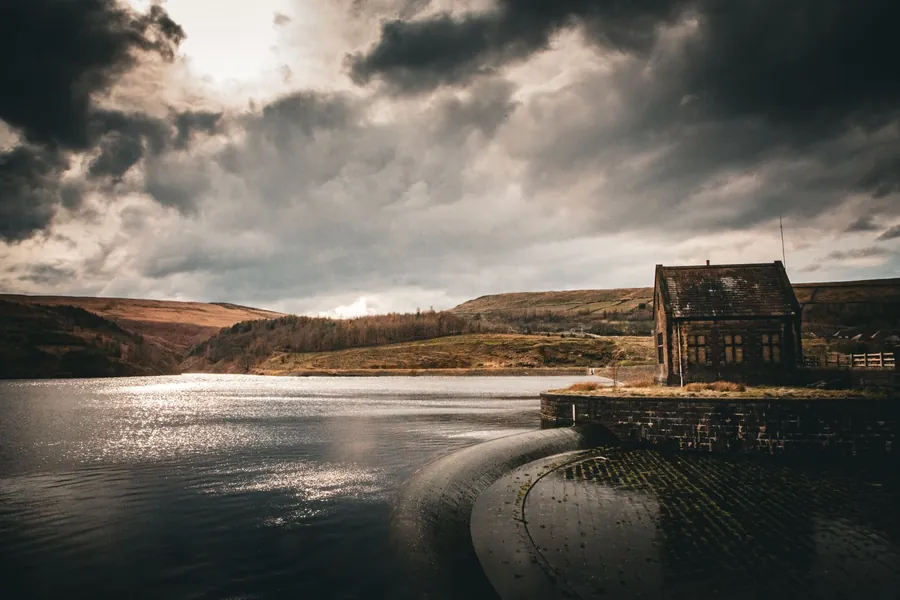
We charge the same day rate in Skipton as in Harrogate. The price changes with the type of roof, the access and how much timber needs attention once the covering is off. These are guide figures only. Nobody can give you a firm number until they have been up on the roof.
- Re-fixing a handful of slipped Welsh slates on a terrace: £150 to £400, more if the roof can only be reached from a busy pavement
- Rebuilding or repointing a brick or stone chimney stack, with new lead: £800 to £2,500 depending on height and condition
- Re-bedding a ridge or verge in mortar: £400 to £1,000
- Re-slating a two-up two-down terrace in Middle Town or New Town: £7,500 to £12,000, with reclaimed slate costing less than new where it matches
- Stripping and re-laying one slope of thackstones: £6,000 to £12,000, mostly depending on how many slates need replacing and the state of the timbers
- A full stone slate re-roof on a small period house: £18,000 to £35,000
- Scaffold for a full re-roof: £700 to £1,600, more if it needs a licence and a covered walkway on the street
Two things push Skipton prices up. Many of the older properties in the yards and ginnels behind the High Street have very little room for scaffold or a skip, so materials get carried in by hand. And on stone slate roofs the timbers are the unknown: one rotten wall plate or spread rafter can add several hundred pounds once the slates are off. Any honest quote should say how that will be handled.
Getting a quote you can rely on
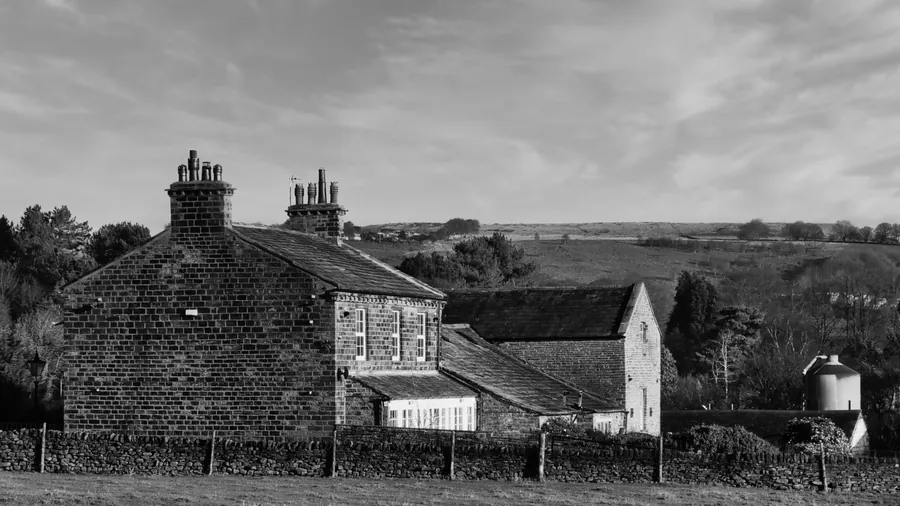
When a roofer comes out to a house in Skipton, here is what to ask:
- Which covering is it, and will it go back the same? Stone slate should go back as stone slate, and Welsh slate as Welsh slate unless there is a good reason.
- What percentage of the old slates do you expect to reuse? On a thackstone roof that number drives the cost more than anything else.
- Is the property listed, in a conservation area or in the National Park? A good roofer will check before quoting, not after.
- What happens if the timbers are worse than expected? Ask for a rate per rafter or per metre of wall plate written into the quote.
- Is the chimney included? On a Victorian terrace the stack is often brick behind a stone front, and it may need work even if the slates are fine.
We are on Whinney Lane in Harrogate, and Skipton is a straight run along the A59. If your house is on the other side of the moor in Wharfedale, our guide to roof costs, moorland weather and Bradford planning in Ilkley and Burley-in-Wharfedale covers the same ground for those towns.
When you are ready, ask us for a free roof survey in Skipton. We will go up, look properly, and give you a written price.
Frequently Asked Questions
Who deals with planning for roof work in Skipton now?
North Yorkshire Council. Craven District Council was dissolved in April 2023 and its planning, conservation and building control work passed to the new unitary council. Skipton itself sits outside the Yorkshire Dales National Park, but if your property is inside the park boundary, as Grassington and Malham are, the Yorkshire Dales National Park Authority is the planning authority instead.
How do I know if my Skipton house is in a conservation area?
Skipton has three linked conservation areas. The core, centred on the High Street, was designated in February 1969. A 1991 review added Gargrave Road as Skipton West, Middle Town, New Town and part of Keighley Road as Skipton South, and part of Broughton Road around the station. Boundaries have moved since the 2008 appraisal, so check the current line on the Craven Local Plan policies map or ask North Yorkshire Council.
Can I swap the stone slates on my Skipton cottage for something lighter?
Speak to the council first. On a listed building, any change of roof covering needs listed building consent. Inside a conservation area, a new covering that changes how the house looks can need planning permission, and the 2008 Skipton appraisal names concrete roof tiles as one of the materials that harm the town’s character. Re-laying the original stone slates, topped up with reclaimed ones, is nearly always the easier route.
Why are the chimney stacks on some Skipton terraces brick when the walls are stone?
Brick came into the town by canal from Burnley after 1794 and by rail after 1849, and from the 1870s a lot of it went into the internal walls and chimney stacks of terraced houses. So a stone-fronted Victorian terrace can have brick stacks that were rendered or never meant to be seen. Brick and gritstone weather differently, which is why the stack often needs repointing or rebuilding before the stone around it does.