
27 July 2026
Redundant Chimneys in Harrogate: Should You Repair, Cap or Remove?
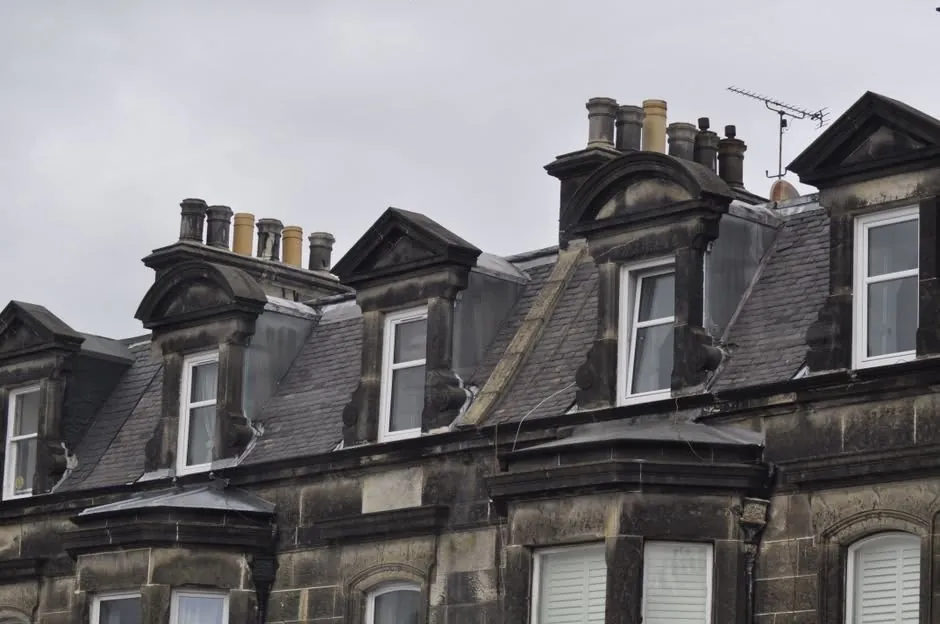
Walk down almost any Victorian street in Harrogate and count the chimney stacks - there are far more of them than anyone still burns coal. The town was built in an age when every room had a fireplace, so its period houses carry tall, multi-pot stacks that central heating quietly made redundant decades ago. The trouble is that a chimney doesn’t stop needing attention just because you’ve stopped using it. Sitting up there in the weather, an unused stack is often the most exposed and least maintained part of the whole roof. Eventually every owner of a period Harrogate home faces the same three-way choice: repair it, cap it, or take it down. Here’s how to decide, what each option costs, and the rules - building regs, party wall, conservation - that you genuinely can’t skip.
Why Harrogate has so many chimneys doing nothing
It comes down to when the town was built. Harrogate boomed as a Victorian and Edwardian spa resort, and the housing that went up then - the tall villas, the long terraces, the semis - was designed around open fires as the only source of heat. A single house might have a fireplace in every bedroom as well as the living rooms, each needing its own flue, which is why the stacks are so big and carry so many pots.
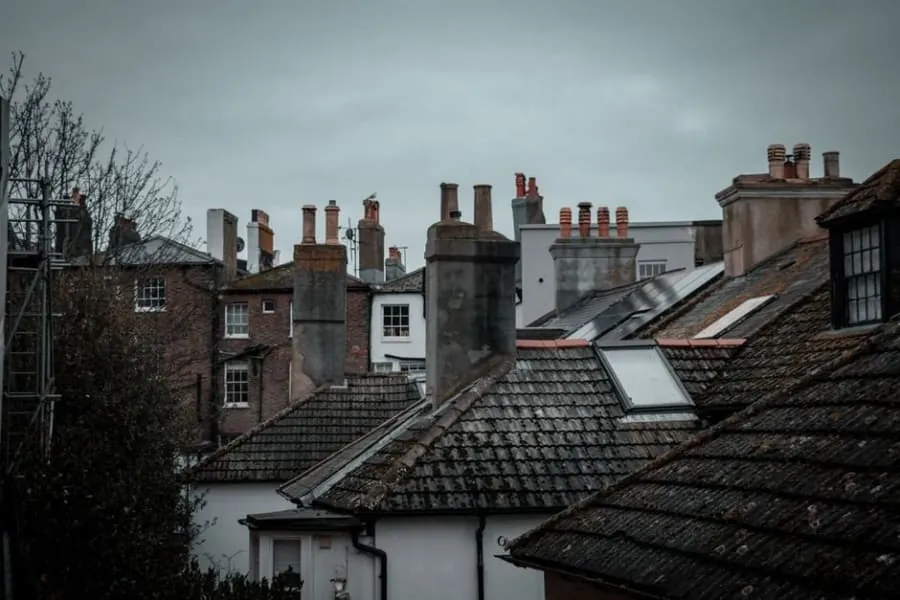
Then came central heating, and one by one the fires went cold. The flues were bricked up or simply abandoned, but the stacks stayed exactly where they were. Today a huge share of Harrogate’s period homes have at least one chimney that hasn’t seen smoke in forty years, still standing tall against the Yorkshire weather with no job left to do.
The trouble with just leaving it alone
Doing nothing feels like the free option. It isn’t. A chimney stack is the highest, most weather-beaten part of the roof, and when it stops being used it usually stops being maintained too - which is exactly when it starts to fail.
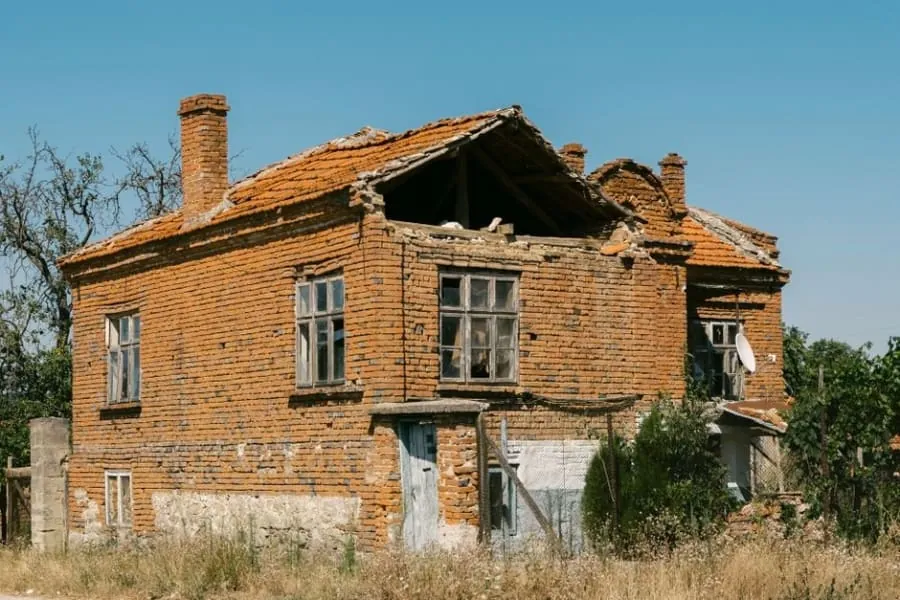
The mortar joints erode, the flaunching that holds the pots cracks, and the flashing where the stack meets the roof lifts and lets water in. On Harrogate’s exposed higher streets the wind does the rest. A neglected stack leaks into the roof space, stains the chimney breast inside, and in a bad case sheds masonry. Left long enough, a repair that would have cost a few hundred pounds becomes a rebuild costing several times that. So even if you never light a fire again, the stack forces a decision.
Option 1: Repair and keep it
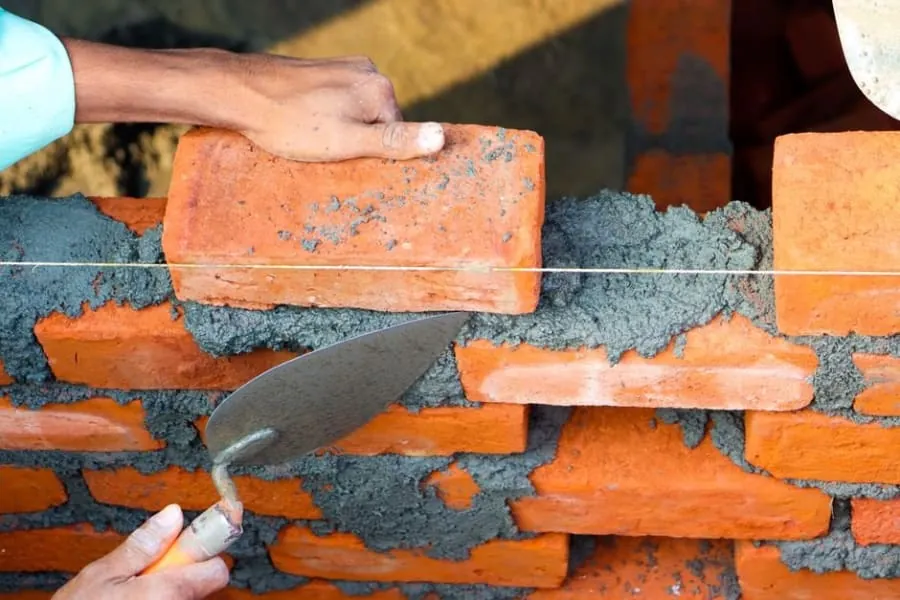
The simplest route, and often the best on a period property, is to keep the stack and put it back in order. That means repointing the eroded joints, renewing the flaunching around the pots, and redressing or replacing the flashing where it meets the roof. A vented cap or cowl on each pot then keeps rain out while letting the flue breathe.
The big advantage in Harrogate is character. On a Victorian villa or a conservation-area terrace, the chimneys are part of the roofline the whole street shares, and keeping them preserves the look - which matters if you’re in one of the town’s protected areas, where taking a stack down may not even be allowed. Cost-wise this is usually the cheapest lasting fix, typically a few hundred pounds up to a couple of thousand depending on the state of the stack and the scaffold access. Our chimney repairs service covers exactly this work, and there’s more detail in our guide to Harrogate’s ageing chimneys.
Option 2: Cap it and leave it standing
If the stack is sound but you’re certain you’ll never use the fires, capping is a middle path - you keep the chimney for the roofline but seal it against the weather. The key word, though, is ventilation. Cap a flue completely airtight and you trap moisture inside it, which shows up as damp patches on the chimney breast a few winters later.
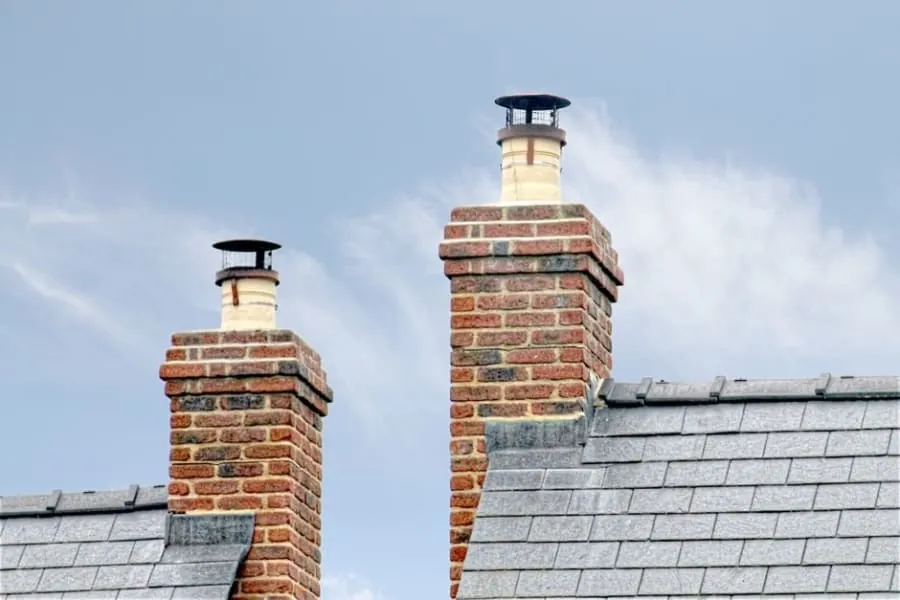
Done properly, capping means a vented cap or hood at the top and an airbrick at the bottom of the flue, so a gentle current of air keeps the whole thing dry. It’s an inexpensive job, usually in the low hundreds per pot, and it stops the rain without changing how the house looks from the street. For a redundant but structurally fine stack on a Harrogate period home, capping with ventilation is frequently the sensible, low-fuss answer.
Option 3: Remove it
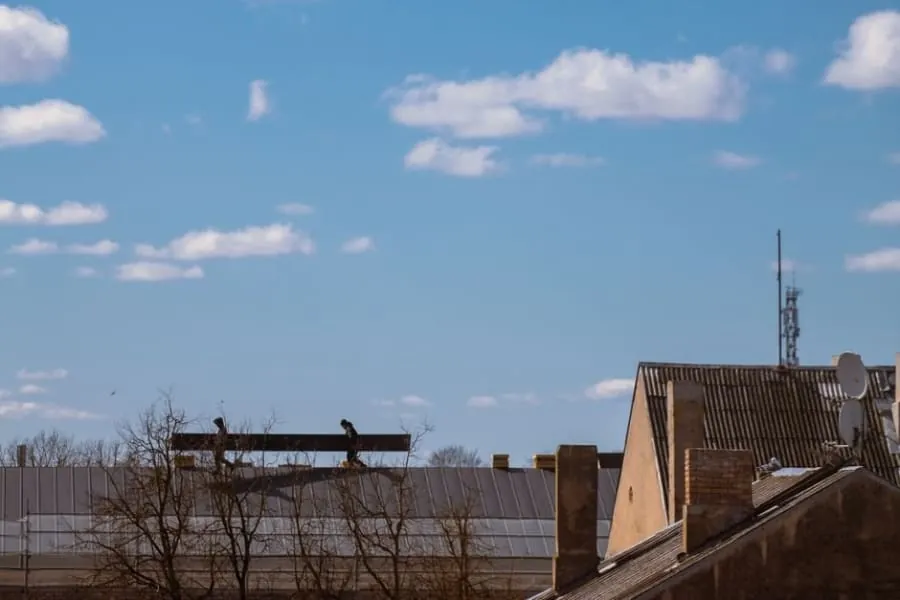
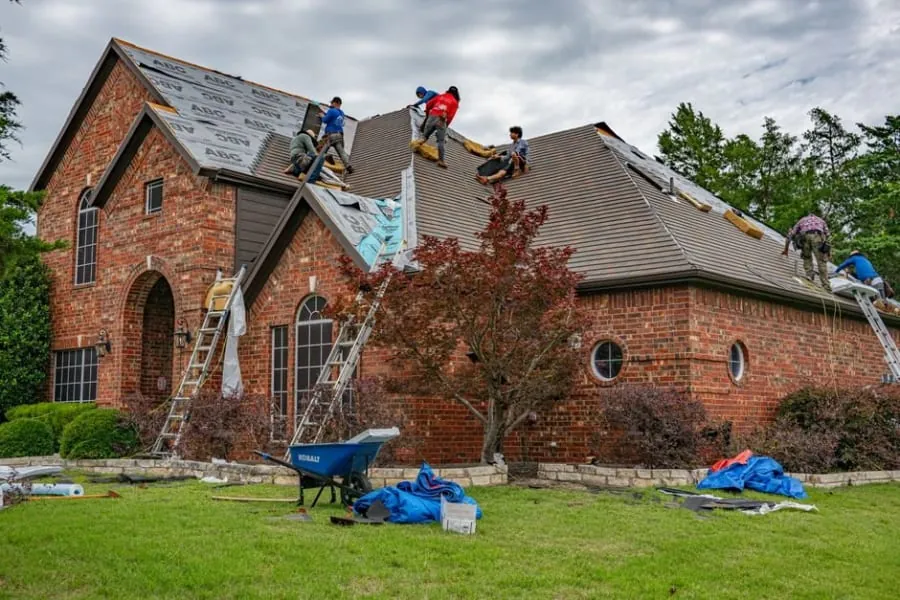
Taking the chimney down is the biggest job, and it comes in two very different sizes. Removing just the stack above the roofline is roofing work: scaffold up, take the masonry down, and make the roof good where the stack came through, usually re-tiling or re-slating the gap. On its own that’s a manageable job, often in the region of one to three thousand pounds with the scaffold.
Removing the chimney breast inside the house is a different thing entirely - that’s structural work, not just roofing, because the breast helps carry the load above it. It needs a steel beam or gallows brackets designed by a structural engineer, and it triggers the rules in the next section. Removal gains you space and ends the maintenance for good, but on a period Harrogate home it also changes the character and may be restricted, so it’s the option to think hardest about before committing.
The rules you can’t skip
This is where removal in particular gets serious, and where cutting corners causes real problems later - not least when you come to sell and a buyer’s solicitor asks for the paperwork.
Removing a chimney breast is not optional under building regulations - you need approval, and a structural engineer’s calculations and drawings to support it. If the chimney sits on a party wall, which it very often does on Harrogate’s terraces and semis, the Party Wall Act applies: you must serve notice on your neighbour and reach a party wall agreement before work starts, and for shared structures that means giving at least two months’ notice. On top of that, if you’re in a conservation area or the house is listed, removing a stack that’s visible from the street may need planning consent and can simply be refused - our guide to planning permission and conservation areas in Harrogate explains where those lines fall. None of this applies to repairing or capping, which is part of why those routes are so often the practical choice here.
So which is right for your house?
Work back from the stack’s condition and your situation. If the chimney is sound and you might ever want a fire or a wood burner, repair it and keep your options open. If it’s sound but definitely finished with, cap it with proper ventilation and forget about it - cheap, tidy, and it keeps the roofline intact. Repair or cap also sidesteps the building regs and party wall hurdles entirely.
Removal earns its place when the stack is genuinely beyond economic repair, or when you want the internal space and the house isn’t in a protected setting. Even then, taking just the above-roof stack down is far simpler than removing the breast inside. On most of Harrogate’s period homes, and especially in its conservation areas, keeping and maintaining the chimney is the path of least resistance - and the one that protects the character that makes the town’s streets look the way they do. If you’re not sure which camp your stack falls into, a roofer can tell you in a single visit.
Frequently Asked Questions
Do I need to do anything with a chimney I no longer use in Harrogate?
Yes. An unused stack is still the most exposed part of your roof, and once it stops being maintained the mortar, flaunching and flashing decay and let water in. Your options are to repair and keep it, cap it with ventilation, or remove it. Doing nothing simply turns a cheap repair into an expensive rebuild later.
Can I remove a chimney stack in a Harrogate conservation area?
Often not, at least not one visible from the street. Chimneys are part of the shared roofline conservation areas exist to protect, so removing a street-facing stack may need planning permission and can be refused. Repairing or capping the stack keeps it compliant. Check whether your home is in one of Harrogate’s conservation areas before planning any removal.
Is it better to cap or remove a redundant chimney?
Capping is usually cheaper, simpler and avoids building regulations and party wall requirements, while keeping the roofline intact - ideal for a sound stack you no longer use. Removal makes sense only when the stack is beyond economic repair or you need the internal space, and it brings structural work, approvals and, in conservation areas, possible restrictions. Cap unless there’s a strong reason to remove.
Does capping a chimney cause damp?
Only if it’s done wrong. Sealing a flue completely airtight traps moisture and causes damp on the chimney breast. Correct capping uses a vented cap at the top and an airbrick at the base so air can move through and keep the flue dry. Always have a redundant chimney capped with ventilation, never sealed shut.