
30 July 2026
Dry Ridge and Dry Verge Systems: Why Harrogate Roofs Are Ditching Mortar
If you’ve ever had a ridge tile slip in a gale, or watched a roofer chip crumbling mortar off the top of your roof every few years, there’s a better way - and since 2014 it’s been the way the rules point to. Dry ridge and dry verge systems fix ridge, hip and gable tiles mechanically, with clamps and screws instead of a bed of mortar. That matters more in Harrogate than in a lot of places. Sitting high and exposed on the edge of the Pennines, the town’s roofs take wind and hard frost that chew through mortar bedding in a handful of years, not decades. This guide explains what dry fix is, why mortar keeps failing here, what the British Standard now requires, and when it’s worth switching your roof over.
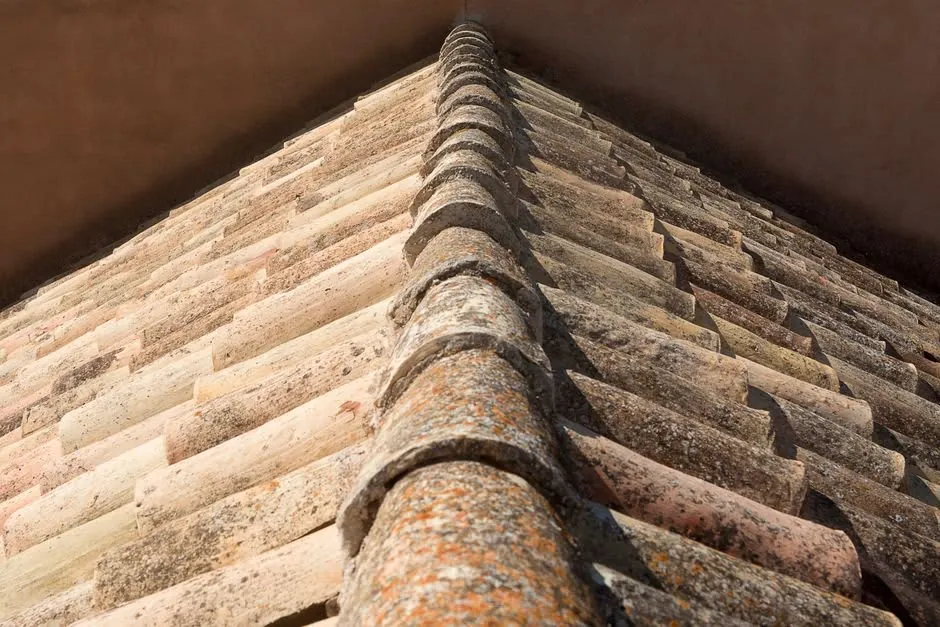
What “dry ridge” and “dry verge” actually mean
Both are ways of holding tiles down without mortar. The ridge is the horizontal line along the very top of the roof where the two slopes meet; the hips are the sloping ridges on a hipped roof; the verge is the edge of the roof at a gable end. Traditionally, the tiles along all three were bedded in mortar - a wet, skilled job that looks neat on day one and starts breaking down from day two.
A dry ridge system replaces that mortar with a mechanical fix: each ridge tile is screwed or clamped down onto a ventilated roll, so it’s held by metal and plastic rather than by cement. A dry verge does the same at the gable, with clip-on units that cap the tile ends and grip them against the wind. No mortar, no cracking, no re-pointing every few winters.
Why mortar keeps failing on Harrogate roofs
Mortar has one job at the top of a roof and it’s bad at it long-term. It’s a rigid material stuck to tiles that expand, contract and move a little with every temperature swing, so it cracks. Once it cracks, water gets in behind it, and then Harrogate’s winters take over.
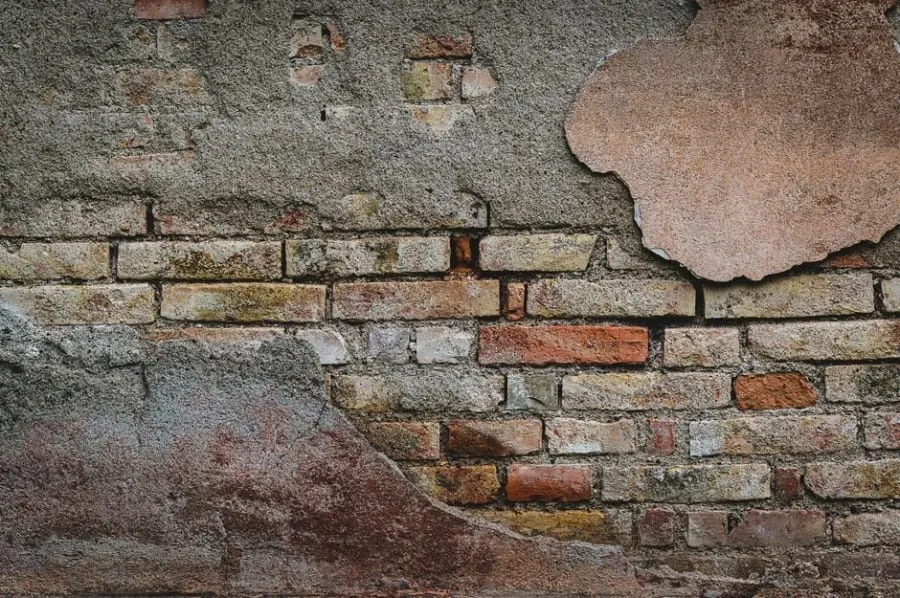
The freeze-thaw cycle is the killer. Water soaks into a hairline crack, freezes overnight, expands, and levers the crack wider - repeat that a few dozen times over a Yorkshire winter and solid mortar turns to crumbs. Then there’s the wind. On the higher, exposed streets around town, gusts get under a loose ridge tile and lift it, and a mortar-only bed has nothing mechanical holding it down once the bond fails. The result is the thing every local roofer sees constantly: slipped ridge tiles after a storm, and mortar that needs re-pointing far sooner than anyone expects.
The rule that changed the roofline: BS 5534
This isn’t just a manufacturer’s sales pitch - it’s in the standard. BS 5534, the British Standard code of practice for roof slating and tiling, was revised in 2014, and the headline change was mechanical fixing. Ridge, hip and verge tiles now have to be mechanically fixed, not just bedded in mortar. Even where mortar is still used for looks, a mechanical fix has to go with it.

A newer standard, BS 8612, sets out how dry-fix ridge, hip and verge systems are tested against wind loads, and it now feeds into BS 5534 too. The practical meaning for a Harrogate homeowner is simple: if your roof is being re-covered or the ridge is being redone, a compliant job uses mechanical fixing. The Roof Tile Association’s guide to the dry-fix standard is a good plain-English summary, and any qualified roofing contractor will work to it as standard.
How a dry ridge system works
It’s cleaner than it sounds. A roll of ventilated material is laid along the ridge line over the top of the tiles, fixed down to the timber ridge board. This roll seals against rain and lets air out of the roof (more on that shortly). The ridge tiles then sit on top and are screwed down through a bracket or clamped, each one mechanically anchored.
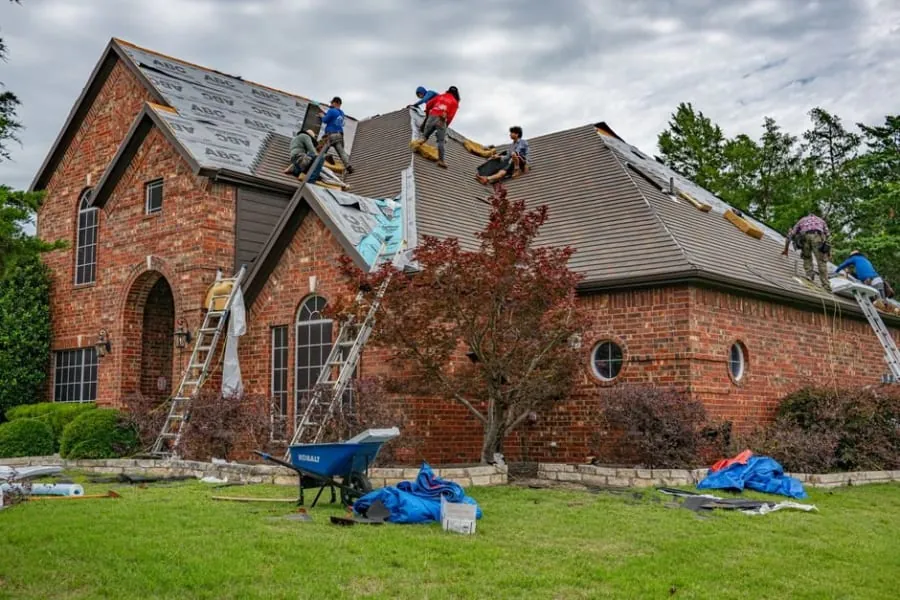
Because nothing relies on a bond that can crack, the ridge stays put through wind and frost that would have wrecked a mortar bed. There’s no re-pointing to budget for down the line, and a well-fitted dry ridge routinely lasts decades without attention. On an exposed Harrogate roof, that’s the difference between a job done once and a recurring maintenance bill.
Dry verge: the gable-end upgrade
The verge - the sloping edge at a gable end - is the other classic mortar failure point, and dry verge units solve it neatly. These are interlocking plastic caps that clip over the ends of the tiles along the edge, screwed to the batten underneath.
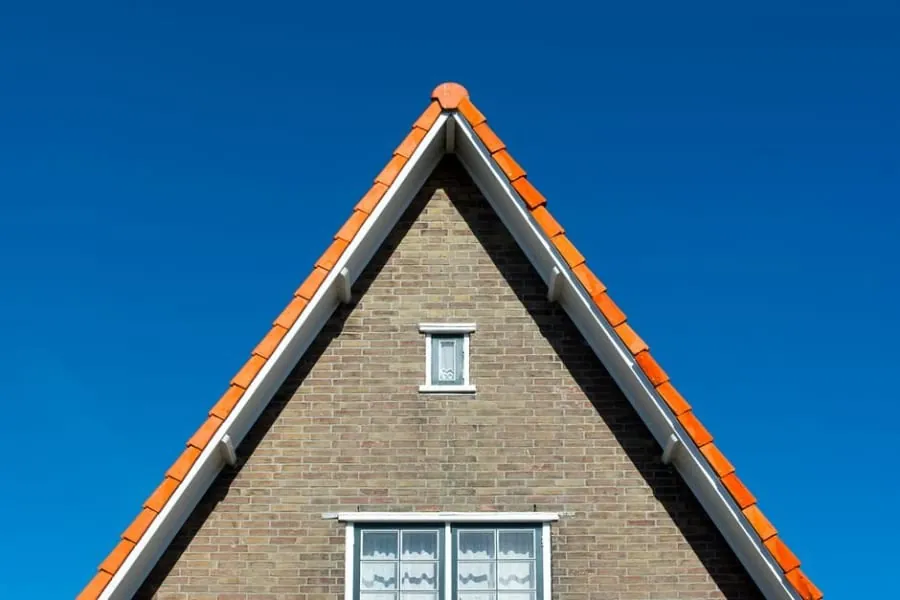
They do more than stop the mortar cracking. A capped verge gives the wind nothing to get under, which matters at a gable that catches the full force of a westerly, and it also closes the gap that birds and wasps love to nest in. They come in colours to match common tiles, so the finish is tidy. On a re-roof or a repair to a mortared verge that’s failed, dry verge is almost always the sensible replacement.
What it costs, and when to do it
The economics are straightforward. Fitting dry ridge and verge is cheapest as part of a re-roof, because the scaffold is already up and the ridge is off - adding a dry system at that point is a small extra on a big job. Retrofitting to an existing roof means hiring access just for the ridge, so it costs more as a standalone, but it’s still worth it if your mortar is crumbling and you’re tired of paying for re-pointing.

As a rough guide, re-ridging a typical house with a dry system runs from several hundred pounds up to a couple of thousand, depending on the length of ridge and hips and the scaffold needed. Set against the cost of re-pointing every few years - and the risk of a slipped ridge tile letting water into the roof - it pays for itself. If your ridge is already being repaired, our ridge tile repair guide is worth a look, and our roof repairs team fits dry systems as a matter of course.
The bonus: better ventilation
Here’s the part that surprises people. A dry ridge system doesn’t just hold tiles down - the ventilated roll it sits on lets warm, moist air escape from the top of the roof space. That’s real value on top of the weatherproofing, because poor roof ventilation is behind a lot of the loft condensation and black mould that plague Harrogate homes in winter.
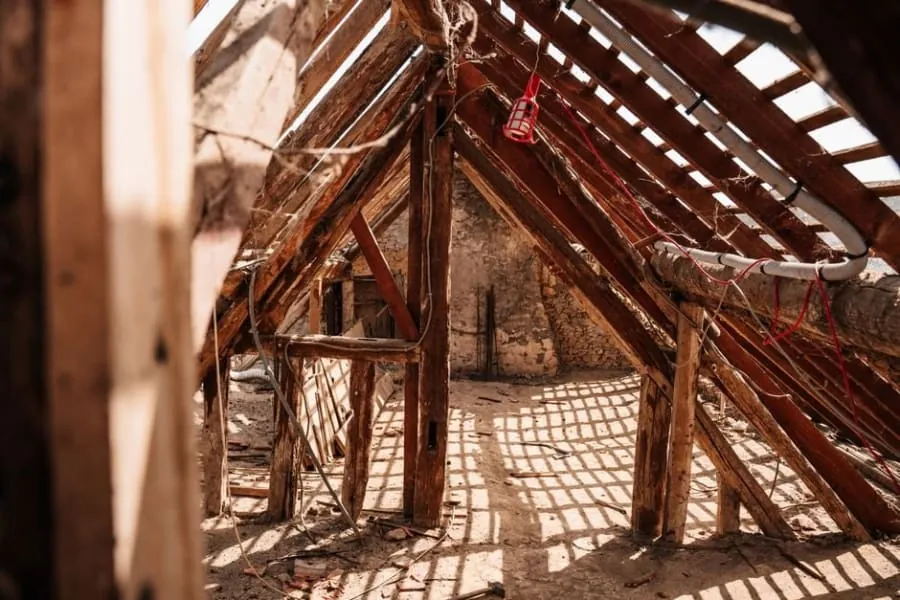
Switching to dry ridge as part of a re-roof gives you high-level ventilation almost for free, working with the vents at the eaves to move air through the loft. We’ve covered the damp side of this in detail in our guide to loft condensation and roof ventilation in Harrogate. If you’re re-roofing anyway, doing dry ridge and sorting ventilation together is the efficient way to get both.
Frequently Asked Questions
Is a dry ridge system better than mortar in Harrogate?
For an exposed town like Harrogate, yes. Mortar cracks under freeze-thaw and gets lifted by wind, so it needs re-pointing every few years and ridge tiles slip after storms. A dry ridge system fixes each tile mechanically, so it stays put through wind and frost, needs no re-pointing, and lasts decades. It also adds roof ventilation. Since 2014, mechanical fixing is required by BS 5534 anyway.
Do I have to use mechanical fixing on my ridge tiles?
Under BS 5534, revised in 2014, ridge, hip and verge tiles must be mechanically fixed, not held by mortar alone. Even if mortar is used for appearance, a mechanical fix has to accompany it. So any compliant re-roof or ridge replacement in Harrogate will use dry fix or mortar-plus-fixing - mortar on its own no longer meets the standard.
How much does a dry ridge system cost?
Re-ridging a typical house with a dry system usually costs from several hundred pounds up to around two thousand, depending on the length of the ridge and hips and the scaffold required. It’s cheapest fitted during a re-roof when the scaffold is already up. Against repeated re-pointing costs, it usually works out cheaper over the life of the roof.
Can dry verge be fitted to my existing roof?
Yes. Dry verge units can be retrofitted to an existing tiled roof, replacing failed mortar at the gable edges. It’s a common upgrade when the verge mortar has cracked and started letting wind or water in, and it removes the need for that mortar ever to be repaired again.