14 August 2026
How Long Does a Roof Last in Harrogate? Roof Lifespan by Material
Ask a Harrogate roofer how long a roof lasts and the honest answer is: it depends entirely on what it’s made of. A natural slate roof can outlive the people who paid for it, comfortably passing a hundred years. A cheap felt flat roof might not see its fifteenth birthday. In between sit clay tiles, concrete tiles and modern flat-roof systems, each with its own lifespan and its own way of ageing. And here in Harrogate, sitting high and exposed on the edge of the Pennines, the local climate quietly trims years off all of them. This guide runs through how long each roof type really lasts, which parts give out first, how the town’s cold, wet weather shortens the numbers, and how to tell when yours is genuinely near the end rather than just needing a repair.
Natural slate: the Harrogate benchmark
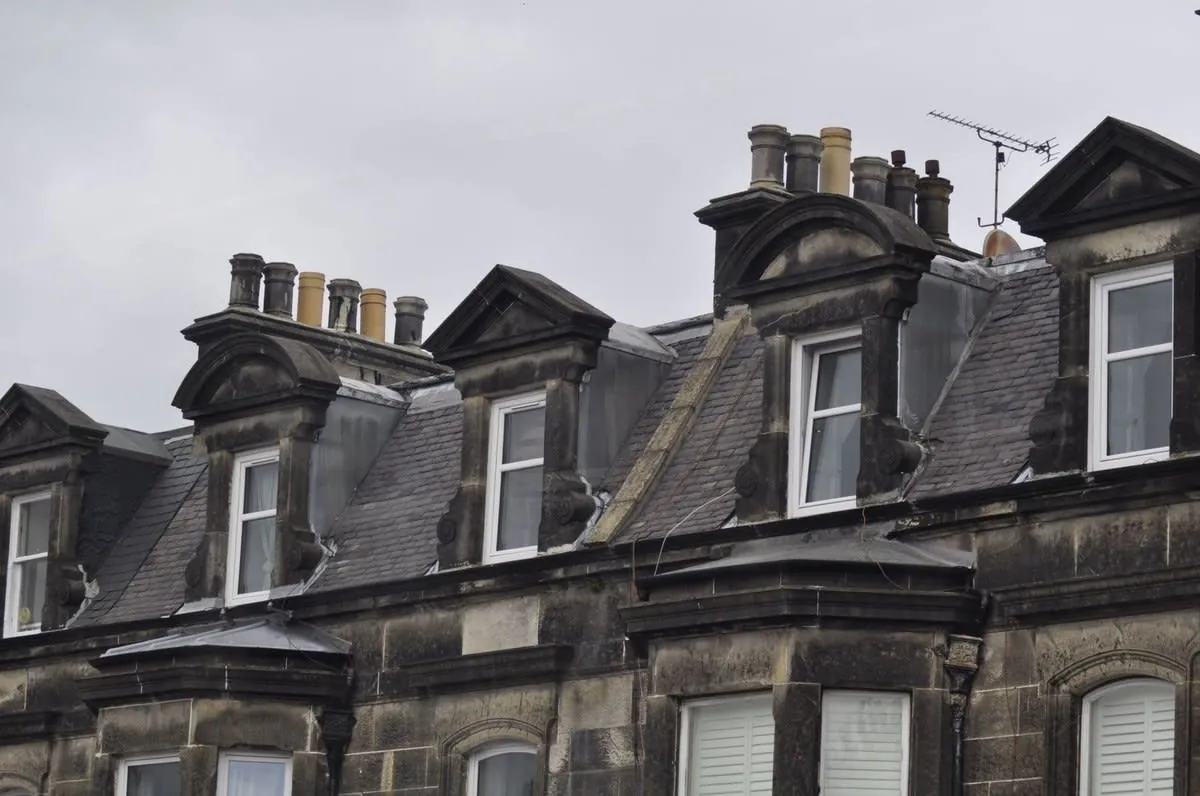
Natural slate is the longest-lasting roof covering you’ll find on a Harrogate house, and the town has a lot of it. Laid properly, a slate roof lasts 80 to 100 years, and it’s genuinely common for the Victorian and Edwardian slate roofs across the town to be past a century and still sound. The slate is a stone; it doesn’t rot, rust or degrade in any hurry.
What actually ends a slate roof’s life is rarely the slate. It’s the fixings and the details around it. The iron or steel nails holding each slate corrode and weaken over decades - roofers call it “nail sickness” - and slates start slipping even though they’re perfectly good. The lead flashings and the mortar at the ridge and hips wear out on their own timetable. The good news is all of that is repairable, which is why a slate roof is patched, re-nailed and re-flashed many times over its life rather than ripped off. Historic England’s advice on looking after older roofs is a useful read if yours is a period property. If your slate roof is slipping, that’s usually a repair rather than a replacement - our guide to slipped tiles and loose slates explains why.
Clay tiles: a long life with character
Clay tiles are the next longest-lived covering, and you’ll see plenty on Harrogate homes, especially the plain tiles and pantiles common to Yorkshire. A clay tile roof typically lasts 60 to 100 years. Like slate, clay is a fired, stable material that ages slowly, and the handmade tiles on older properties can reach the top of that range.
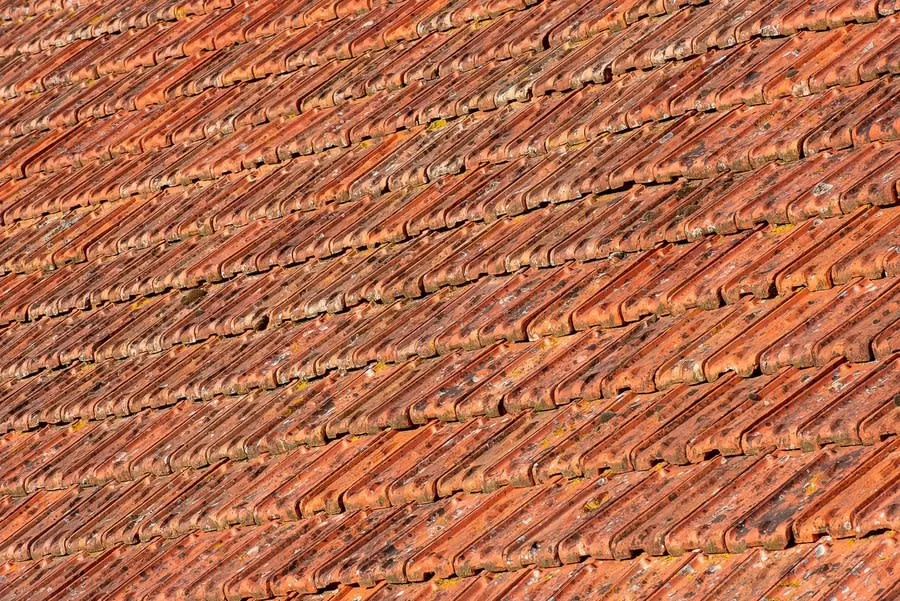
The main enemy of a clay tile in this climate is frost. A well-made, properly fired clay tile shrugs off freeze-thaw, but a poorer or older tile that has become slightly porous can absorb water, then crack when that water freezes and expands on a hard Harrogate night. Individual frost-damaged tiles get replaced as they show up. As with slate, the mortar, flashings and battens usually need attention long before the tiles themselves are spent, so a clay roof tends to be maintained rather than replaced for most of its life.
Concrete tiles: the shortest-lived of the pitched roofs
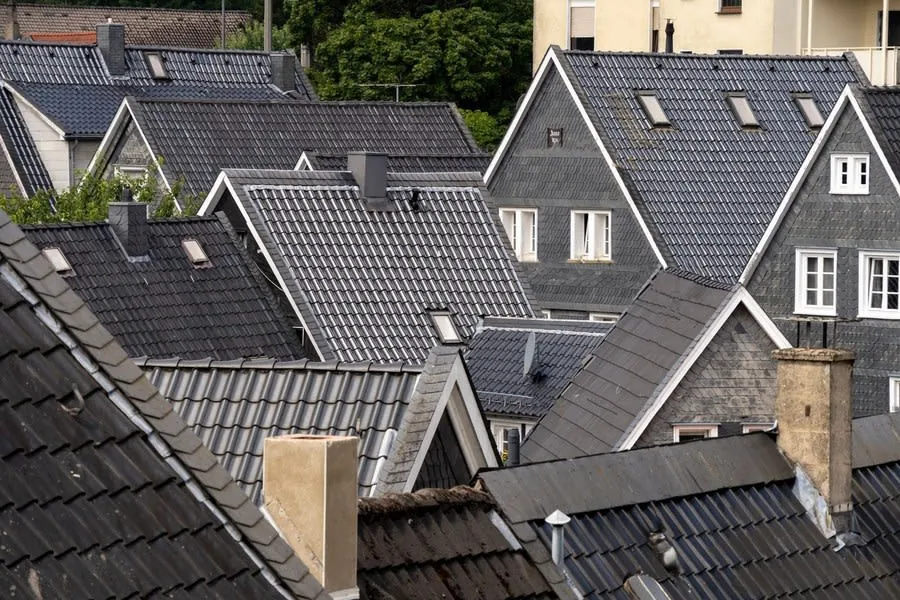
Concrete tiles are the covering on a great many of Harrogate’s post-war and later homes, from the mid-twentieth-century estates onwards. They were cheaper to make and quicker to lay, and they do a solid job - but they don’t last like slate or clay. A concrete tile roof generally lasts 40 to 60 years, and many are now reaching the point where replacement is on the horizon.
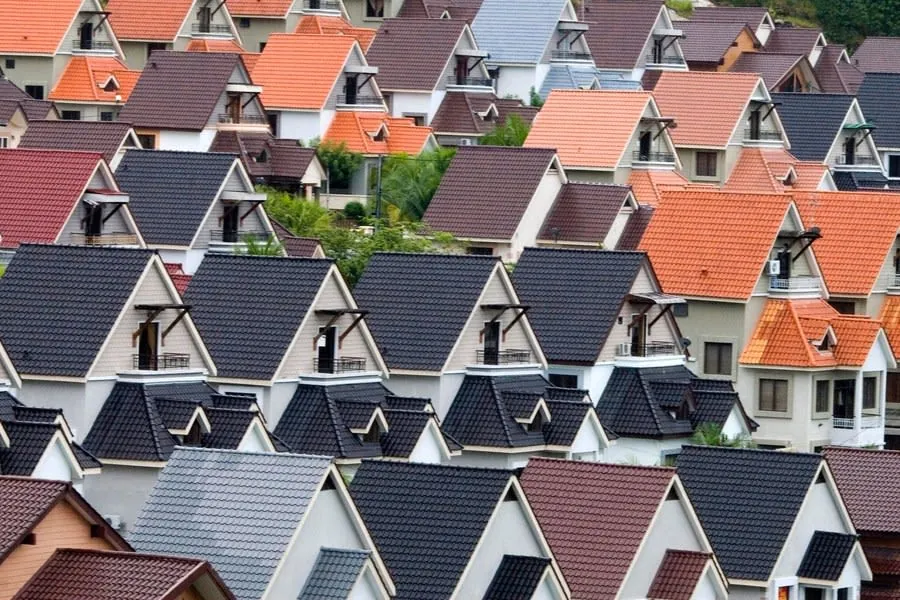
Concrete ages differently from clay. Over the decades the surface coating erodes, the tile becomes porous, and it can grow brittle and start to break down - you’ll often see the tell-tale grit and granules washing into the gutters as the surface goes. A concrete tile roof from the 1960s or 70s that’s never been touched is a prime candidate for assessment now. If yours is that generation and giving trouble, it’s worth reading our guide on how to decide between repair and replacement.
Flat roofs: the widest range of all
Flat roofs are where lifespan varies most, because the word covers several very different systems. Traditional mineral felt - the old three-layer bitumen kind - is the shortest-lived, lasting around 10 to 20 years before it blisters, cracks and lets go. It’s what sits on a lot of older Harrogate extensions, garages and dormers, and it’s why flat roofs have such a poor reputation.
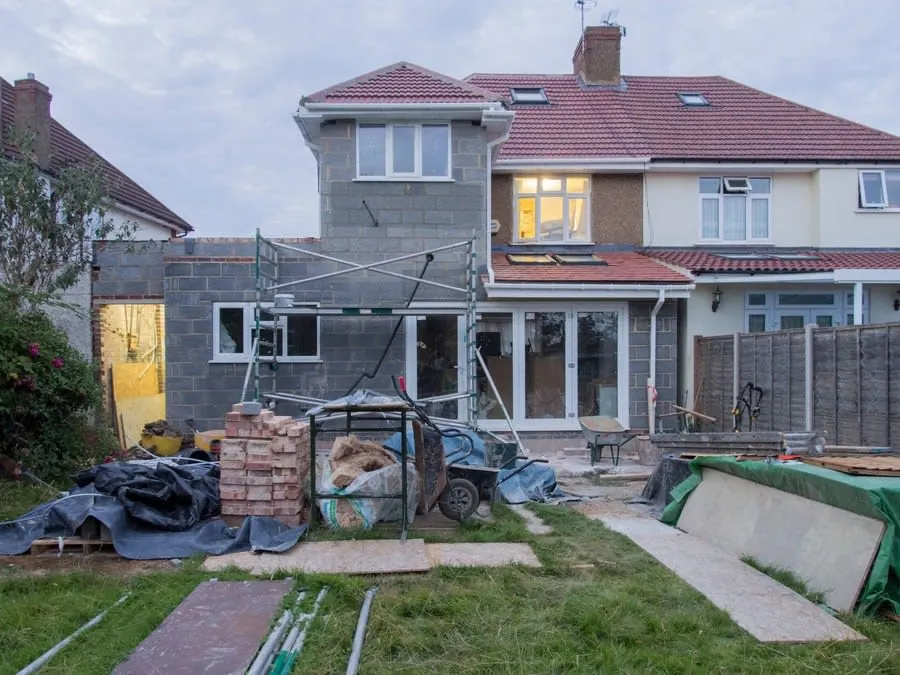
The modern systems do far better. GRP fibreglass lasts around 20 to 30 years, and a good EPDM rubber membrane can reach 30 to 50 years, which puts a quality flat roof much closer to a pitched one than people expect. The difference between a flat roof that lasts fifteen years and one that lasts forty is mostly the system chosen and the standard of the fit. If you’re planning or replacing one, our guide to choosing a flat roof for a Harrogate extension or garage walks through the options.
It’s the details that fail first, not the tiles
Here’s the point that changes how you should think about roof lifespan: a roof is a system, not just a covering, and the covering is usually the longest-lasting part of it. The lead flashings, the mortar bedding at the ridge and around the chimney, the timber battens the tiles hang on, and the underlay beneath all have their own, shorter lifespans.
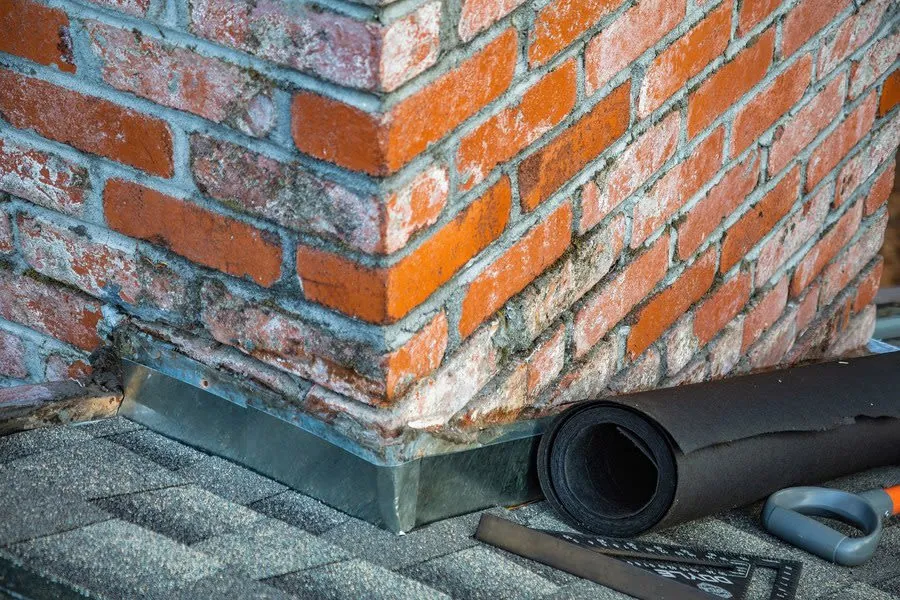
Lead flashing done well lasts decades but fails early if it was laid in over-long lengths, as our guide to lead flashing on Harrogate roofs explains. Mortar cracks and washes out. The old bitumen felt underlay used before breathable membranes came in eventually goes brittle. This is why a hundred-year-old slate roof has almost certainly had its flashings and mortar renewed several times - the slates carried on while the details around them were maintained. When you hear a roof “needs work”, it’s far more often these details than the tiles themselves.
How Harrogate’s climate shortens the numbers
Every lifespan figure above assumes an average setting, and Harrogate is not average. The town sits high on the edge of the Pennines, wetter and colder than the softer parts of Yorkshire, and it catches more wind, rain and frost. The Met Office’s regional climate data for northern and eastern England shows the kind of rainfall and low winter temperatures local roofs have to cope with year after year.
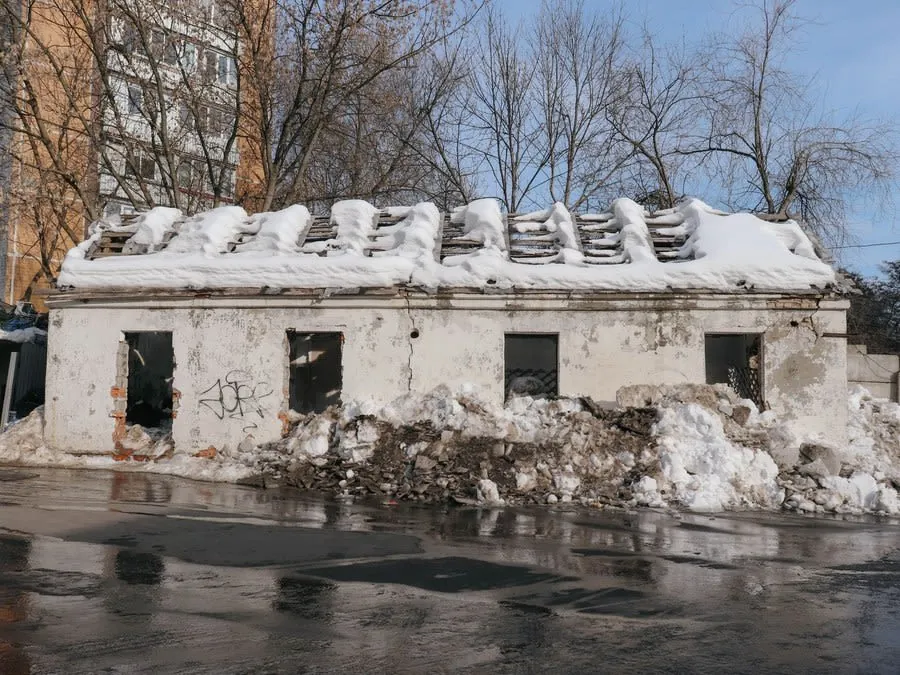
The big one is freeze-thaw. Water gets into small gaps, a mossy tile or a hairline crack, then freezes overnight, expands, and levers things apart - repeated every cold snap through the winter. Driving rain finds tired flashing and worn mortar faster here than in a sheltered spot. Damp, shaded roofs grow moss readily, which holds yet more water against the surface. The upshot is that a covering rated for, say, fifty years in a gentle climate may need attention sooner in Harrogate. We’ve written more on exactly how the town’s cold, wet winters shorten roof life if you want the detail.
How to get the most out of your roof
The gap between a roof that reaches the top of its lifespan and one that fails early is mostly maintenance. None of it is glamorous, but it works. Keep the gutters clear so water drains instead of backing up against the roof and walls. Deal with moss sensibly rather than letting it build. Get slipped tiles and tired flashings fixed promptly, before a small gap lets water into the timbers. And have the roof looked over every few years so problems are caught while they’re cheap.
Quality of installation matters just as much. A roof laid to proper standards by a competent roofer will often give a decade more service than a cut-price job, and bodies like the National Federation of Roofing Contractors exist partly to hold that standard. So the realistic lifespan of your roof isn’t a fixed number off a chart - it’s the material’s potential, minus what the Harrogate weather takes, plus what good maintenance gives back. Look after it and even a mid-range roof will serve you well; neglect it and the best slate in Yorkshire will still leak. If you’d like an honest assessment of how much life yours has left, our team can take a look.
Frequently Asked Questions
How long does a slate roof last in Harrogate?
A natural slate roof laid well can last 80 to 100 years or more, and plenty of Harrogate’s Victorian and Edwardian slate roofs are still going strong well past the century mark. The slate itself rarely wears out - what fails first is usually the nails holding it (nail sickness), the lead flashings, and the mortar. Those can be renewed, which is why a slate roof is repaired far more often than replaced.
Does a roof guarantee mean it will last that long?
No. A workmanship guarantee covers the installer’s labour for its stated term, often 10 to 25 years, and a material guarantee covers manufacturing defects. Neither is a promise the roof will reach the top of its theoretical lifespan - that depends on the quality of the fit, the exposure, and how well it’s maintained. Read what a guarantee actually covers rather than treating the headline number as the roof’s life expectancy.
How do I know my roof is coming to the end of its life?
The signs build up: repeated leaks in different spots, widespread slipped or cracked tiles, sagging in the roofline, daylight or damp in the loft, and granules or debris from concrete tiles collecting in the gutters. One or two slipped slates is a repair; a roof failing in several places at once, on a covering near its expected age, is usually telling you replacement is close. A survey settles it.
Is it worth repairing an old roof or replacing it?
If the covering has plenty of life left and the problem is localised - a slipped tile, a tired flashing, a cracked valley - repair is almost always the sensible choice. If the roof is near the end of its material lifespan and failing in multiple places, repeated repairs become throwing good money after bad, and a re-roof is more economical over time. The deciding factors are the roof’s age, the material, and how widespread the faults are.