31 August 2026
Does a New Roof Add Value to Your Harrogate Home? An Honest Answer
Somewhere in Harrogate this week, a homeowner is weighing up a five-figure quote and asking the only question that really matters: if I spend this, do I get it back? It is a fair question, and most of what gets written about it is sales copy dressed as advice. So here is the honest version, from a firm that quotes for this work every week. A new roof almost never adds its full cost to the price of a Harrogate house. What it does is stop money leaking out of the price in ways that are far less visible and often far larger, through surveys, renegotiations, mortgage conditions and buyers who simply move on to the next listing. Understanding the difference is worth more than any headline percentage.
Value added and value protected are different things
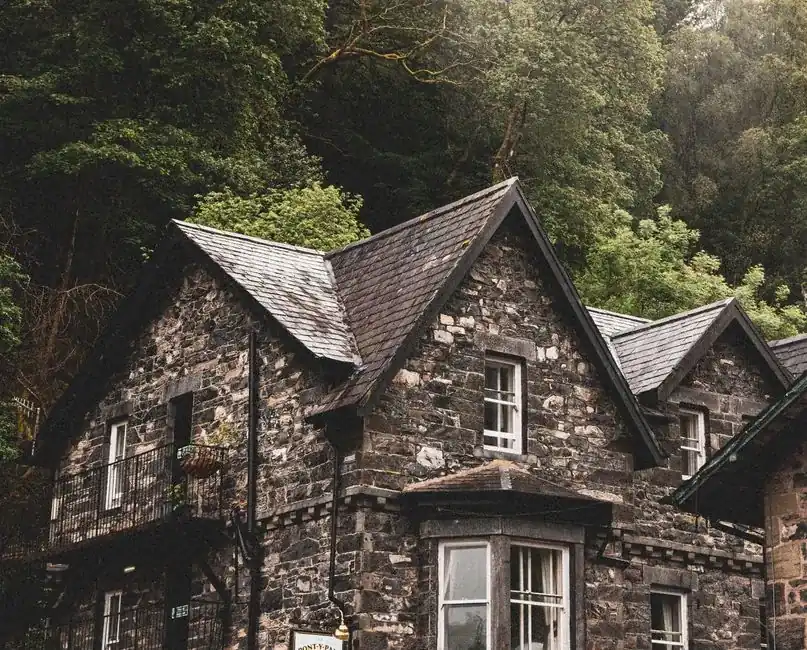
Estate agents talk about improvements in terms of uplift, and for kitchens and extensions that framing works. Roofs behave differently. A buyer walking into a house with a brand-new kitchen feels they are getting something extra. A buyer walking into a house with a brand-new roof feels they are getting what they assumed was there all along. Nobody pays a premium for a house being watertight, because watertight is the baseline.
That is why the arithmetic on a full roof replacement rarely balances as a pure investment. Most Harrogate re-roofs land somewhere between £4,500 and £15,000 depending on the size of the house and the covering, and you should not expect the sale price to rise by that amount the day the scaffold comes down.
Flip the house around, though, and the numbers change completely. A roof that is visibly failing does not knock its repair cost off the price. It knocks off the repair cost plus a margin for risk, hassle and the unknown, because the buyer prices in the worst case rather than the likely one. We have seen negotiations open with a figure nearly double what the actual work would cost. Spending £1,500 on honest repairs to protect £5,000 of price is a much better trade than spending £12,000 on a full replacement to chase £6,000 of uplift.
The survey is where your roof gets valued, not the listing
The place a roof genuinely moves money is not Rightmove. It is the survey that lands about three weeks after an offer is accepted.
Most buyers of older Harrogate housing commission a Level 2 or Level 3 survey through an RICS home survey, and those reports grade each element with a condition rating. A roof rated 3, meaning serious defects needing urgent attention, changes the temperature of a sale instantly. The buyer’s solicitor asks questions. The buyer’s parents get involved. Quotes are sought, usually from firms briefed to price generously, and the renegotiation starts from those numbers.
Here is the part sellers consistently underestimate: surveyors are cautious by profession, and they inspect from ground level or a ladder at eaves height. They cannot always tell a cosmetic issue from a structural one, so ambiguity gets written up as risk. A slipped slate that would cost a couple of hundred pounds to sort can generate a paragraph that reads like the roof is coming off. Getting minor defects fixed before the house is listed removes the ambiguity before anyone writes it down.
Mortgage lenders can turn a roof into a deadline
There is a harder version of the survey problem, and it involves the buyer’s bank rather than the buyer.

When a valuation or survey reports significant roof defects, some lenders respond with a retention, holding back part of the mortgage advance until the work is completed and re-inspected. Others make the offer conditional on repairs being done before completion. Either way, a private disagreement about an old roof becomes a formal obstacle with a bank attached, and banks do not negotiate the way buyers do.
For a seller this is the worst position to discover late. A chain is assembled, dates are pencilled in, and suddenly the transaction cannot move until roof work is scheduled, completed and signed off, in whatever window the chain allows, by whichever contractor can start soonest. Work done under that kind of time pressure is rarely done at the best price, and the seller usually ends up funding it anyway through a price reduction. Doing the same work six months earlier, unhurried and properly quoted, costs less and keeps the leverage on your side of the table.
Kerb appeal carries unusual weight on Harrogate streets
Harrogate sells itself on how it looks. The stone terraces off Cold Bath Road, the villas around the Stray, the long Victorian runs in the Avenues all trade on a streetscape where the roofline is doing a lot of quiet work.
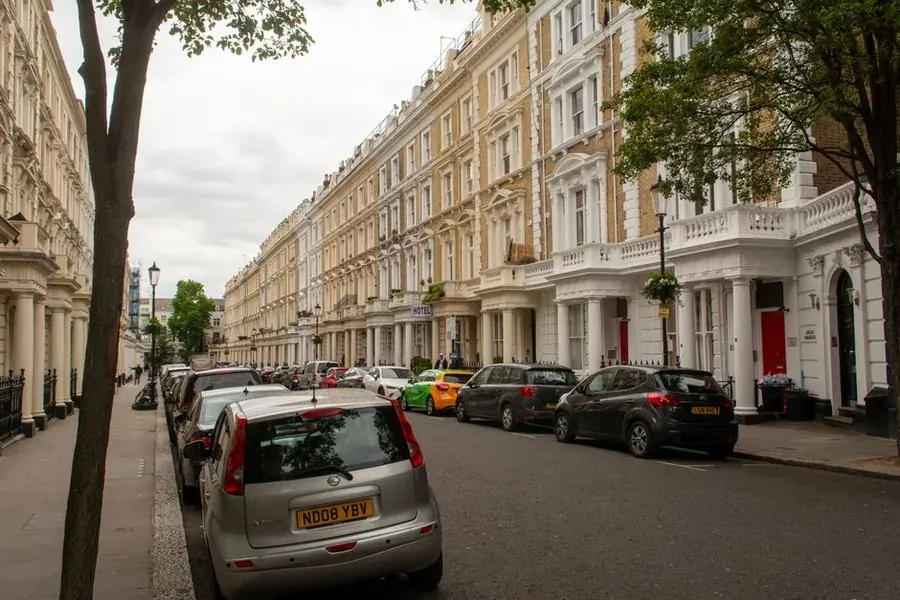
On streets like these, a roof is unusually visible in the first-impression sense. Buyers walk the street before they book a viewing, and they compare your slopes with your neighbours’ without even realising they are doing it. A slope patched with mismatched slates, a ridge smeared with heavy cement repairs, or a covering that has gone black with moss while the houses either side stay clean all read the same way: this house has been let go, and if the roof looks like that, what else has been skipped? It is not a rational calculation, but pricing rarely is.
The conservation area dimension cuts both ways. A sympathetic re-roof in natural slate on a period Harrogate house genuinely does add something, because buyers in those areas notice materials and know that a proper slate job is neither cheap nor easy to arrange. An unsympathetic one, concrete tiles dropped onto a Victorian terrace decades ago, quietly subtracts, and buyers have started asking whether putting it right will attract planning conditions.
The energy question buyers now ask
A roof covering barely registers on an energy assessment. What sits underneath it is another matter.
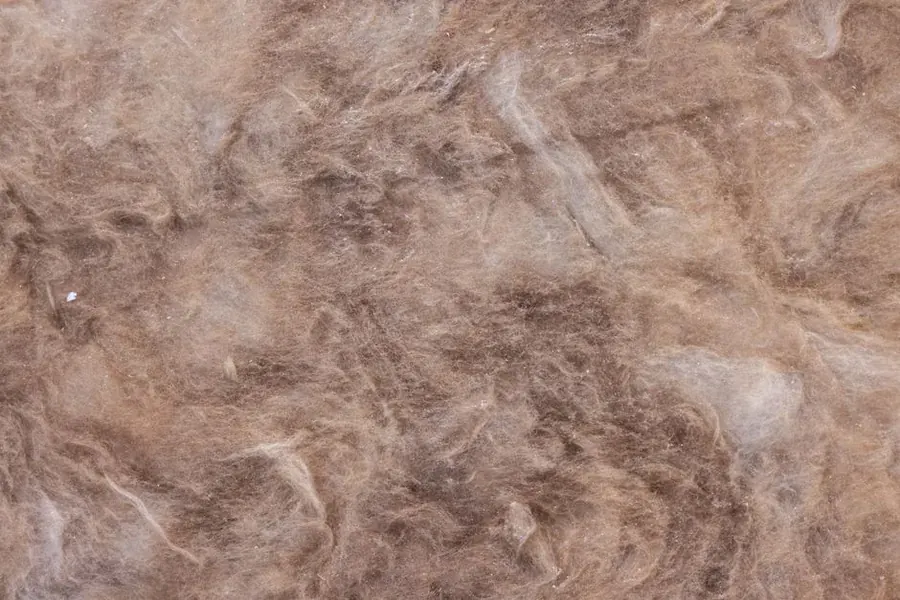
Every listing carries an EPC, and you can look up any Harrogate property’s current rating free on the government’s energy certificate register. Loft insulation is one of the items that moves the score, and a large share of Harrogate’s older housing is still sitting under a fraction of the recommended depth. When a roof is stripped for replacement, topping the insulation up is about as cheap as the job will ever be, and if more than half the roof is being re-covered the building regulations require the upgrade anyway.
This matters at sale time for a plainer reason than the certificate itself. Heating a draughty stone semi through a Harrogate winter is expensive, buyers know it, and the running-cost question now comes up at viewings in a way it did not a decade ago. A re-roof that came with a proper insulation upgrade gives the seller a concrete, documented answer.
When repair beats replacement for resale
None of this amounts to an argument for replacing a roof that does not need replacing. Value protection is about honesty, not maximalism.
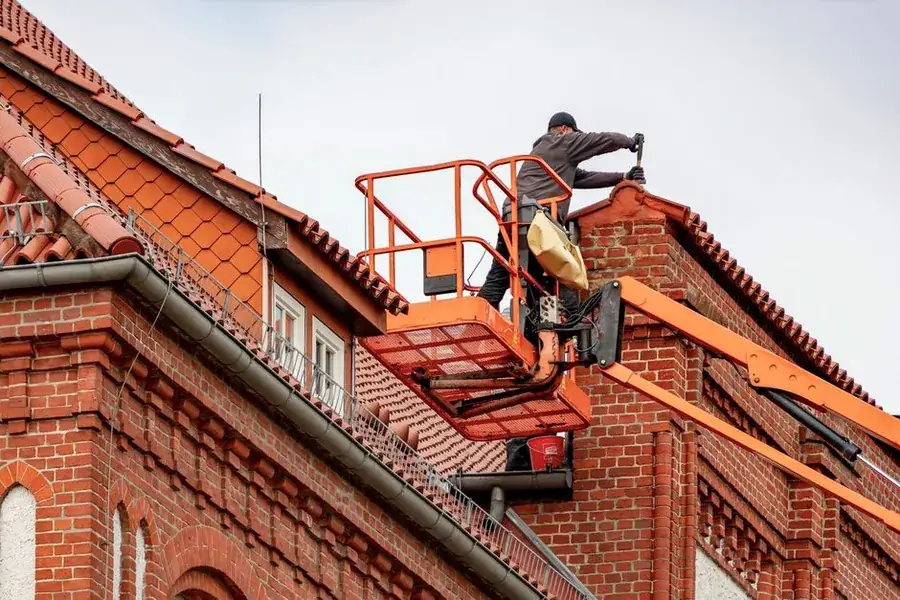
A roof with decades of life left but a handful of visible defects needs those defects fixed, nothing more. Re-bedding a ridge, replacing slipped slates with matching ones, renewing a worn flashing and clearing the moss changes how the house surveys and how it photographs, for a small fraction of replacement cost. Our guide to choosing between repair and replacement walks through where that line actually sits, and the short version is that age alone does not put a roof on the wrong side of it.
Based on the enquiries we handle across Harrogate, a clear majority of the people who contact us convinced they need a full replacement before selling turn out to need something considerably smaller. A roofer who tells you that is worth keeping hold of. One who quotes for a strip-and-recover on every tired roof is pricing their pipeline, not your house.
Paperwork is half the value
Whatever work you do, the documents that come out of it are worth almost as much at sale time as the work itself.

Conveyancing solicitors ask about roof work as a matter of routine, and the difference between a smooth answer and a fortnight of chasing is a thin folder: the invoice, the guarantee, and where the job crossed the threshold, the building regulations completion certificate. Our recent guide to building regulations on Harrogate roof work covers when that certificate is required and who issues it, and it is exactly the document a buyer’s solicitor will request for any substantial re-roof. Using a contractor registered with a government-endorsed scheme such as TrustMark also gives a future buyer something checkable rather than a name on an invoice.
So does a new roof add value to a Harrogate home? Occasionally, at the margins, on the right street with the right materials. What it reliably does is stop a sale losing value in the places sellers cannot see coming: the survey, the lender’s conditions, the renegotiation and the buyer who never books a viewing at all. Price the roof against those, not against the asking price, and the decision usually makes itself.
Frequently Asked Questions
How much value does a new roof add to a house in Harrogate?
Usually less than the roof costs, if you measure it as a straight price uplift. A buyer expects a house to have a working roof, so a new one mostly removes reasons to negotiate downwards rather than adding a premium. The real financial effect shows up in what does not happen: no survey downgrade, no renegotiation, no mortgage retention, and no buyer walking away. On a house with a visibly failing roof, sorting it before sale can protect considerably more than the job costs.
Should I replace my roof before selling my Harrogate house?
Only if the roof is genuinely at the end of its life or a survey is likely to flag it as urgent. If the roof is tired but sound, targeted repairs and a clean set of paperwork are normally the better-value route, because you will rarely recover the full cost of a replacement in the sale price. If slates are slipping, the felt has gone or there is visible daylight in the loft, a buyer’s surveyor will find it, and the negotiation that follows tends to cost more than fixing it on your own terms.
Will a bad roof stop me getting a mortgage on a Harrogate property?
It can. If a valuer or surveyor reports serious roof defects, the lender may impose a retention, holding back part of the loan until the work is done, or decline to lend until repairs are complete. That stalls the purchase for both sides. Sellers face the mirror image: a retention on your buyer’s mortgage becomes your problem, because the sale cannot complete as agreed until the roof question is resolved.
Does a new roof improve a Harrogate home’s EPC rating?
Not directly, but the insulation that goes in alongside it usually does. The roof covering itself barely features in an EPC assessment. Loft insulation does, and when a roof is stripped it is the cheapest moment there will ever be to bring the insulation up to current standards. On older Harrogate houses with thin or patchy loft insulation, that upgrade can move the rating, and buyers increasingly check the certificate before viewing.
Do buyers in Harrogate care what a roof looks like?
More than in most towns. A large part of Harrogate’s housing appeal is the look of its streets, from the stone terraces around the town centre to the Victorian villas off the Stray, and the roofline is a big part of that first impression. Mismatched patch repairs, cement-heavy ridge lines and moss-blackened slopes read as neglect from the kerb. On period streets where most roofs are in keeping, the odd one that is not stands out immediately.
Get an honest opinion on your Harrogate roof before you sell