15 July 2026
Choosing the Right Roofing Material for a Harrogate Home: Natural Slate, Yorkshire Stone Slate, Clay & More
Choosing a roof covering isn’t just about looks or budget. In Harrogate it’s tied up with the age of your home, whether you’re in a conservation area, and how a material stands up to a cold, wet, exposed climate on the edge of the Pennines. The choice also has a long tail: natural slate can last 80 to 150 years, clay tiles 60 to 100, while cheaper concrete tiles might need replacing in 40 to 50. Get it right and you may never re-roof the same house twice. Get it wrong and you pay for it, either in a shorter lifespan or in a conservation officer asking you to redo the job. This guide runs through the materials that actually suit Harrogate homes, what they cost, how long they last, and how to match one to your property.
Why the material matters more in Harrogate than in most towns
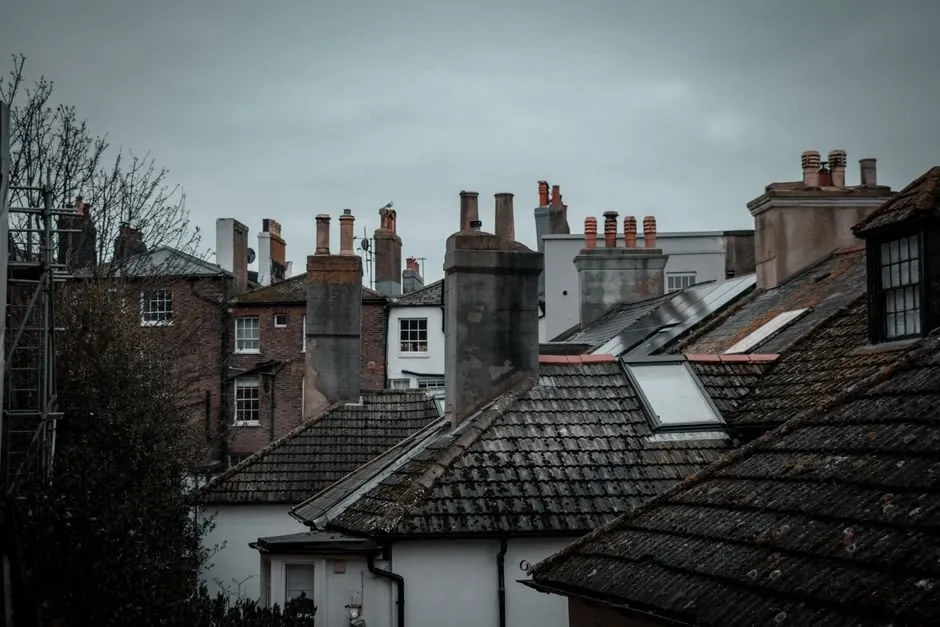
Two things make the decision less freeform here than it would be on a new-build estate. The first is heritage. Harrogate grew as a Victorian and Edwardian spa town, and much of its housing stock - the tall villas, the red-brick terraces, the stone-built properties in the older quarters - was designed with a particular roof in mind. Put the wrong covering on and it reads as off, even to people who couldn’t tell you why.
The second is the weather. Harrogate sits high and exposed, and its winters are long, damp and prone to frost. Water that soaks into a porous covering and then freezes will work a roof apart over time. That pushes the sensible choice towards dense, frost-resistant materials - which is a large part of why slate has been the local default for so long.
Natural slate: the Harrogate default
On the town’s period villas and terraces, natural slate is the material to beat. Welsh slate in particular has covered these roofs for well over a century, and a good one installed properly will outlast the mortgage several times over - 80 to 150 years is a realistic range.
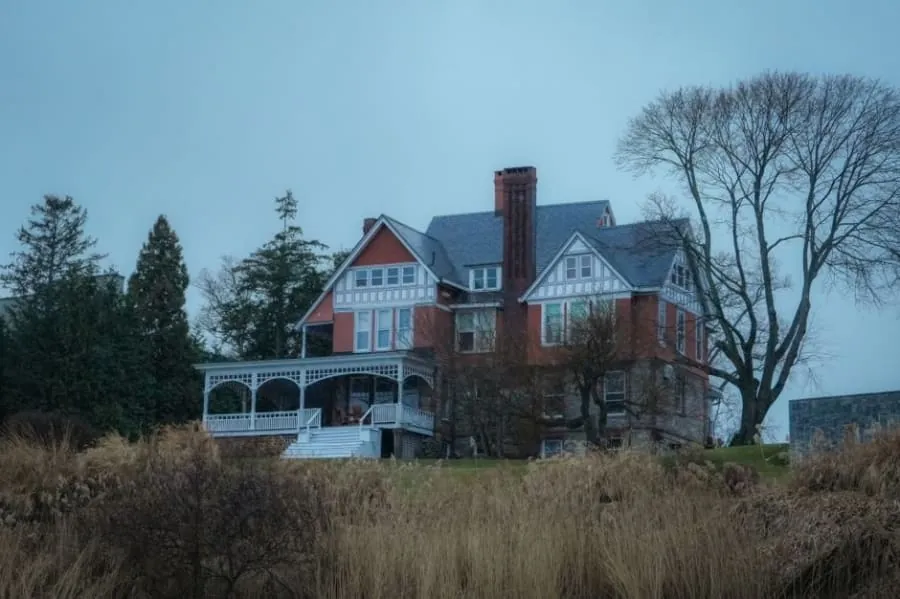
It isn’t cheap. Welsh slate typically runs somewhere around £140 to £250 per square metre installed, which puts it at the premium end. Spanish slate is a common way to get the slate look for less, often closer to £100 to £130 per square metre, though quality varies and it’s worth seeing samples. For a conservation area or a period home you want to keep authentic, natural slate is usually the right answer despite the cost, and our slate roof services page covers the options in more detail.
Yorkshire stone slate: heritage and the Dales look
Not every old roof around Harrogate is Welsh slate. On older stone-built properties, and across the villages heading into the Dales - Pateley Bridge, Masham and beyond - you’ll see traditional stone slate. These aren’t slate in the geological sense at all, but thick flags split from local millstone grit and sandstone, the same stone the walls are built from.
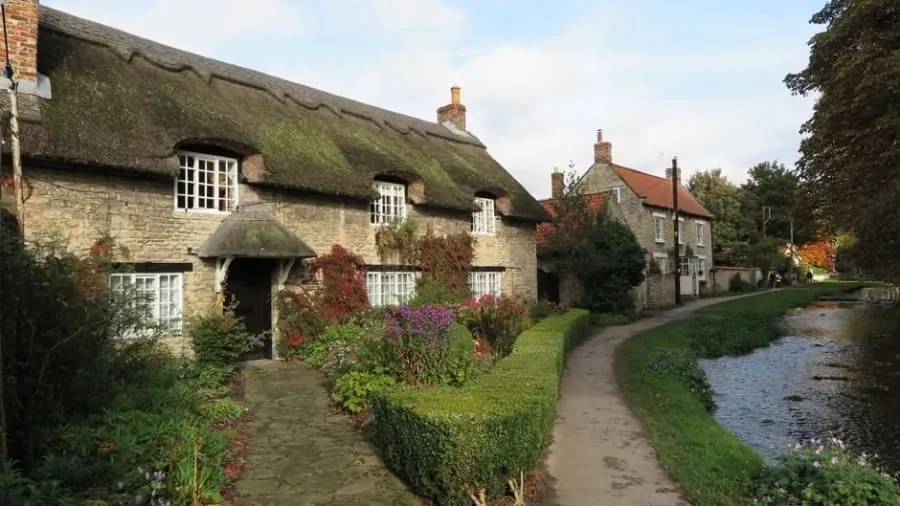
They’re heavy - much heavier than slate or tile - so the roof structure has to be built or checked to carry the load, and laying them in diminishing courses is a specialist skill. They’re also increasingly reclaimed rather than newly quarried. But on the right property they’re unmatched, and in a conservation setting they may be the only covering an officer will accept. This is not a job for a general roofer; it needs someone who has done stone slate before.
Clay tiles and pantiles
Clay is the other traditional option with real longevity, typically 60 to 100 years, and it costs less than slate - roughly £100 to £160 per square metre installed. Clay holds its colour because it’s fired rather than pigmented, so it ages far more gracefully than concrete.
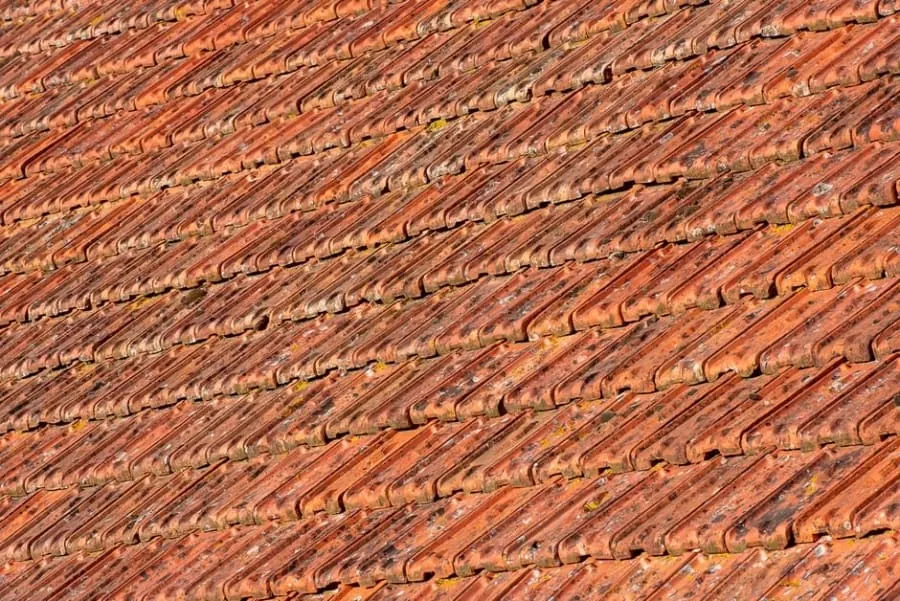
Plain clay tiles suit many Harrogate homes. Pantiles - the S-shaped, single-lap tiles you see across east Yorkshire - are more of a regional signature further towards the coast, but they turn up on some properties here too. If you’re on a home that already has clay, replacing like with like is usually both the compliant and the sensible choice.
Concrete tiles: cheaper, with trade-offs
Concrete tiles are the budget mainstream option, and on a modern house they’re perfectly reasonable. They’re the cheapest way to cover a large roof and they come in profiles that mimic slate or clay.
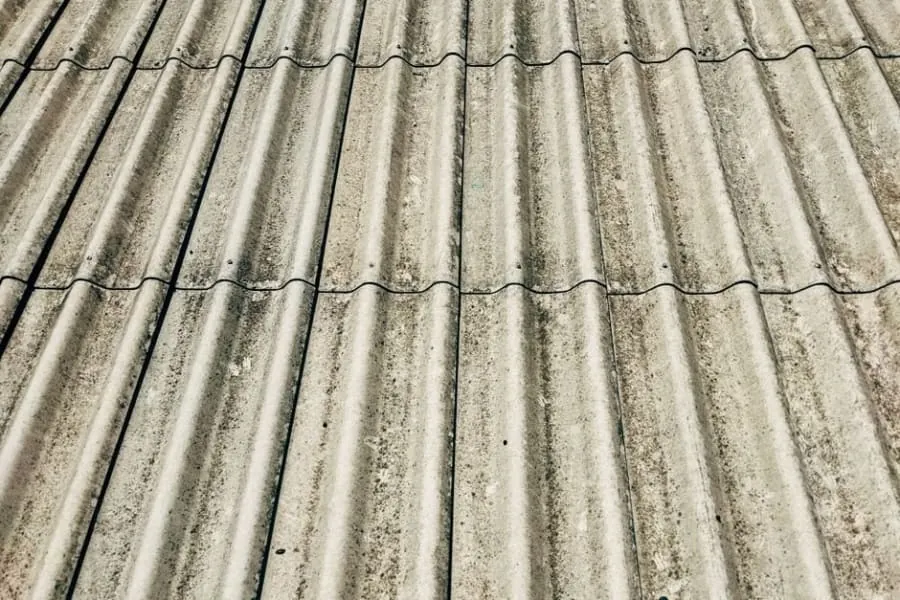
The trade-offs are real, though. They’re heavier than clay, their colour is a surface pigment that fades and can grow moss more readily, and they have a shorter life - often 40 to 50 years. On a period Harrogate home they usually look wrong, and in a conservation area they’re unlikely to get past an officer - the rules on re-roofing and permitted development are stricter once a property is protected. They earn their place on newer housing where budget is the priority, not on a Victorian roof.
It’s the fixings, not just the slate
Here’s the part homeowners rarely hear: a slate roof’s lifespan usually comes down to what holds the slates on, not the slate itself. Natural slate can last a century and a half. The nails or hooks fixing it often can’t.
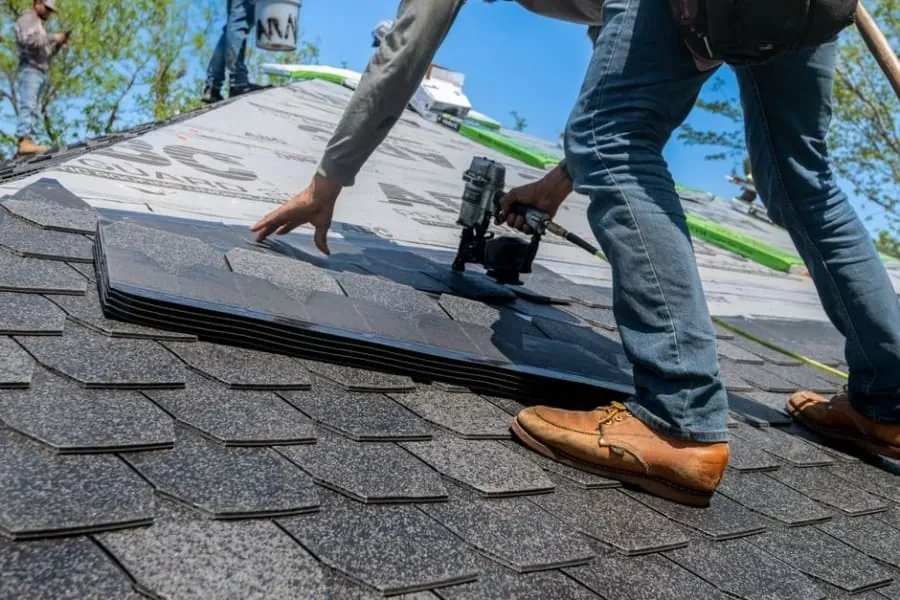
Cheap steel nails rust out and let slates slip long before the slate has aged. Copper or stainless steel fixings cost more up front and quietly add decades to the roof, because they outlast everything around them. When you’re comparing quotes, ask what the slates are being fixed with. A slate roof nailed on the cheap is a false economy, and it’s one of the most common reasons a “100-year” roof needs attention at 30.
Matching the material to your property and area
Pulling it together, the right material follows the house and its setting more than personal taste. A Victorian villa wants natural slate. An older stone cottage wants stone slate. A clay-tiled terrace wants clay. A modern semi has room for concrete if budget matters.
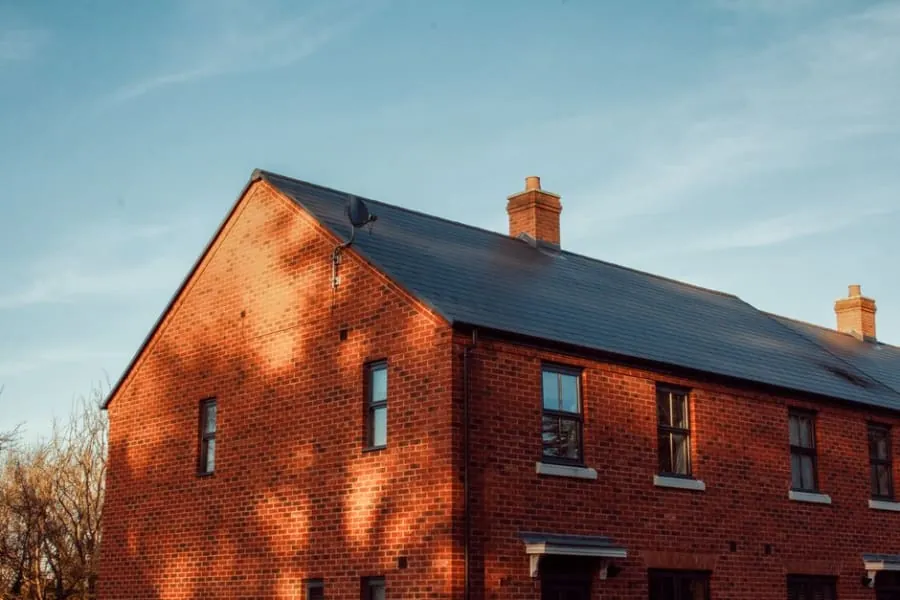
The overriding constraint is whether you’re in a protected area, because that can take the choice out of your hands. Before you settle on a material, it’s worth reading our guide to planning permission and conservation areas in Harrogate, and getting a qualified roofing contractor to survey what’s actually up there - the existing covering, the timber, and whether the structure suits what you have in mind. If you’re ready for a full re-roof, the roof replacement page explains how the job runs.
Frequently Asked Questions
What is the best roofing material for a house in Harrogate?
For period and conservation-area homes, natural slate is usually the best choice - it suits the architecture, resists frost, and lasts 80 to 150 years. Older stone properties often call for traditional stone slate, while clay tiles suit many homes at a lower cost than slate. Concrete tiles are best kept to modern housing.
How much does a new slate roof cost in Harrogate?
Natural Welsh slate typically costs around £140 to £250 per square metre installed, putting it at the premium end. Spanish slate is a cheaper alternative at roughly £100 to £130 per square metre. Clay tiles usually fall between £100 and £160 per square metre. The final figure depends on roof size, pitch, access and the fixings used.
Why is my slate roof failing if slate lasts so long?
Almost always because of the fixings, not the slate. Steel nails corrode and let slates slip decades before the slate itself wears out. A re-roof using copper or stainless steel fixings solves the underlying problem rather than just replacing the slipped slates.
Can I use concrete tiles on a period home in Harrogate?
You can technically, but it’s rarely a good idea, and in a conservation area it usually won’t be permitted. Concrete looks wrong on a Victorian or Edwardian roof, fades over time and has a shorter lifespan than clay or slate. Matching the original material protects both the look and the value of the property.