27 July 2026
What a Roof Problem on a Harrogate Home Survey Really Means (and What It Costs to Fix)
Few things stall a house sale faster than the words “roof” and “condition rating 3” in the same sentence. If you’re buying or selling in Harrogate and a survey has flagged the roof, the first question is always the same: is this a few hundred pounds or a few thousand? The honest answer depends on what the surveyor actually found, and survey reports are written to cover the surveyor rather than to reassure you. A slipped tile and a failed roof structure both get written up in careful, non-committal language. This guide translates what a roof finding on a RICS survey really means, what the common ones cost to put right, and how to use the information rather than panic over it - whether you’re the buyer trying to renegotiate or the seller trying to keep the sale together.
First, which survey are you actually reading?
Not all surveys look at the roof the same way, so it helps to know which one you’ve got. A RICS Level 1 (the basic Condition Report) is a light-touch overview, and typically starts around £300. A Level 2 (the Homebuyer Report) is the mid-range choice most people get on a standard house, usually £400 and up. A Level 3 (the full Building Survey) is the detailed one, from around £630, and it’s the one worth paying for on Harrogate’s older stone and slate houses.

Every Level 2 and Level 3 report checks the roof as standard - the covering, the structure, the chimneys, the flashings, the gutters and the roof space. What none of them include is a close-up inspection from a ladder or scaffold. Surveyors work from the ground and from the loft hatch, usually with binoculars. That matters, because it’s why so many roof findings end with a recommendation to “have a roofer investigate further” rather than a straight answer.
The traffic-light ratings, and what a 3 on the roof means
RICS reports score each part of the house with a condition rating from 1 to 3, and once you know the code the report stops being intimidating.
A rating of 1 (green) means the roof is in reasonable order for its age and only needs routine maintenance. A 2 (amber) means there are defects that need repair or replacement, but they’re not urgent - you should budget for them and get them done before they get worse. A 3 (red) is the serious one: defects that are urgent, could be a safety risk, or need a specialist to look at properly. A red rating on the roof isn’t automatically a disaster, but it is the surveyor telling you to get a proper roofer’s assessment before you commit.
What surveyors flag most often on Harrogate roofs
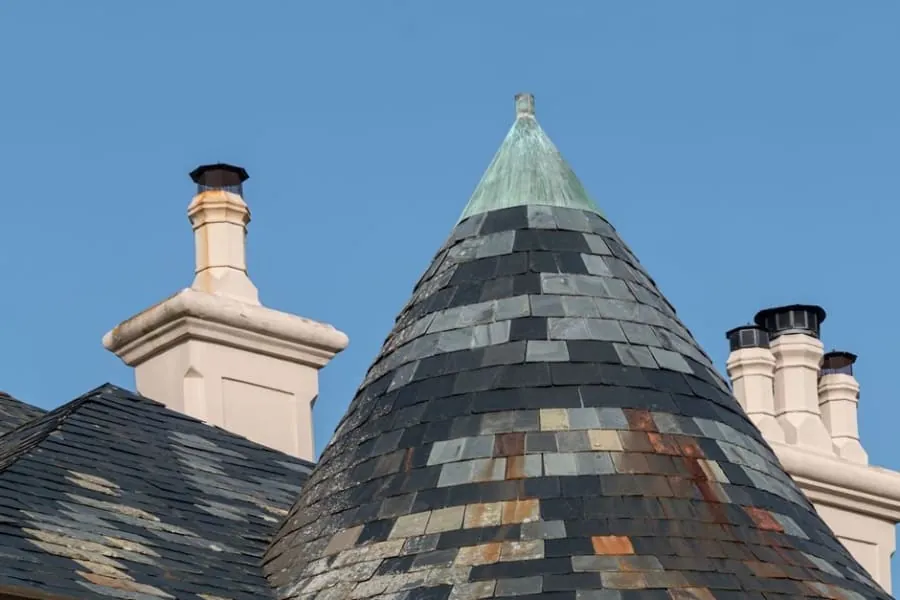
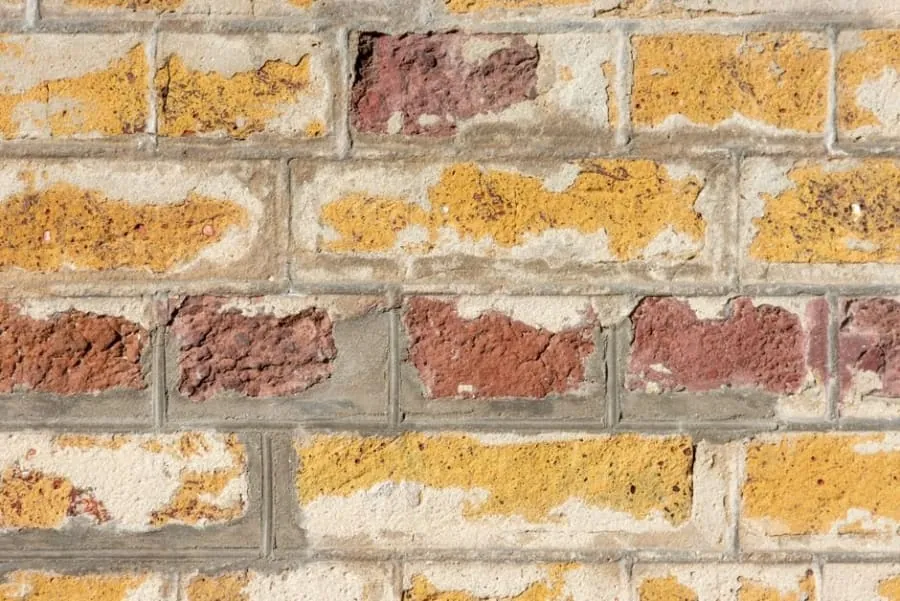
The town’s housing stock shapes what shows up. On the Victorian and Edwardian slate roofs that fill central Harrogate, the recurring findings are slipped or missing slates, and perished nail fixings letting slates creep - the classic sign of a roof heading towards a re-cover. Failed pointing and cracked flaunching on the tall period chimneys are almost a given on a house of a certain age.
Other regulars: worn or lifting flashings where the roof meets a chimney or wall, an aged covering that’s simply near the end of its life, and damp or daylight visible in the loft. On the exposed, higher parts of town, wind damage to ridge tiles turns up often. Most of these are amber findings - real, worth doing, but a long way from a crisis. The one to take seriously is any note about the roof structure itself, like sagging or spread in the timbers, which is where “further investigation” is genuinely warranted.
Amber or red: when to worry, when to just budget
Here’s the practical read. An amber roof rating is a to-do list, not an alarm. Slipped slates, tired pointing, a flashing that needs redressing - these are normal maintenance on a period Harrogate home, priced in the hundreds, and no reason to walk away from a house you like.
A red rating deserves a phone call before you do anything else. Sometimes red just reflects the surveyor’s caution - they couldn’t get close enough to be sure, so they flagged it to be safe. Other times it’s a genuine near-failure. The only way to know which is to get a roofer up there. That single distinction - cautious red versus genuine red - is worth more than the whole rest of the report, because it’s the difference between a £400 repair and a £9,000 re-roof.
What the common findings actually cost to fix
Numbers make it real. Roof repairs run from about £100 for a handful of slipped tiles up to £15,000 or more for a full replacement on a large house, and most survey findings sit a long way down that scale.
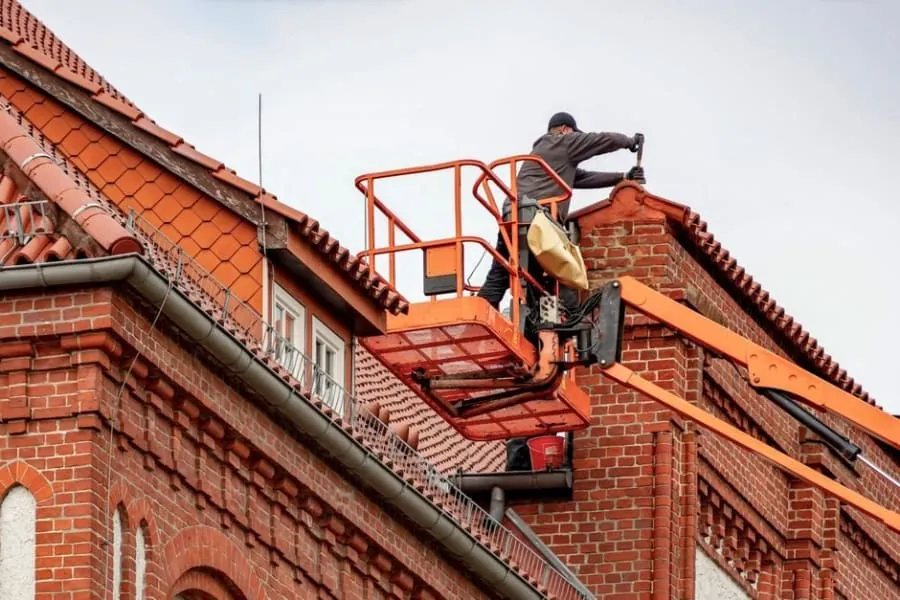
RICS reports themselves band repairs as low (under £1,000), medium (£1,000 to £5,000) or high. Refixing slipped slates, redressing a flashing or repointing a chimney usually lands in the low band. A partial re-cover, structural timber repairs, or a chimney rebuild move into the medium band. A full re-roof is the high-band job. The trap buyers fall into is assuming every red finding means a full re-roof, when the majority are low or medium fixes dressed up in serious language. For a fuller breakdown, our roof cost guide and repair-versus-replacement guide are worth a read.
Using a roof finding to renegotiate
If you’re buying, a roof finding is a bargaining chip, and used properly it’s a fair one. The move is not to wave the survey at the seller and demand money. It’s to get an independent quote from a local roofer for the actual work, then negotiate against a real number.
A written roofer’s quote does two things a survey can’t: it confirms whether a scary-sounding red is actually serious, and it gives you a figure to take off the price or to hold back as a retention until the work’s done. Sellers argue with vague survey language all day; they find it much harder to argue with a roofer’s itemised quote. Our roof repairs team provides written assessments for exactly this situation, and the RICS guide to home surveys is a good primer on how the reports are meant to be used.
Selling? Get ahead of the survey
If you’re the seller, the worst position is finding out about your roof from the buyer’s surveyor, because by then you’ve lost control of the number. A buyer’s surveyor will always err towards caution, and a cautious red can knock thousands off a deal or collapse it entirely.
The stronger play is to get your own roofer to look before you list, especially on an older Harrogate property. Small jobs - a few slates, some pointing - are cheap to fix in advance and remove the ammunition from a buyer’s survey. Bigger issues you can choose to fix or to price into the asking figure honestly, but either way you’re the one setting the terms. The HomeOwners Alliance survey guide is a useful overview of what buyers will be paying for and what they’ll see.
Frequently Asked Questions
Should I pull out of buying a Harrogate house if the survey flags the roof?
Rarely. Most roof findings are amber - slipped slates, worn pointing, tired flashings - which are routine maintenance on a period home and cost hundreds, not thousands. Even a red rating often reflects the surveyor’s caution rather than a failing roof. Get a local roofer to assess it and quote before making any decision; the quote tells you whether it’s a minor repair or a genuine reason to renegotiate.
What does a condition rating 3 on the roof mean?
A rating 3 (red) means the surveyor considers the defect urgent, potentially a safety issue, or in need of a specialist’s inspection. It does not automatically mean a new roof. Because surveyors inspect from the ground and the loft rather than up close, a red is often a “please check this properly” flag - a roofer’s inspection will confirm whether it’s serious or simply cautious.
How much do the roof problems on a survey usually cost to fix?
Most survey findings are low-cost (under £1,000) - refixing slipped slates, repointing a chimney or redressing a flashing. Medium jobs (£1,000 to £5,000) include partial re-covers and structural timber repairs. A full re-roof is the high-cost end, from several thousand up to £15,000 or more on a large house. The majority of findings sit at the cheaper end despite the serious wording.
Can I use the survey to reduce the price?
Yes, and it’s standard practice. Get a written quote from a local roofer for the specific work, then negotiate a price reduction or a retention against that figure. An itemised roofer’s quote is far more persuasive than the survey’s cautious language, and it protects you whether you want money off or the work done before completion.