
16 July 2026
Storm Damage Roof Insurance Claims in Harrogate: What's Covered and How to Claim
When a storm strips slates off your roof, two things happen at once: you need the leak sorted fast, and you need to know whether your insurer will pay for it. The two are connected, because how you handle the first 48 hours often decides whether the claim succeeds. Harrogate feels this more than most towns. Sitting high on the edge of the Pennines, it takes the brunt of the weather rolling in off the moors, and recent storms like Arwen and Babet did real damage to roofs across North Yorkshire. Most home insurance does cover storm damage, but the payout is far from automatic. There’s a wind-speed test, a wear-and-tear trap that catches a lot of people, and a clear right way to document a claim. Here’s how it actually works, and how to give yourself the best chance of being paid.
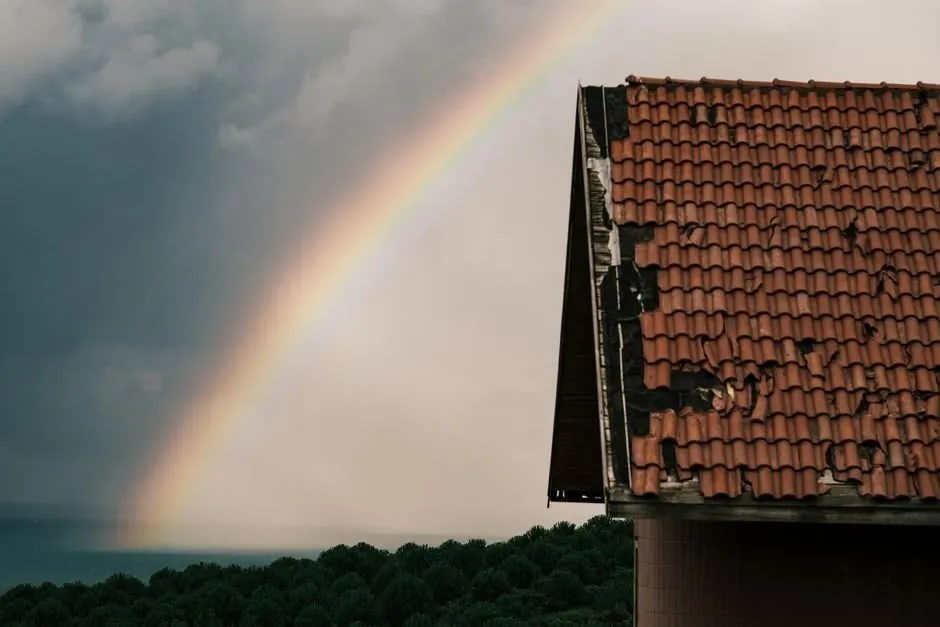
Does home insurance actually cover storm roof damage?
In most cases, yes. Buildings insurance normally includes storm cover, and that extends to the roof - lost or lifted tiles, water that gets in through the gap, and knock-on damage like guttering torn off by falling slates. Lightning strikes are covered too.
The important word is “normally”. Cover comes with conditions, and the biggest is that the roof has to have been in sound condition before the storm hit. Insurers pay for damage a storm caused. They don’t pay to replace a roof that was already failing and finally let go when the wind picked up. That distinction is where most disputed claims live, and it’s worth understanding before you pick up the phone.
The 55mph rule, and why it matters more in Harrogate
Most insurers only treat weather as a “storm” once wind speeds reach around 55mph - that’s force 9 on the Beaufort scale, a severe gale. Damage that happens in weather below that threshold may not be covered at all, on the basis that ordinary wind shouldn’t harm a well-maintained roof.
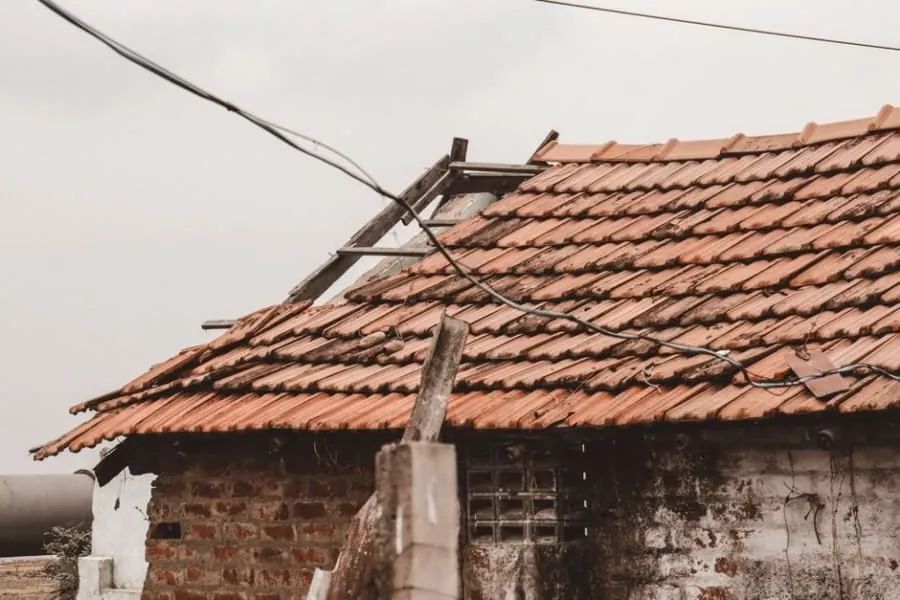
Harrogate’s exposure works both ways here. The town’s high, open position means it genuinely does get storm-force gusts more often than places tucked into a valley, so the threshold is met more regularly. But it also means insurers scrutinise roofs here, because they know the wind is a frequent visitor. The practical takeaway: if a storm hits, note the date and check the recorded wind speed. The Met Office publishes wind data and names major storms, and that record is exactly the kind of evidence an insurer will want to see.
The wear-and-tear trap that sinks claims
This is the one that catches people out. If your roof was already tired - loose mortar, slipped tiles nobody fixed, moss holding water against the felt - an insurer can argue the storm didn’t cause the damage, your neglect did. Under most policies you’re expected to keep the property maintained, and a claim can be refused if you haven’t.
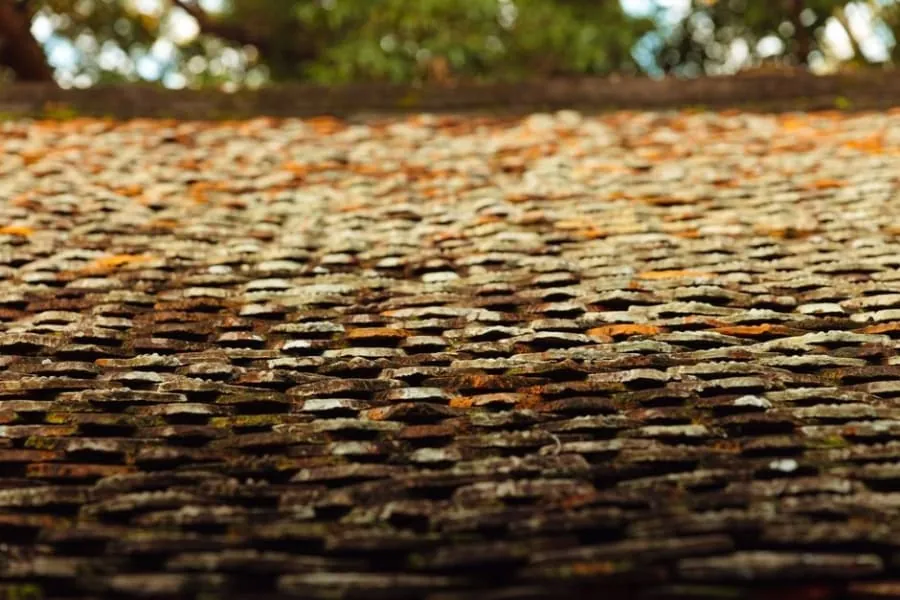
It sounds harsh, but there’s a sensible version of it. A sound roof shrugs off a gale. A roof with three slates already hanging loose loses ten in the same wind, and the insurer will say the first three were your responsibility. The lesson is that regular maintenance isn’t just about avoiding leaks - it protects your ability to claim when a genuine storm does hit. A roof that’s been looked after, ideally with a survey or two on record, is a roof an insurer finds much harder to argue with.
The first 48 hours: what to do, and what not to
Straight after a storm, safety comes first. Don’t climb onto a wet, damaged roof, and keep clear of anything that looks unstable or near power lines. Most of what helps your claim can be done from the ground or from an upstairs window.

Photograph everything before anything is touched or tidied - missing tiles, debris in the garden, water stains on ceilings, slates in the gutter. Then get temporary cover over any hole to stop water doing more damage inside, because insurers expect you to prevent a bad situation getting worse. A roofer can tarp or board a roof safely and give you a written note of what they’ve done. Keep receipts for any emergency work; those costs are usually recoverable as part of the claim.
How to make a storm damage claim, step by step
Insurers set time limits for reporting, so speed matters. Work through it in order:

- Notify your insurer as soon as you reasonably can, and check the reporting deadline in your policy.
- Submit your photos and videos of the damage, taken before repairs.
- Add the weather evidence - the date, and the recorded wind speed or named storm.
- Get a roofer’s assessment in writing (more on why below).
- Let the insurer’s surveyor inspect if they want to; keep your evidence handy for the visit.
- Keep every receipt for emergency and temporary work.
The insurer has to give you a decision, and if they’re dragging their feet they’re required to respond to a formal complaint within eight weeks.
Why a roofer’s report strengthens your claim
An insurer’s loss adjuster is looking for reasons the damage might be down to wear and tear rather than the storm. An independent report from a local roofer is your counterweight to that.

A good report states plainly what failed, why the storm was the cause, and what condition the surrounding roof is in. If a roofer can show the rest of the roof is sound and only the storm-hit section failed, that directly answers the wear-and-tear argument. It’s the difference between “some tiles came off” and “these tiles were torn from a sound roof by force-9 winds on this date”. If you need urgent repairs alongside the claim, our roof repairs service covers storm work, and it’s worth reading our guide on what to do first after emergency roof damage for the immediate steps.
What to do if your claim is refused
A rejection isn’t the end of it. Insurers sometimes decline first and reconsider when they’re given proper evidence, so a clear roofer’s report and the weather data can reopen a “no”.
If you still think the decision is wrong, you can make a formal complaint to the insurer, who then has eight weeks to resolve it. Beyond that, the Financial Ombudsman Service will review the case for free, and it has overturned plenty of storm-damage refusals where the homeowner could show the wind was the real cause. Don’t assume the first answer is final.
Frequently Asked Questions
Does home insurance cover storm damage to a roof in Harrogate?
Usually yes, provided the roof was in good condition before the storm. Buildings insurance normally covers storm damage to the roof, water that gets in as a result, and related damage such as guttering. Claims are commonly refused where the roof was already in poor repair, as insurers class that as wear and tear rather than storm damage.
What wind speed counts as a storm for an insurance claim?
Most UK insurers treat winds of around 55mph - force 9 on the Beaufort scale - as the threshold for a storm. Damage occurring in lighter winds may not be covered, on the basis that a well-maintained roof should withstand ordinary weather. Checking the recorded wind speed for the day, via the Met Office, helps support a claim.
Will my claim be refused if my roof was old?
Age alone doesn’t disqualify a claim, but condition does. If the roof was poorly maintained - slipped tiles, failed mortar, obvious neglect - an insurer can argue the damage was inevitable rather than storm-caused. A roof that’s been maintained and surveyed is far easier to claim on, even if it’s old.
Should I repair storm damage before the insurer inspects?
Do enough to stop further damage - temporary cover over a hole, for example - and keep the receipts, but photograph everything first and avoid full permanent repairs until the insurer has seen the damage or agreed the claim. Emergency work to prevent worsening is expected and usually recoverable.