10 August 2026
Roof Coatings and Spray-On Restoration in Harrogate: Are They Worth It?
Every few months a new leaflet lands on Harrogate doormats, or a van pulls up and someone offers to “restore” your roof for a fraction of the cost of replacing it. The pitch is always the same: a coloured coating sprayed over your tiles that seals the roof, kills the moss, and adds years of life. It sounds like a bargain next to a £6,000 re-roof. For most Harrogate homes, though, a sprayed coating sits somewhere between a waste of money and an active mistake - and the way it’s sold, often to older homeowners on the doorstep for anything up to £5,000, has put it firmly on the radar of trading standards teams across the country. This guide explains what roof coatings actually are, why they’re a poor fit for the town’s period roofs, when the technology genuinely does have a place, and what to do instead if your roof is looking tired.
What a roof coating actually is
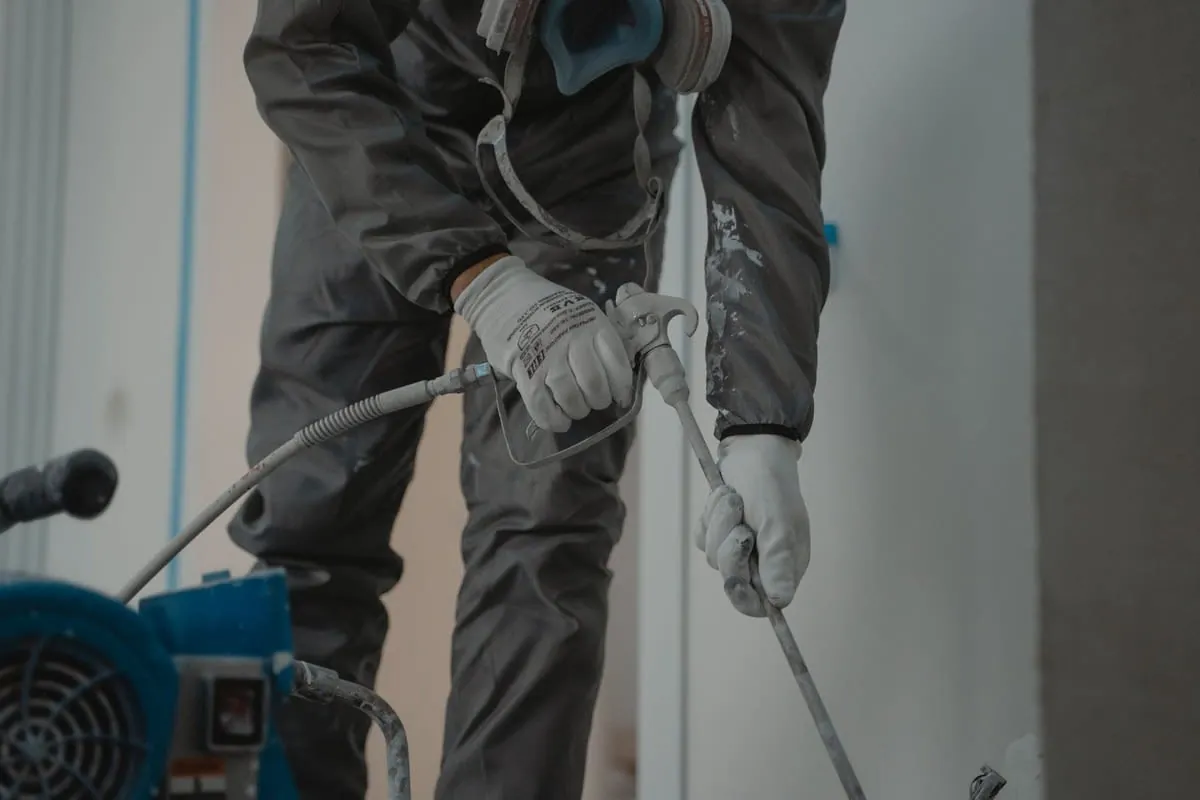
A roof coating is a liquid - usually an acrylic or polymer, paint-like product - sprayed or rolled onto the surface of your existing tiles or slates. On the flat-roof side it’s a related but different idea: liquid waterproofing systems painted onto felt or concrete. The doorstep version aimed at pitched tiled roofs is essentially coloured sealant applied over the top of the covering you already have.
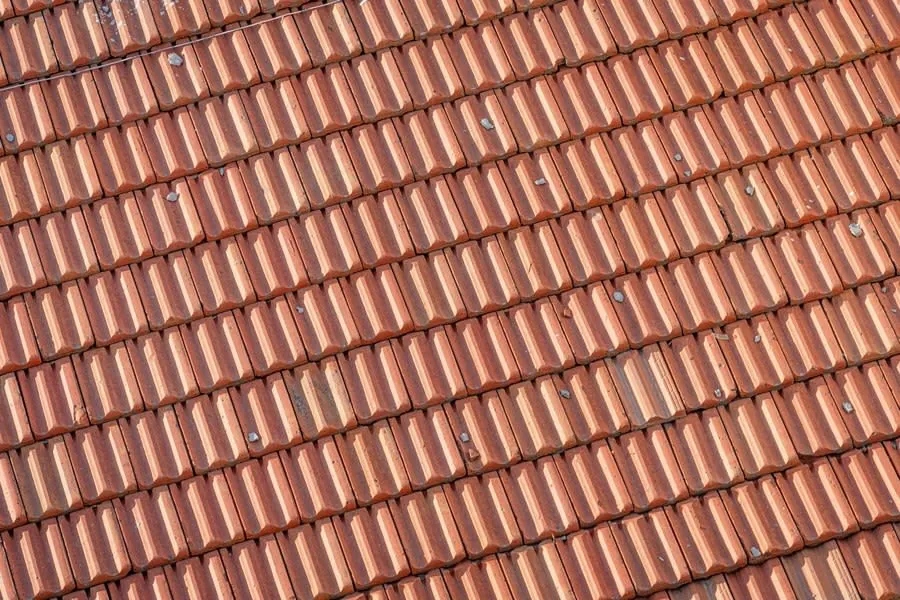
The sales promise is appealing. You’ll be told it seals gaps, makes the roof waterproof again, stops the moss coming back, and restores the colour so the house looks smart from the street. Some of that is cosmetic and short-lived; some of it is simply not how a pitched roof keeps water out. A tiled or slated roof doesn’t rely on a continuous waterproof skin on top - it sheds water down overlapping tiles, with a felt or membrane underneath as the real second line of defence. Painting the top doesn’t change how that system works, and often interferes with it. If your roof is genuinely letting water in, our roof repairs team can tell you where and why - which a coating never does.
The cold-call script Harrogate keeps hearing
Roof coating is one of the most persistently mis-sold home-improvement jobs in the UK, and Harrogate isn’t exempt. The approach follows a pattern worth recognising. A salesperson - often self-employed and paid on commission - knocks or cold-calls, sometimes claiming to be “working on a roof just down the road” or offering a free “survey”. They present themselves as a roofer or surveyor, find alarming-sounding problems, and push for a signature that day.

The prices are the giveaway. Trading standards teams have reported coatings sold for up to £5,000 - work that is unnecessary and vastly overpriced for what’s actually involved. The pressure to decide on the spot is deliberate, because a day’s thought and a second opinion usually kills the sale. You have rights here, too: if you agree to work at your doorstep or after a home visit, you generally get a 14-day cooling-off period to cancel, as Citizens Advice explains for building and decorating work. The safest response to any doorstep roofing pitch is not to engage, and to arrange your own inspection instead.
Why coating a period roof can do more harm than good
Here’s the technical problem, and it matters more in Harrogate than in a town of modern houses. The town is full of Victorian and Edwardian properties with natural slate and clay tile roofs, and those materials need to breathe. Moisture moves through an old roof and dries out naturally. Seal the outside with an impermeable coating and you can trap that moisture underneath, against the tiles and the timber.
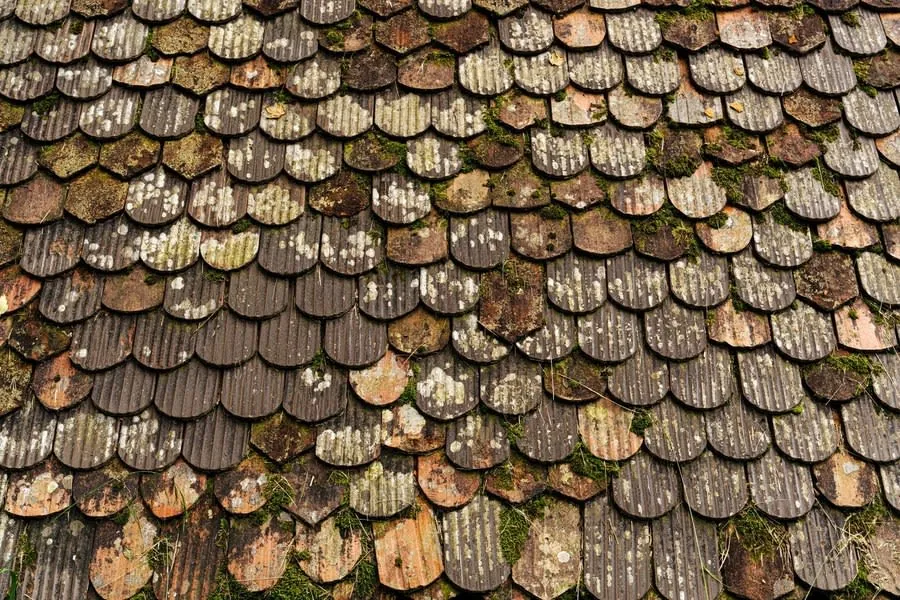
Trapped moisture is exactly what you don’t want in a cold, wet climate like this one. On older Harrogate roofs it can accelerate frost damage, keep battens and rafters damp, and cause the very deterioration the coating was supposed to prevent. There’s a second problem: coating hides the roof. A tired but sound slate roof can be read and repaired by a roofer; a painted one has its faults sealed out of sight, so a slipped or cracked tile underneath keeps letting water in while looking fine from the ground. On a period roof, a coating frequently trades a cosmetic improvement for a hidden, worsening problem.
Coating won’t fix moss, and it won’t fix the cause
Moss is the hook in most coating sales, because nearly every roof in Harrogate has some. The town’s cool, damp climate and the number of tree-lined, north-facing streets mean moss grows here readily, and a green roof looks neglected. A coating that promises to kill the moss and keep it off sounds like the answer.
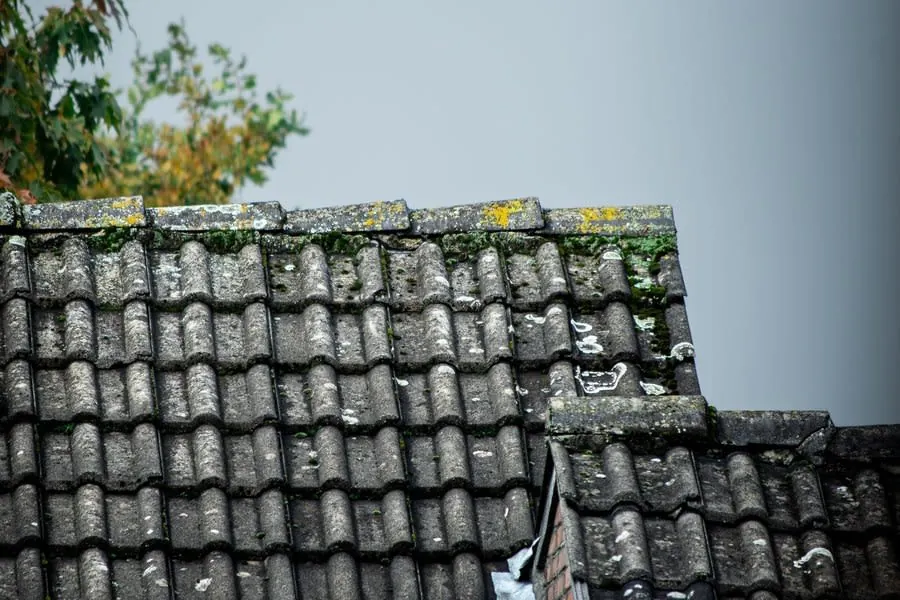
It isn’t a lasting one. The moss grows because of the conditions - shade, damp, the local climate - and those don’t change when you paint the tiles. Coatings that include a biocide suppress growth for a while, but it returns, which is why these treatments need re-applying every few years, a recurring cost that’s rarely mentioned on the doorstep. Moss can be cleaned properly without coating the whole roof, and the cause managed sensibly; we’ve set out the right approach in our guide to moss on Harrogate roofs. Spraying a colour over the top treats the symptom, expensively, and leaves the cause exactly where it was.
When a coating is actually legitimate
None of this means every roof coating is a con. The honest uses are specific. On flat roofs, liquid waterproofing systems - properly specified and applied by a roofer - are a genuine, well-established way to seal or refurbish a felt, GRP or concrete flat roof. That’s a different product and a different job from spraying paint over pitched tiles.
There are also situations where a modern concrete-tile roof, sound but faded, is coated as a considered cosmetic choice by the owner - not sold in a panic on the doorstep. The distinction is who’s driving it and why. A coating chosen calmly, on the right roof, by an informed homeowner using a competent contractor is one thing. A coating sold under pressure as a cheaper alternative to repairs on a period slate roof is another, and it’s the second that causes the trouble. If in doubt, a member of the National Federation of Roofing Contractors will give you a straight answer on whether a coating suits your roof at all.
What it costs, and what it does to a sale
The money rarely makes sense. Doorstep coatings are commonly sold in the low thousands - often £2,000 to £5,000 - for a job whose real materials-and-labour value is a fraction of that. For similar money, or less, you could have the actual faults on your roof repaired and the moss cleaned, and be left with a roof a surveyor can read.
That last point matters when you sell. A coated roof can be a red flag on a homebuyer’s survey precisely because it hides the covering’s condition - a surveyor may note it as a concern and recommend further investigation, which can unsettle a buyer or affect a mortgage valuation. Rather than adding value, a sprayed roof can raise questions. Using a properly vetted, registered contractor - you can check for firms signed up to a government-endorsed scheme like TrustMark - protects both your roof and your resale position far better than a doorstep coating ever will.
What to do instead
If your roof looks tired, the sensible order is simple. Get an independent inspection from an established local roofer, not a doorstep caller, so you know the actual condition. Have any genuine faults repaired: slipped or cracked tiles, tired flashing, blocked valleys. Have heavy moss cleaned properly if it’s a problem. And keep the gutters clear and the roof maintained, which does far more for its lifespan than any coating.
Do that and most Harrogate roofs have decades left without ever needing a sprayed-on “restoration”. If someone knocks offering to coat your roof, the best move is to thank them, close the door, and book your own inspection with a firm you chose. Our team is happy to take a look and tell you honestly what - if anything - your roof actually needs.
Frequently Asked Questions
Do roof coatings actually work on a tiled roof?
Not in the way they’re usually sold. A pitched tiled or slated roof keeps water out by shedding it down overlapping tiles, with a membrane beneath as backup - not by having a waterproof skin painted on top. A coating is largely cosmetic, it can trap moisture in an older roof, and it hides faults rather than fixing them. Genuine repairs do far more than a sprayed coating.
Someone knocked offering to spray my roof - should I?
Treat any doorstep roofing offer with caution. Roof coatings are among the most mis-sold home-improvement jobs, often pushed to older homeowners for up to £5,000 under pressure to sign the same day. Don’t agree on the spot. If you already have, remember you usually have a 14-day right to cancel work arranged at home. Arrange your own inspection with an established local roofer instead.
Will a roof coating stop moss coming back in Harrogate?
Only temporarily. Moss grows because of Harrogate’s damp, cool climate and shaded, north-facing roofs, and painting the tiles doesn’t change those conditions. Biocide coatings suppress moss for a while, but it returns, so the treatment needs re-applying every few years. Cleaning the moss properly and managing the cause is a better and cheaper long-term approach.
Can a coated roof affect selling my house?
It can. Because a coating hides the true condition of the roof covering, a surveyor may flag it on a homebuyer’s report and recommend further checks, which can concern a buyer or affect a mortgage valuation. Rather than adding value, a sprayed roof can raise questions. A sound, well-maintained roof that a surveyor can read is a stronger position when you sell.