
14 August 2026
Bats and Nesting Birds in Your Harrogate Roof: The Law Before You Re-Roof
Most Harrogate roof jobs are straightforward. But there’s a legal side that catches homeowners out, and it has nothing to do with planning or building control - it’s wildlife. The town’s older houses, with their traditional slate roofs, deep eaves and roof voids, are exactly the sort of buildings that bats roost in and birds nest in. And both are protected by law. Bats and their roosts are protected all year round, even when no bats are present, and an active bird’s nest can’t legally be destroyed while it’s in use. Start stripping a roof at the wrong time, or ignore the signs, and an ordinary re-roof can become a criminal offence carrying fines running into thousands. This guide explains what the law actually requires before roof work on a Harrogate home, and how to get it right without drama.
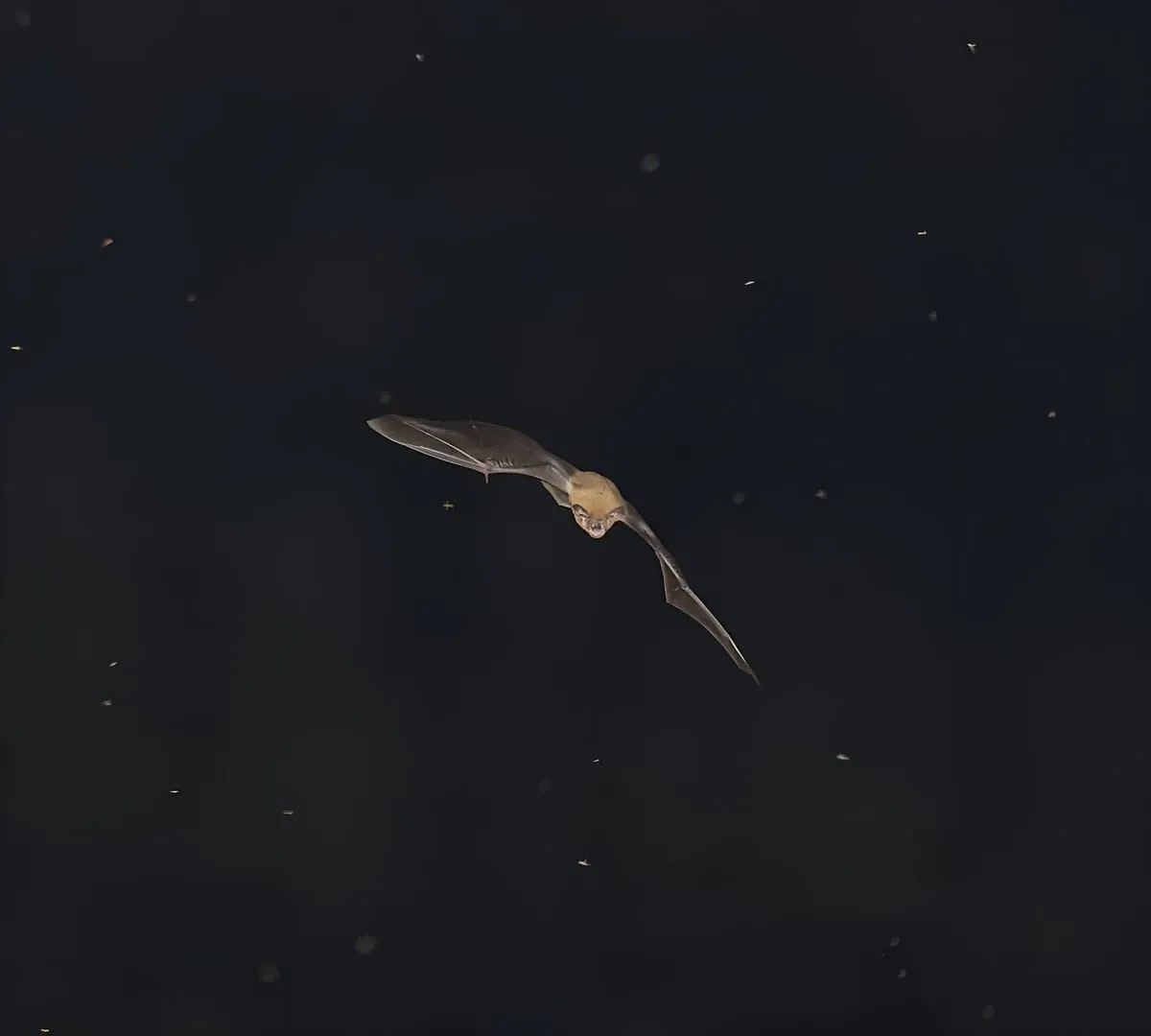
Why bats and birds end up in Harrogate roofs
Harrogate’s building stock is unusually attractive to roosting bats and nesting birds. The town is full of Victorian and Edwardian houses with natural slate roofs, gaps under ridge tiles and at the eaves, and warm, undisturbed loft spaces - the exact conditions bats look for in a roost and birds look for in a nest site. Add the leafy, green setting, with the Stray, the Valley Gardens and mature trees threaded through the streets, and you have a lot of wildlife living alongside the housing.
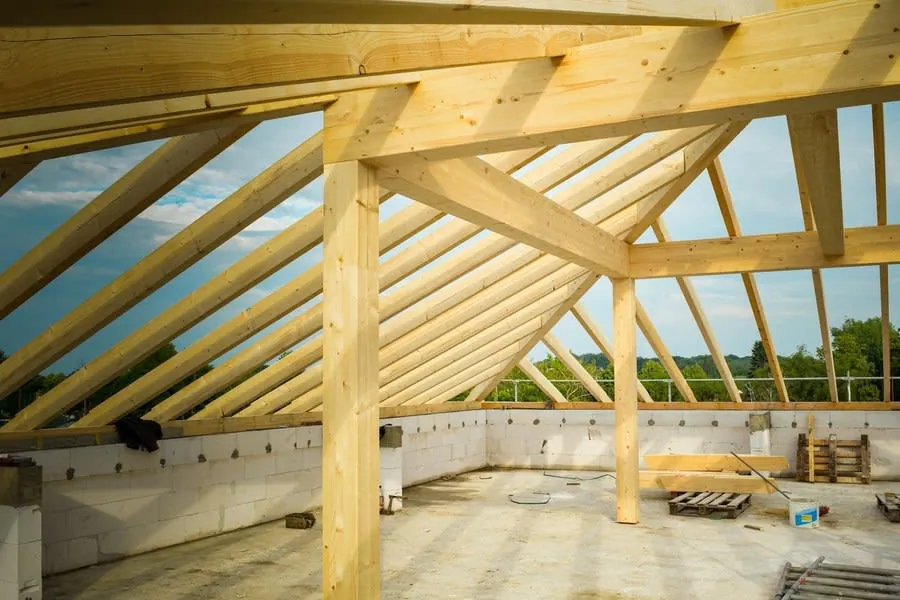
That’s not a problem in itself - most people never notice the bats above them, and they cause no damage. It only becomes an issue when roof work is planned, because that’s when a protected roost or nest suddenly sits right in the path of the job. The point of this article isn’t to alarm you; it’s to make sure a routine repair or roof replacement doesn’t accidentally break the law. A little checking up front is all it usually takes.
Bats: protected all year, even when they’re not there
This is the rule that surprises people. All UK bats and their roosts are protected under the Wildlife and Countryside Act 1981 and the Conservation of Habitats and Species Regulations 2017. It’s an offence to deliberately kill, injure, capture or disturb a bat, and to damage or destroy a roost. The part that catches roofers and homeowners out is that the roost is protected whether or not bats are in it at the time.
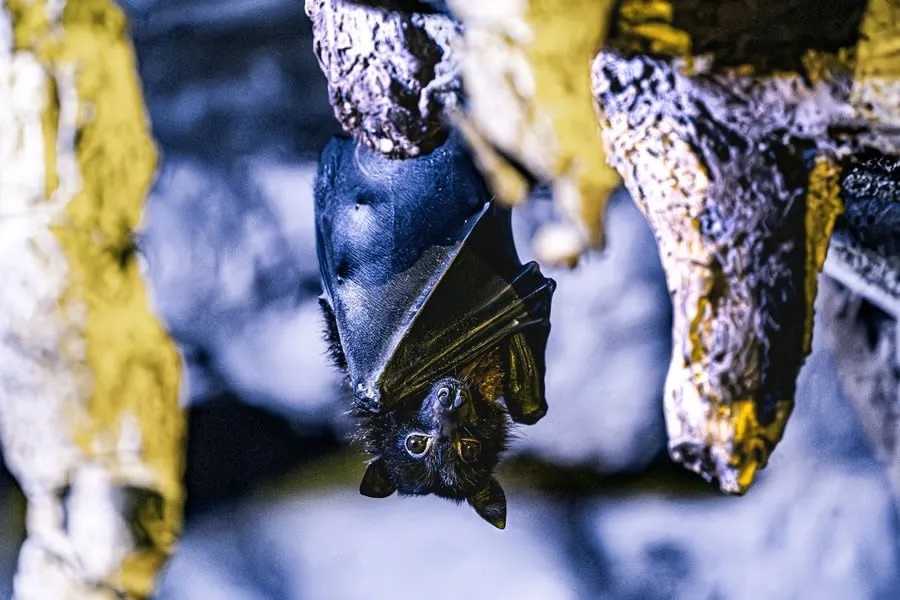
In plain terms, a roof space that bats used last summer is still a legally protected roost in the middle of winter when it’s empty. So “there are no bats up there right now” is not a defence if the space is a known roost. The penalties are serious, potentially running to thousands of pounds, and they can apply even where the damage was accidental. The Government’s guidance on bats: protection, surveys and licences sets out the legal position, and it’s why you can’t simply assume a clear-looking loft means you’re free to start ripping the roof off.
The signs, and when to get a survey
You don’t need to be an expert to spot the common signs of bats. The clearest is droppings - small, dark, crumbly droppings on the loft floor, on windowsills below the eaves, or on walls beneath a gap in the roof. You might also see bats emerging at dusk from under the eaves or ridge on a summer evening, or find staining around a gap where they get in.

If you see any of that, or your house is the older, traditional sort where bats are likely, get advice before major roof work rather than after. For significant jobs a survey by a qualified ecologist may be needed to establish whether bats are present and what has to happen. The Bat Conservation Trust’s advice for anyone working on a building with bats is the place to start, and its National Bat Helpline gives free guidance for homes. Checking early is far cheaper and less stressful than discovering a roost halfway through the job and having to stop.
Nesting birds and the roof
Birds are the other protected group, and they’re far more common in Harrogate roofs than bats. House sparrows, starlings and swifts all nest in the gaps under eaves, behind fascias and in roof voids, and swifts in particular return to the same nest sites year after year. Under the Wildlife and Countryside Act 1981 it’s an offence to intentionally damage or destroy the nest of any wild bird while it’s being built or in use.
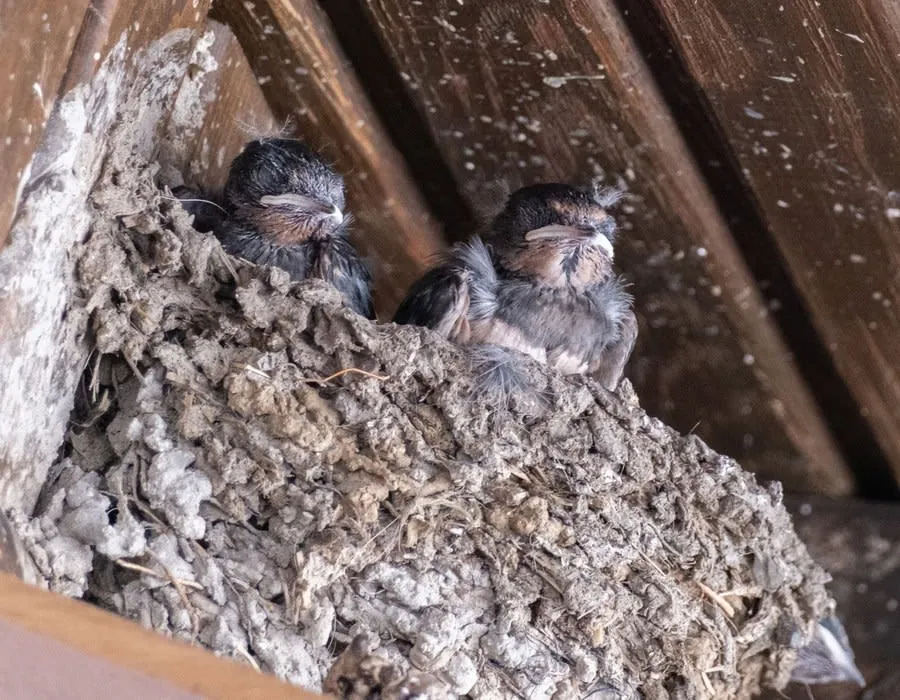
The practical effect is timing. The main nesting season runs roughly from March to August, and if there’s an active nest in the part of the roof you’re working on, you generally have to leave it until the young have fledged and the nest is no longer in use before you can carry on. The RSPB’s guidance on birds nesting in your roof or eaves explains the position. It’s not about abandoning the work - it’s about planning it so you’re not destroying an active nest, which is both illegal and, for swifts especially, damaging to a declining species.
Timing roof work around wildlife
Put the two together and timing becomes the simplest way to stay legal and avoid delay. Because birds nest mainly in spring and summer, scheduling roof work for outside that main season - into autumn, for instance - lowers the chance of running into an active nest. For bats, work is often advised in spring or autumn, when they’re least likely to be present or at their most vulnerable, though this depends entirely on the species and the situation.
There’s no single date that works for every property, which is exactly why an early look matters. Planning a re-roof in good time - rather than as an emergency - gives you room to check for bats and birds, take advice if needed, and pick a window that suits both the building and the wildlife. It also fits with getting the job specified properly, which we cover in our guide to what a roof survey and inspection involves. A good roofer will flag the wildlife question as a matter of course.
Getting it right on a Harrogate re-roof
None of this should put you off necessary roof work - it just means checking two things before the tiles come off. Look for signs of bats and get advice if there’s any doubt, because the roost is protected even when empty. And avoid destroying an active bird’s nest, which usually comes down to timing the work around the nesting season.
Do that and a Harrogate re-roof stays firmly on the right side of the law. Ignore it and a routine job can turn into a stopped site, a criminal offence, or a fine that dwarfs the cost of a survey. If your property is older, leafy-set, or shows any sign of bats or nesting birds, talk to us before you book the work - we’ll help you check what’s up there and plan the job so it’s done legally, safely and at the right time of year.
Frequently Asked Questions
Are bats really protected if they’re in my roof?
Yes. All UK bat species and their roosts are protected by law under the Wildlife and Countryside Act 1981 and the Conservation of Habitats and Species Regulations 2017. It’s an offence to kill, injure or disturb bats or to damage or destroy a roost - and crucially, the roost stays protected even when the bats aren’t there. An empty roof space that bats used last summer is still a protected roost in winter.
Do I need a bat survey before re-roofing my Harrogate home?
If there’s any sign of bats, or a reasonable likelihood they’re present, you should get advice before major roof work, and a survey by a qualified ecologist may be needed. Older properties, loft conversions and full re-roofs are the situations where it matters most. Contacting the National Bat Helpline early is a sensible first step - it’s free advice for homes and can save costly delays later.
What happens if I disturb a bat roost or an active nest?
Disturbing bats or damaging a roost, even accidentally, is a criminal offence and can carry heavy penalties - potentially thousands of pounds. Destroying an active bird’s nest during the works is also an offence. The safest approach is to check for both before work starts, plan the timing around them, and take advice so the job proceeds legally rather than being halted mid-way.
When is it safe to do roof work around birds and bats?
Birds nest mainly from around March to August, so timing roof work outside that main nesting season reduces the risk of hitting an active nest. For bats, work is often advised in spring or autumn, when they’re least likely to be present or vulnerable. The exact timing depends on your property and what’s found, which is why an early check and, where needed, professional advice is the right starting point.